• Bhubaneswar India
  • Contact+ 91-9938772605
  • Mon - Sat : 10:00AM - 6:00PM

Archive: February 28, 2026

US trade deal won’t affect India’s defence ties with Russia, says Defence Secretary Rajesh Kumar Singh

 India’s defence engagement with Russia will continue unaffected by the US trade deal, Defence Secretary Rajesh Kumar Singh said, underlining that New Delhi will maintain a diversified procurement strategy while accelerating indigenisation.

“The US trade deal doesn’t impede our defence engagement with Russia,” Singh said at News18 Rising Bharat 2026

He added that India will continue sourcing military equipment based on operational requirements. “We continue to procure from Russians and will continue to do so from the French, Americans — what is required,” he said.

Singh’s remarks signal continuity in India’s multi-aligned defence procurement approach, even as strategic and trade ties with Washington deepen.

At the same time, he stressed that boosting domestic manufacturing remains a priority

We would want to double down on indigenisation,” Singh said, reiterating the government’s focus on strengthening local defence production capacity.

India has in recent years sought to reduce import dependence through domestic manufacturing initiatives, while maintaining defence partnerships with a range of countries, including Russia, France and the United States.

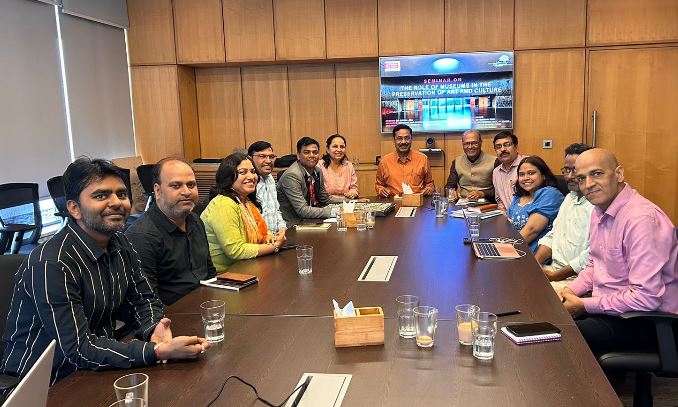
Seminar on the Role of Museums in the Preservation of Art and Culture Held at Bihar Museum

Patna, Feb 28: A thought-provoking seminar on “The Role of Museums in the Preservation of Art and Culture” was organized at the Bihar Museum to mark the death anniversary of India’s first President, Dr Rajendra Prasad. The programme was held under the chairmanship of Additional Director, Bihar Museum, Shri Ashok Kumar Sinha.

Seminar on the Role of Museums in the Preservation of Art and Culture Held at Bihar Museum

Addressing the gathering, Shri Ashok Kumar Sinha highlighted the enduring legacy of Dr Rajendra Prasad and informed the audience that the development of a special gallery featuring rare works and images of the great statesman is underway at the Patna Museum, which was established in 1917. Sinha  emphasized that such initiatives strengthen historical consciousness and inspire future generations to connect with their roots.

Noted author and British Lingua Founder Dr Birbal Jha delivered an inspiring address, underscoring the timeless relevance of museums. “Museums protect these treasures from the ravages of time. They ensure that the flame of culture is never extinguished. They remind us that civilization is not built in a day; it is sculpted across centuries,” Dr Jha remarked.

Calling museums “cultural ambassadors,” Dr Jha stated, “They declare to the world: This is who we are. This is the depth of our wisdom.” Dr Jha further enriched his speech by quoting the 5th-century king and poet Bhartrihari from his immortal work Niti Shatakam:

“A person devoid of literature, music, and art is nothing more than a beast—lacking only the tail and horns. It is indeed the good fortune of real animals that such a person does not eat grass, yet continues to live.”

Through this profound citation, Dr Jha reiterated the indispensable role of art and culture in refining human character and sustaining civilization.

Prominently among others who spoke on the occasion were Additional Director Dr Sunil Kumar Jha, Shri Ranveer Singh Rajput, Dr Shankar Jay Kishan, Dr Vishi Upadhyay, Mrs Swati Kumari Singh, Shri Nandan Kumar, Shri Ghanshyam Singh, Shri Pashupati Kumar Singh, Miss Adeeva, Shri Suraj Sawant, and Shri Ranjit Kumar. Each speaker reflected on the transformative power of museums as repositories of heritage, centers of learning, and bridges between the past, present, and future.

The seminar, jointly organized by Bihar Museum and British Lingua, concluded with a collective resolve to strengthen museum initiatives and deepen public engagement with art and culture, reaffirming that preserving heritage is not only an institutional responsibility but a national duty.

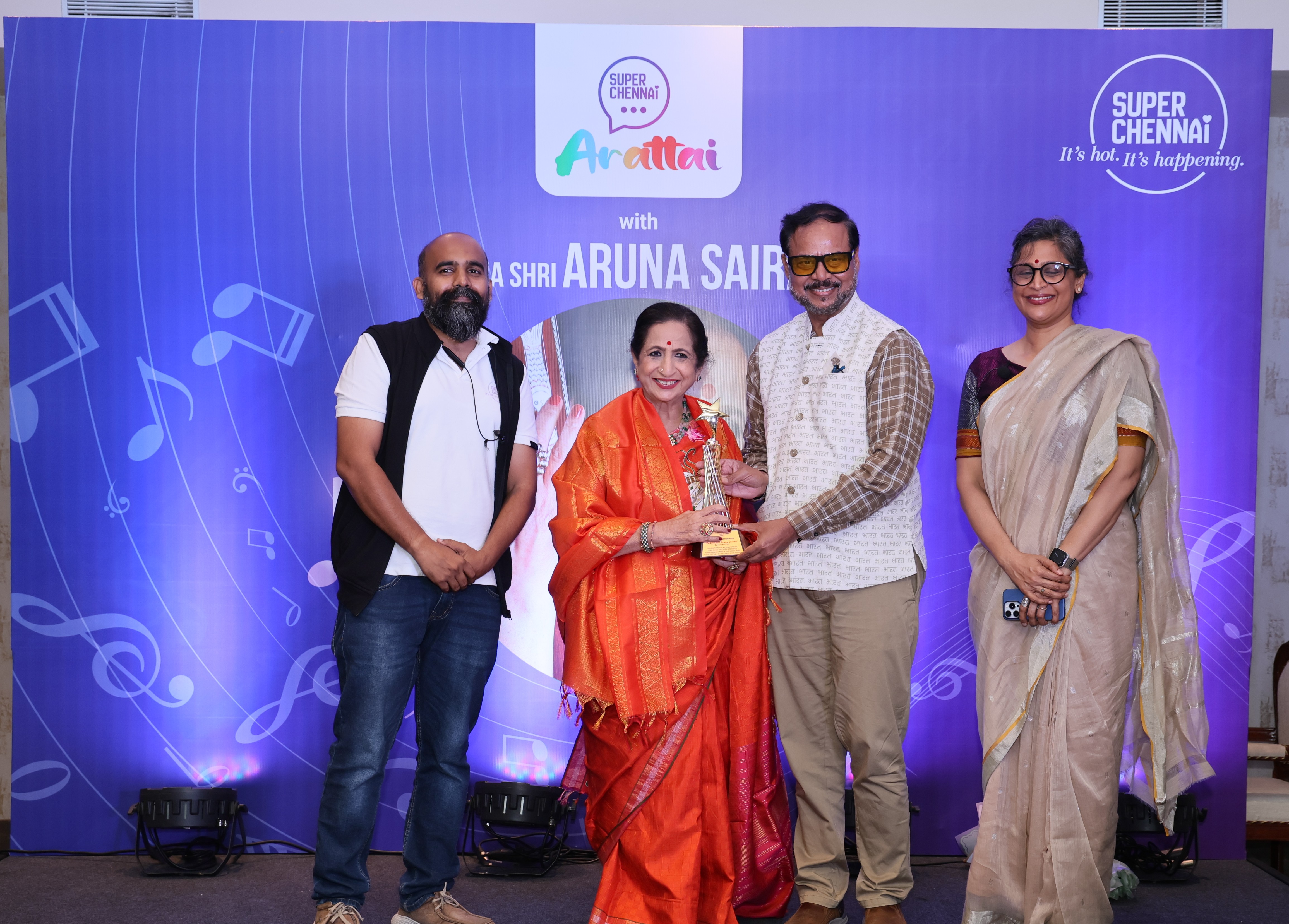
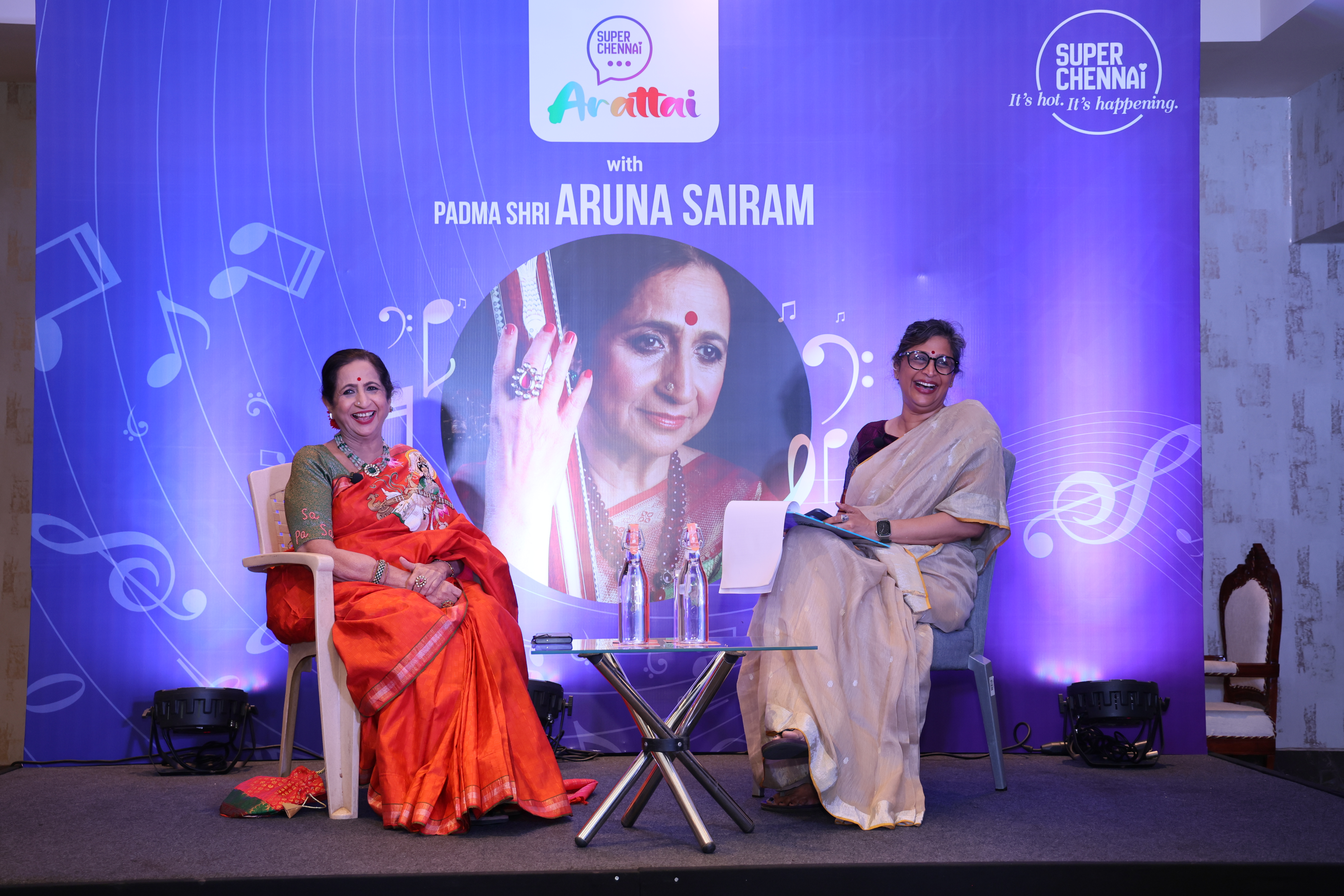
Music, Memories and Meaningful Conversations: Padma Shri Aruna Sairam Interacts with Admirers at the Inaugural ‘Super Chennai Arattai’

Felicitated as the ‘Icon of the Month’

Chennai, Feb 28: The inaugural edition of Super Chennai’s Arattai featured legendary Carnatic vocalist Padma Shri Aruna Sairam, one of India’s most revered classical musicians and a global ambassador of Chennai’s rich musical heritage. In a heart-warming and candid session, she shared anecdotes from her musical journey, reflections on Chennai’s cultural evolution, and personal insights into the discipline and devotion that define classical music.

Music, Memories and Meaningful Conversations: Padma Shri Aruna Sairam Interacts with Admirers at the Inaugural ‘Super Chennai Arattai’


Building on its vision of celebrating the spirit, stories and changemakers of the city, Super Chennai has introduced ‘Super Chennai Arattai’. Designed as an engaging, up-close interaction platform, Super Chennai Arattai will feature iconic personalities from diverse fields – arts, sports, business, cinema, literature and public life – offering audiences an opportunity to listen, interact and connect in an informal yet inspiring setting. Fans can register online to receive exclusive invites to attend the sessions, making the experience personal and community-driven.

During the event, Padma Shri Aruna Sairam was also honoured with the title ‘Icon of the Month’, recognising her extraordinary contribution to music and her enduring impact on Chennai’s cultural identity. The felicitation was presented by Mr. C. K. Kumaravel- Co- Founder & CMD, Naturals Salon & Spa, who lauded her role in taking Chennai’s musical legacy to the global stage.

Music, Memories and Meaningful Conversations: Padma Shri Aruna Sairam Interacts with Admirers at the Inaugural ‘Super Chennai Arattai’


Responding to the honour, Padma Shri Aruna Sairam said: “There is a real thirst in this city for something beyond the mundane – for music, for culture, for meaningful artistic experiences. That is what makes Chennai so extraordinary. I have had people stop me in traffic and tell me, ‘Please don’t leave the city,’ and that kind of love is something you can never take for granted. Chennai is my home – there is simply no comparison to Chennai. Its warmth, its passion for the arts, and its deep cultural roots are what truly make it ‘Super Chennai.”

Speaking at the launch, Mr. Ranjeeth Rathod, Managing Director, Super Chennai, said: “Super Chennai was envisioned as a citizen-led movement to spotlight the positive narratives of our city. With ‘Super Chennai Arattai’, we are creating a meaningful platform where icons of Chennai can connect directly with the people who celebrate and support them. Padma Shri Aruna Sairam is not just a musical legend but a cultural force who represents the soul of this city. It is an honour to have her as the inaugural guest at Super Chennai Arattai and recognise her as our ‘Icon of the Month’.”

Presenting the award, Mr. C. K. Kumaravel- Co- Founder & CMD, Naturals Salon & Spa added: “Some cities create professionals; Chennai creates culture. Padma Shri Aruna Sairam embodies that culture in human form. When art, culture and entrepreneurship come together, we don’t just build institutions – we build a more beautiful world.” 

‘Super Chennai Arattai’ will be hosted periodically, each edition spotlighting a distinguished personality whose work has shaped the city’s cultural and social fabric. With limited seats and curated interactions, the series aims to foster deeper conversations and meaningful community engagement.

Registrations for upcoming editions will be announced on Super Chennai’s official platforms. 

Riju Jhunjhunwala Welcomes INR 16,000 Crore Ajmer Projects as Game-Changer

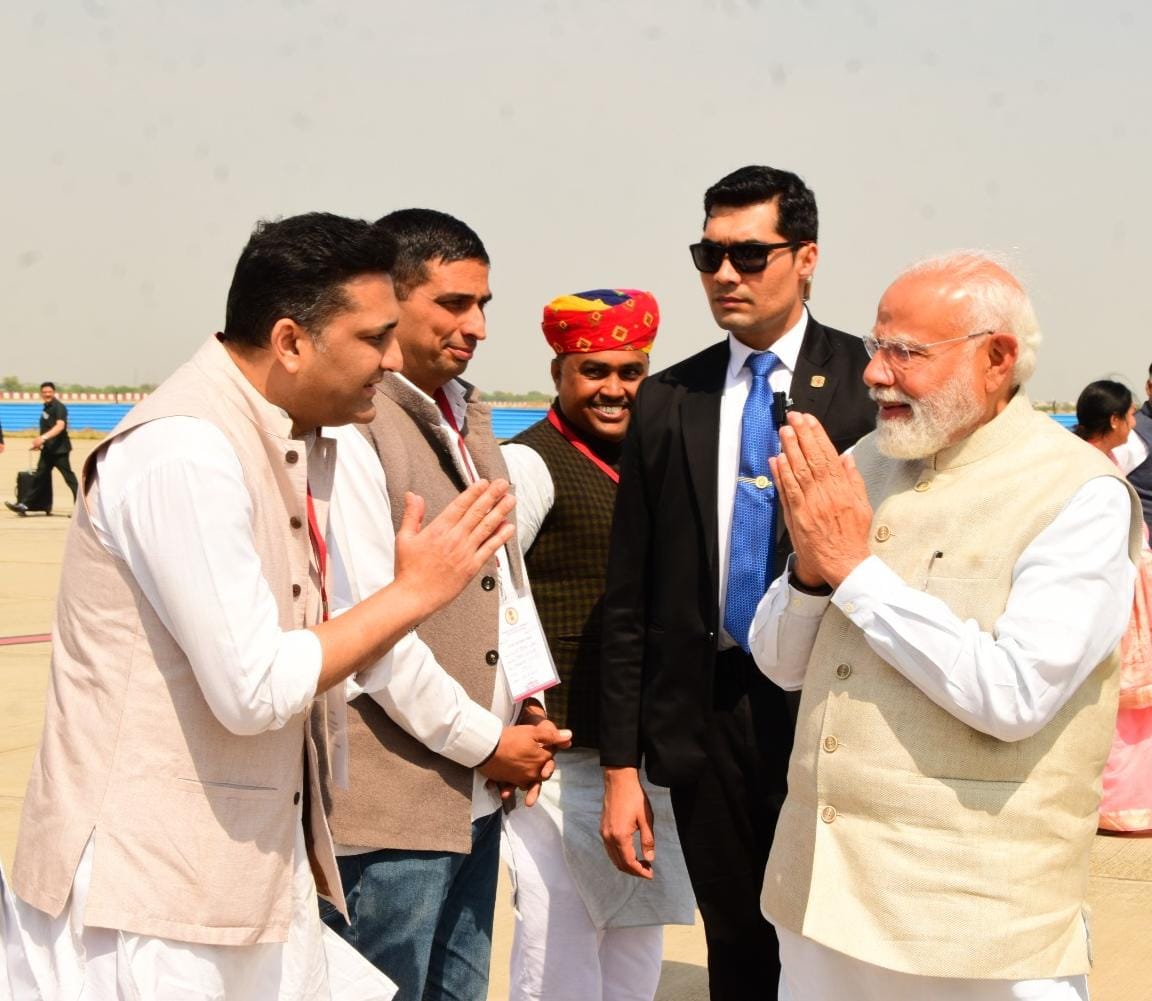
Ajmer, Feb 28: Prime Minister Narendra Modi on Friday launched and laid the foundation stone for development projects worth over ₹16,000 crore in Ajmer, marking a major push for infrastructure and economic growth in Rajasthan.

Reacting to the announcement, prominent textile industrialist Riju Jhunjhunwala described the initiative as a historic step in the state’s development trajectory. He said the projects would significantly accelerate progress toward the vision of a “Developed Rajasthan.”

INR 16,000 Crore Projects Unveiled in Ajmer: Riju Jhunjhunwala Calls PM Modi’s Initiative a Historic Step Toward ‘Developed Rajasthan’


Jhunjhunwala said that key infrastructure initiatives such as the Bandikui–Jaipur Greenfield Expressway and the Amritsar–Jamnagar Corridor will strengthen road connectivity and improve freight movement across the region. He added that these projects will enhance logistics efficiency, reduce transportation time, and create fresh opportunities for trade and industry.

Highlighting the social impact of the announcements, he said the Nonera and Parvan Akawad drinking water projects will improve water security in several parts of the state. He also termed the nationwide HPV vaccination campaign an important public health measure that will support the well-being and empowerment of young girls.

Under the Rozgar Mela initiative, the distribution of appointment letters to more than 21,000 youth marks a commendable effort to integrate young talent into the nation-building process. Additionally, the expansion of the renewable energy grid is set to unlock new avenues for investment, industrial growth, and employment generation in Rajasthan. He emphasized that this comprehensive approach reflects the Prime Minister’s commitment to balanced and holistic development of the state.

He further pointed out that the expansion of the renewable energy grid will attract investment, promote industrial growth, and generate employment across Rajasthan. According to him, the combined impact of these initiatives demonstrates a clear and structured approach to balanced regional development.

Jhunjhunwala also expressed appreciation to Rajasthan Chief Secretary V. Srinivasan, Director General of Police Rajeev Kumar Sharma, and other senior ministers and officials for their cooperation in advancing projects in the state’s interest.

Concluding his remarks, he thanked the people of Ajmer for their continued support and reiterated his commitment to contributing to the broader goal of “Developed India – Developed Rajasthan.”

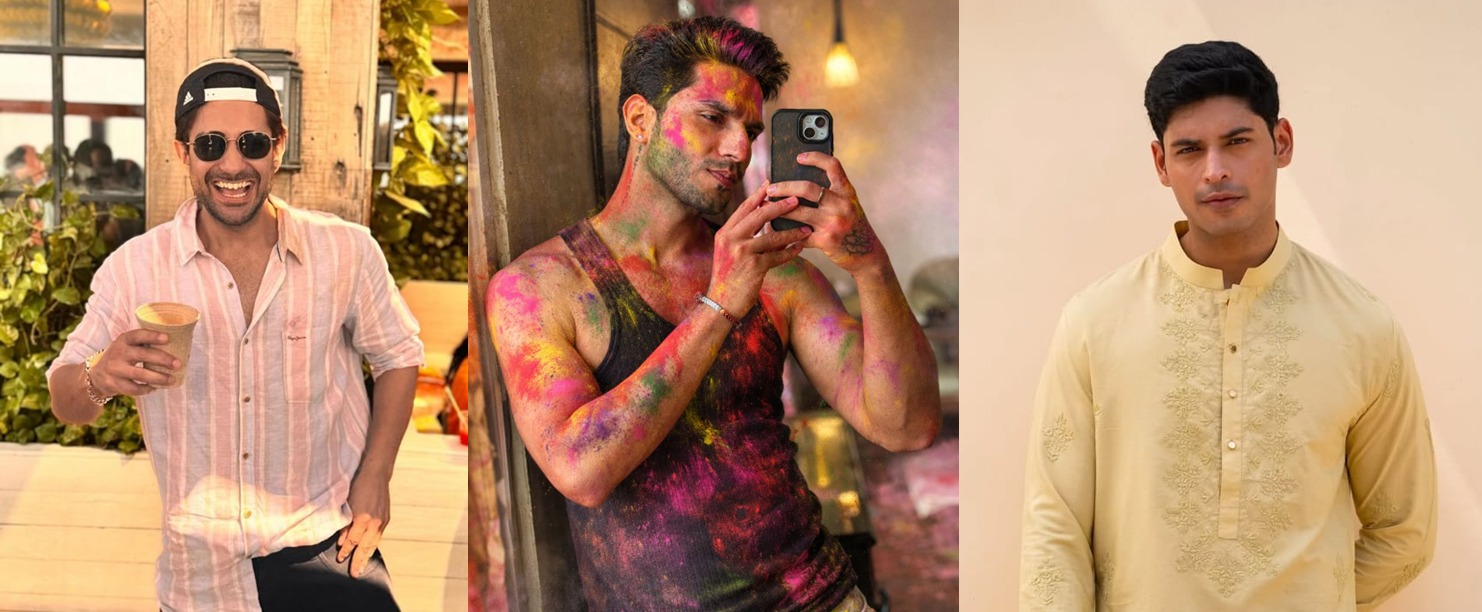
Sun Neo | Holi Hai! Sun Neo Artists Open Up About Colours, Bonds and Beautiful Memories

 As gulal fills the air and laughter echoes in every lane, Holi once again reminds us that colours are not just for faces, but for hearts too. This festival has a magical way of breaking barriers, creating bonds, and turning ordinary moments into lifelong memories.

Sun Neo’s talented actors share their most beautiful Holi memories and what this festival truly means to them. Kushagre Dua, who plays Grav in Prathaon ki Odhe Chunri: Beendani, believes Holi is about togetherness and forming new connections. He says, what I love most about Holi is that it brings people together, even strangers. On this day, we meet new people and naturally form bonds with them, unlike in daily life when we stay busy with our own work and friends. Holi helps create new connections and spreads joy and colour everywhere. One of my most memorable Holi moments is from childhood. My younger brother and I used to fill water and colour balloons the night before and keep them in a tub so we could attack early in the morning. We would work till 1 or 2 a.m., planning in advance to be ready while others were still filling balloons. Those memories are priceless. Every year, I celebrate Holi with close friends in Mumbai from afternoon till evening, using only gulal or organic colours”. 

Sun Neo | Holi Hai! Sun Neo Artists Open Up About Colours, Bonds and Beautiful Memories


This year, I’ll be shooting for Prathaon Ki Odhe Chunri: Beendani, so I must be careful and may miss celebrating with my friends.” For Akash Khadelwal, who plays Shaurya in Satyaa Sachee, Holi is deeply rooted in his birthplace and childhood. “Holi has always been very special to me because I was born in Mathura, where Holi is world famous and celebrated in a unique way. For us, it was never just a one-day festival. The excitement would start almost a month before Holi. As children, we used to throw water balloons at strangers, and everyone took it in a fun and sporting spirit. People were more patient and the festive feeling was stronger and more welcoming. I have also experienced Lath Maar Holi, which I feel very lucky about. The whole village would come together at night with great energy and excitement. It can hurt a little sometimes, but the fun, madness, and joy of celebrating together make it completely worth it.”

Meanwhile, Bharat Narang, who plays Vikrant in Satyaa Sachee, shares how Holi is all about family for him, “Holi for me is all about family. It is a time to come together with my elders, cousins, nephews, and niece for our traditional terrace party. Every year, there is music, laughter, and colours all around, but the best part is the feeling of togetherness. No matter how busy we are in our daily lives, on Holi we make sure to be there for each other. We always celebrate Holi at my Bade Paapa’s house, on the terrace. I clearly remember one year when my dad suddenly gathered all of us and started singing loudly. We all joined him and repeated the lines after him. We were sitting in a circle, covered in colours, and it felt like a jagran had started instead of a Holi party! It was funny, chaotic, and full of love. That is a memory I will always cherish.” 

Watch Prathaon Ki Odhe Chunri: Beendani at 9:00 PM and Satyaa Sachee at 8:00 PM, only on Sun Neo 

Mars Impact Fund Launches in India with Humane World for Animals as Part of Global Grant to Advance Science-Led Dog Population Management

Hyderabad, Feb 28: Mars, Incorporated, a global leader in snacking, pet care and food & nutrition, announced a USD $726,000 global grant through the Mars Impact Fund, its enterprise-wide philanthropic entity designed to accelerate meaningful and lasting impact in the communities where it operates. As part of this global commitment, India will be a key focus market for implementation, with Humane World for Animals leading a comprehensive, science-based approach to street dog population management, expanded access to veterinary care, and long-term municipal and professional capacity strengthening across high-need regions.

The programme prioritises science-led dog population management, institutional strengthening, and sustainable workforce development in high-need regions.

The programme integrates sterilisation and rabies vaccination efforts with mobile veterinary clinics, hands-on training for professionals, and meaningful partnerships with communities. Through these efforts, the project aims to deliver large-scale preventive care, public health interventions, and sustained community action helping animals across targeted geographies.

“Delivering impact starts with listening to communities and partnering with organisations that understand local needs,” said Michelle Grogg, Executive Director, Mars Impact Fund. “Our partnership with Humane World for Animals reflects this approach by helping expand access to veterinary care and training in communities where it is needed most.”

India is home to one of the world’s largest free-roaming dog populations. While the Animal Birth Control Rules, 2023, provide a clear legal and scientific framework for humane management, implementation across municipalities remains uneven due to funding constraints, limited veterinary infrastructure, and inconsistent operational capacity. Rapid urbanisation has intensified human–animal conflict in several cities, reinforcing the need for sustained, structured, and science-led solutions. Mars’ State of Pet Homelessness Report highlights that millions of dogs globally lack secure homes and underscores that sustained sterilisation coverage, often benchmarked at 70 per cent or higher, is essential to stabilise and humanely reduce street dog populations over time. In many Indian cities, achieving this threshold stays a structural challenge. This initiative seeks to close that gap through coordinated, systems-based intervention rather than episodic response.

In India, the partnership will work in Uttar Pradesh and Uttarakhand to deliver high-quality spay-neuter services and professional training for veterinary professionals, while fostering strong partnerships with communities and local governments. Humane World for Animals will facilitate the launch of the country’s first dedicated National Animal Birth Control Training Center in Lucknow and a Mobile Training and Capacity-Building Program for animal welfare NGOs across the country.

In Hyderabad and Ahmedabad, Humane World for Animals will launch a pet welfare initiative to improve access to vaccinations and encourage formal registration of owned dogs. This program will deliver a large-scale, city-supported pet welfare and rabies vaccination campaign, complemented by a targeted communications effort designed to raise awareness, increase registration, and promote long-term owner commitment.

Manish Syag, Managing Director, Mars Pet Nutrition India, said, “India is at a defining moment in how it manages human–animal coexistence. According to Mars’ State of Pet Homelessness Report 2023, nearly 69 million dogs and cats in India are without secure homes. These figures reinforce that free-roaming dog populations cannot be addressed through fragmented or short-term measures. Through this initiative, we aim to advance sterilisation coverage, vaccination access, and professional capacity building in alignment with the widely recognised 70 per cent sterilisation benchmark necessary for long-term population stability. This initiative is more than a grant; it represents a long-term blueprint for building safer, healthier, and more resilient cities for both people and animals.”

“What better partners than Mars to work together to address one of the biggest challenges surrounding street dogs – human – dog conflict. We are delighted to be partnering with them! By promoting science-led Animal Birth Control programs and strengthening human-dog interactions through community engagement, we are working towards long-term solutions. Through high-volume sterilisation, vaccination, and community engagement initiatives in states like Uttarakhand and cities like Lucknow, we are demonstrating how these programs effectively reduce conflict, dog bite incidents and rabies risks,” said Alokparna Sengupta, Managing Director, Humane World for Animals India. “Our expansion of mobile animal clinics in underserved regions is further supporting community-driven solutions that make our neighbourhoods safer and healthier and addresses street animal welfare.”

As a family-owned, principle-driven company, Mars has long believed that business should be a force for good. Building on this legacy, the Mars Impact Fund is designed to complement existing sustainability efforts and foundation activities with strategic, long-term investments. The Mars Impact Fund will contribute $85 million between 2025 and 2027. From 2028 onward, the company expects to distribute $50 million annually in philanthropic capital.


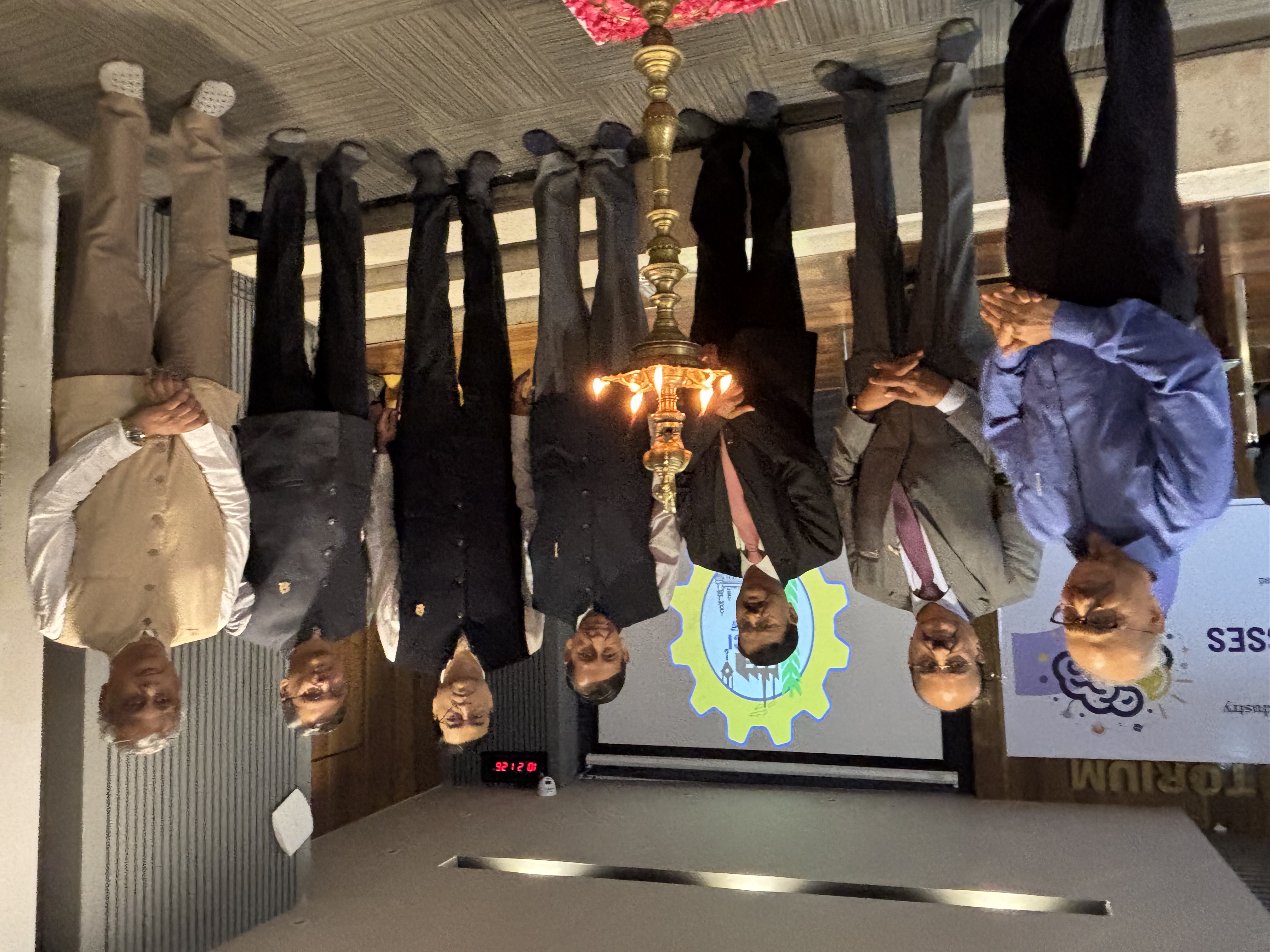
FTCCI hosts a full-day workshop on “Resilient Minds – Thriving Businesses”

FTCCI hosts a full-day workshop on “Resilient Minds – Thriving Businesses”


Hyderabad, Feb 28: The Federation of Telangana Chambers of Commerce and Industry (FTCCI) conducted a unique one-day program titled “Resilient Minds – Thriving Businesses” at the FTCCI Surana Auditorium, Federation House, Hyderabad, on Saturday. The workshop witnessed participation from over 200 entrepreneurs, business leaders, healthcare professionals, and industry stakeholders who gathered to explore the powerful intersection of psychology, leadership, and sustainable business growth.

The event was graced by Dr Dilip P. Bhanushali, National President, Indian Medical Association (2024–25), and Dr P. Kishan, President, Indian Medical Association – Telangana, as the Guests of Honour. Their presence reinforced the importance of mental health awareness and resilience in leadership and organisational ecosystems.

Addressing the gathering, Dr Dilip P. Bhanushali stated that doctors, too, must be granted immunity, similar to judges and advocates, from the provisions of the Clinical Consumer Protection Act. He informed that several representations had been made in the past in this regard. Emphasising the sacrifices made by the medical fraternity, he noted that more than 2,000 doctors lost their lives during the COVID-19 pandemic while rendering medical aid to patients. “Doctors render yeoman service to society and deserve appropriate legal protection,” he said.

Highlighting the stature of the Indian Medical Association (IMA), he shared that it is one of the world’s largest medical bodies with over 4.5 lakh members, 32 state branches, and nearly 1,800 local branches. He also mentioned that IMA has trained more than 50,000 doctors on the MPV vaccine.

Speaking on mental health, Dr. Bhanushali said that mental toughness can make or mar business success. “A stronger mind protects you from market fluctuations, business ups and downs, regulatory changes, and complex team dynamics. We must cultivate a growth mindset. A healthy mind fosters creativity and long-term success,” he added.

Dr. P. Kishan, President of IMA Telangana, stressed the need to develop a structured “manual” to understand and manage the mind. “Every other critical component in life has a manual. Why not a manual for the mind? We need to understand it better to manage it effectively,” he remarked, adding that the world is watching the Indian model of mind management.

Drawing a spiritual analogy, he said, “Lord Vishnu rests upon the serpent Adishesha — a symbol of immense power and potential turbulence — yet His repose is unwavering and undisturbed. The message is profound: true resilience is not the absence of challenges, but the ability to remain steady amidst them. When the mind is calm, even a bed of serpents does not oscillate.”

R. Ravi Kumar, President of FTCCI, observed that life is full of stress and how one handles it shapes both personality and business success. “Growing a business and controlling the mind are equally important. Business, family, or managing any institution is ultimately about managing people. If you manage people well, they manage your business. To manage people, you must first manage your mind,” he said.

In his introductory remarks, Shekhar Agarwal, Chair of the Health Committee, said, “Man hi devta hai, man hi Ishwar hai — man se bada kuch bhi nahi. The mind is both the creator and the controller of our destiny. It can bind us in fear or liberate us with courage. When disciplined and awakened, it becomes divine in its power.”

Designed to equip entrepreneurs and leaders with practical psychological insights, the program focused on strengthening mental well-being, enhancing self-awareness, building resilience, and navigating emotional pressures in demanding professional environments. The sessions emphasized that true business success is rooted not only in strategy and execution but also in emotional intelligence, clarity of thought, and the ability to respond constructively to stress and uncertainty.

The program featured an eminent panel of speakers including Mr. Baijesh Arayil Ramesh, Clinical Psychologist and Organizational Consultant; Dr. Keshav Rao Devulapally, Consultant Psychiatrist and Director, Chetana Hospital; Dr. R. K. Mishra, Former Director, Institute of Public Enterprise; Mr. T. Muralidharan, Founder and Chairman, TMI Group; and Prof. Himanshu Tambe from the Indian School of Business. Through engaging presentations and interactive discussions, the speakers addressed psychometric assessments for improved self-awareness, early identification of mental health indicators, stress management in leadership roles, communication enhancement, and cultivating resilience to drive business excellence.

The program concluded on a high note, with participants appreciating FTCCI’s initiative in bringing a forward-looking and holistic approach to leadership development. FTCCI expressed gratitude to the distinguished speakers, guests, and participants and reaffirmed its commitment to organizing impactful initiatives that support both personal growth and the advancement of the business community in Telangana.

More than 200 people participated in the program.

— 
Vice President C. P. Radhakrishnan Presides Over 57th Convocation of IIMC; Lays Foundation Stone for New Academic Block

Vice President C. P. Radhakrishnan Presides Over 57th Convocation of IIMC; Lays Foundation Stone for New Academic Block

New Delhi, Feb 28: The 57th Convocation Ceremony of the Indian Institute of Mass Communication (IIMC), Deemed to be University, was held today at its New Delhi campus. This is the first convocation of a batch graduating after IIMC attained deemed-to-be-university status in January 2024.

The Hon’ble Vice President of India graced the occasion and laid the foundation stone for a new academic block, marking a major infrastructure expansion at the institute.

Addressing the 57th Convocation Ceremony of Indian Institute of Mass Communication, the Vice President of India, Shri C. P. Radhakrishnan, said that journalism must not ignore challenges, but it must equally highlight progress and nation-building efforts. Speaking to graduating students of Journalism, Advertising and Public Relations, he noted that communicators shape aspirations, amplify national priorities and craft narratives that inspire progress. He emphasized that creativity is not merely a commercial tool, but a catalyst for transformation and social change. The Vice President underlined that while technology, platforms and mediums will continue to evolve, the core values of journalism and communication accuracy, fairness, integrity and accountability must remain non-negotiable. He urged graduates to uphold purpose-driven communication and contribute towards building a confident and inclusive India.

Addressing the gathering, Union Minister for Information & Broadcasting, Electronics & IT and Railways, Shri Ashwini Vaishnaw, said IIMC is one of India’s premier institutions with a high placement rate and graduates widely sought after in the media industry.

He announced that from the next academic session, IIMC will introduce a Fellowship Programme for journalists to enable specialization in areas such as technology, economy and strategy, enhancing research and domain expertise. The Minister also highlighted the establishment of an incubator at IIMC and appreciated innovative startups, including one transforming Indian folk tales into technology-driven storytelling formats. He further underlined the importance of Gen Bharat in shaping India’s future trajectory.

At the ceremony, 509 students from nine PG Diploma programmes across six campuses were awarded diplomas. A total of 35 medals, including 23 with cash prizes, were presented to toppers. Mark sheets under the grade and credit system have been made available through DigiLocker.

IIMC currently runs eight PG Diploma programmes and several MA programmes, with three new MA courses to be introduced from 2026–27. 

Shardul Amarchand Mangaldas & Co. Releases Report Calling for Comprehensive Reform of India’s AI Liability Regime

Shardul Amarchand Mangaldas & Co. Releases Report Calling for Comprehensive Reform of India’s AI Liability Regime

New Delhi, Feb 28:  Shardul Amarchand Mangaldas & Co. (SAM), has released a comprehensive report titled “Reforming India’s AI Liability Regime: Report on Artificial Intelligence and Legal Responsibility in India”, calling for reforms to India’s legal framework governing liability for harms caused by artificial intelligence (AI) systems.

As AI technologies become increasingly embedded across critical sectors such as healthcare, finance, transportation, and public services, the report underscores that India’s existing liability laws were not designed to address the unique characteristics of AI systems. These include opacity in decision-making, self-learning and adaptive behaviour, and the involvement of multiple actors across the AI value chain. 

The report highlights the growing urgency for a modernised liability framework that can respond to the risks posed by AI while continuing to support innovation and adoption.

Key Findings

The report identifies three fundamental gaps in India’s current legal framework:

  • Ambiguity in AI Value Chain Participation: Existing statutes lack precise taxonomies for entities across the AI lifecycle including designers, data providers, developers, and deployers. This absence of clarity complicates judicial determination of liability when AI systems cause harm.
  • Anachronistic Definitions of “Product” and “Defect”: The Consumer Protection Act, 2019, remains largely oriented towards tangible goods and does not explicitly account for intangible, adaptive software or algorithmic failures, such as statistical bias and autonomous decision-making errors.
  • Evidentiary and Procedural Barriers: The “black box” nature of many AI systems create significant information asymmetry. Unlike emerging international norms, Indian law currently lacks the procedural mechanisms – such as rebuttable presumptions – that would enable claimants to establish causation in complex technical disputes. 

Comparative Insights

Drawing on comparative analysis of legal frameworks in the European Union, United States, Australia, and Japan, the report identifies international best practices that India could consider adapting:

  • The European Union’s revised Product Liability Directive and AI Act explicitly recognise the multiplicity of actors within the AI ecosystem and allocate responsibility based on degrees of control and influence.
  • Jurisdictions such as the European Union and Australia have expanded legal definitions to include software, digital services, and evolving AI systems.
  • The European Union has introduced procedural innovations including rebuttable presumptions of causation and evidence disclosure rights, to ease the burden of proof for claimants. 

Principal Recommendations

The report proposes a principled reform agenda for India, including:

  1. Adoption of a Control-Based Liability Framework: Legal responsibility should correspond to the degree of control and influence exercised by actors at various stages of the AI lifecycle, rather than relying solely on traditional categories such as manufacturer or service provider.
  2. Clarification of Legal Definitions: Statutory definitions of “product” and “defect” should be updated to explicitly encompass AI systems, software, and adaptive digital products.
  3. Introduction of Procedural Safeguards: Mechanisms such as evidence disclosure obligations, presumptions of causation, and access to technical expertise should be incorporated to address the evidentiary challenges unique to AI-related disputes.
  4. Consideration of Safe Harbour and Public-Private Models: Certification-based safe harbours and multistakeholder regulatory organisations should be explored to balance innovation with accountability.
  5. Phased introduction of Specialised Dispute Resolution: The report recommends beginning with dedicated AI benches within existing High Courts, supported by technical experts, with a view to evolving specialised forums as the regulatory ecosystem matures.

Leadership Perspective

Commenting on the reportDr Shardul S. Shroff, Executive ChairmanShardul Amarchand Mangaldas & Co., said: “Artificial intelligence is no longer a future concern—it is already shaping critical decisions across the economy. India’s legal framework must evolve to address the distinctive risks posed by AI systems while continuing to foster innovation. This report seeks to contribute constructively to that evolution by identifying principled, comparative, and implementable pathways for reform.” 

Pallavi Shroff, Managing Partner, Shardul Amarchand Mangaldas & Co., said: AI-driven systems challenge some of the most settled assumptions in liability law—from causation and foreseeability to responsibility across complex value chains. India now has an opportunity to develop a forward-looking framework that protects individuals from harm while providing legal certainty to businesses deploying AI at scale. This report is intended to inform that balance with comparative insight and practical recommendations.”

 Akshay Chudasama, Managing PartnerShardul Amarchand Mangaldas & Co., added: “As AI becomes integral to commercial decision-making and public infrastructure, the absence of a clear liability regime creates risk for all stakeholders—developers, deployers, users, and consumers alike. A principled, control-based approach to liability, supported by procedural safeguards, is essential to ensure accountability without stifling innovation. We hope this report contributes meaningfully to India’s evolving technology governance discourse.”