• Bhubaneswar India
  • Contact+ 91-9938772605
  • Mon - Sat : 10:00AM - 6:00PM

Archive: February 1, 2026

Budget 2026–27 Drives Sustainable Growth, Infrastructure Expansion, and Inclusive Development Towards Viksit Bharat

By Mr. Kalyan Chakrabarti, CEO, Emaar India

Post Budget Quote: 

“We welcome the Union Budget 2026-27, which continues to take strong steps towards the vision of Viksit Bharat by focusing on sustainable economic growth, infrastructure expansion, and inclusive development. India’s economic trajectory, marked by stability, fiscal discipline, and sustained growth, reflects the government’s continued focus on building a resilient and competitive economy. 

For the real estate sector, we are particularly encouraged by the initiatives such as accelerating asset monetisation through REITs and continued infrastructure development in cities with over 5 lakh population, including tier-2 and tier-3 markets. These measures will support balanced urban growth, improve liveability, and create new opportunities for communities across the country. At Emaar India, we remain committed to contributing to this growth journey by developing world-class, future-ready communities that align with India’s evolving aspirations. 

The strong focus on boosting manufacturing, empowering MSMEs, and accelerating infrastructure development, along with the push for advanced technologies like AI and long-term stability, will help strengthen India’s competitiveness and support sustainable growth. The next few years present a significant opportunity to drive inclusive growth across regions and communities. At Emaar India, we remain committed to supporting the government’s vision by delivering projects that embody quality, innovation, transparency, and sustainability.”

Budget 2026 Emphasizes Human-AI Collaboration and Workforce Upskilling for Global Services Growth

By:- Mr. Sammir Inamdar, Founder and CEO

“India’s approach to AI is becoming more grounded and outcome-focused. By positioning AI and emerging technologies as growth multipliers rather than a prestige race, the focus shifts to human-AI collaboration. Further, the proposal to set up a committee to review AI’s impact on the services sector with the ambition of capturing 10% of global services exports by 2047, highlights the scale of opportunity ahead and makes one thing clear: large-scale upskilling is a non-negotiable so the workforce can use AI confidently, ethically, and productively. Regulation will matter, but real value will come from enabling talent to apply AI effectively in everyday work.”

Post Budget 2026: Parizad Sirwalla, Partner and Head, Global Mobility Services- Tax, KPMG in India

By Parizad Sirwalla, Partner and Head, Global Mobility Services- Tax, KPMG in India

 A continuity Budget focused on ease of doing business and compliance reforms!!

 Budget 2026 emphasises a compliance‑friendly, trust‑enhancing tax framework over rate cuts. A highlights being decriminalizing minor offences, enhancing voluntary disclosures, extending revised return deadlines, TCS / TDS rationalisation, and encouraging deeper market participation by PROI. Revamp of the buyback‑tax framework and the rise in STT on futures and options will influence investor behaviour.

 The efforts made to rationalise the dispute resolution mechanism and the amnesty scheme towards voluntary disclosure of overseas income/ assets will help build a trust-based framework and relief in case of minor and inadvertent non-disclosures. The reduction of TCS rates will ease the cash flow stress on remittances for overseas tours, medical and education expenditure abroad.

 The Budget also promises simplified forms under the new Income Tax Act. 

 However, overall, the focus is on stability, continuity and certainty of the tax regime. 


Budget 2026 Boosts Dairy Sector with Credit-Linked Subsidies, Veterinary Expansion, and Rural Growth Focus

By:- Akshali Shah, Executive Director, Parag Milk Foods

“The Union Budget 2026 recognises dairy as a key driver of farm income stability, nutrition security and rural employment. The announcement of a credit-linked subsidy programme to promote entrepreneurship in animal husbandry, including dairy, is a timely step that will support the growth of organised dairy enterprises and strengthen allied agricultural sectors.

The budget’s focus on scaling up the availability of veterinary professionals by more than 20,000, will play a vital role in supporting the dairy industry at grassroots level. It will significantly improve the overall productivity and profitability of the dairy sector in the rural regions where farmers and allied industries lose cattle in avoidable situations.

For the FMCG and dairy sector, a stronger focus on dairy-led income diversification and allied value chains reinforces the agricultural backbone that supports essential food categories such as milk and dairy products. By encouraging entrepreneurship and investment in dairy enterprises, the Budget creates a supportive environment for sustainable supply chains while contributing to inclusive rural growth.”

Budget 2026: Building the Foundations for a Deeptech-Driven, Long-Term Startup Ecosystem

By:- Vikram Gupta, Founder and Managing Partner, IvyCap Ventures

“This Budget marks a quiet but consequential shift in India’s startup and venture ecosystem through institution-building systems.The emphasis is clearly shifting away from app-led growth towards building real national capabilities across deeptech, manufacturing, biopharma, semiconductors, critical minerals and capital goods. In doing so, the Budget brings patient capital firmly into alignment with long-term policy priorities. At the same time, MSMEs are being reframed from pure credit consumers to equity-ready businesses, supported by growth funds, securitisation mechanisms and compliance enablement opening up a new set of platform and roll-up opportunities that have largely gone unnoticed. Infrastructure is no longer just a government spend line; it is becoming a fertile ground for infra-tech, logistics-tech, climate-tech, and execution-led B2G startups. AI, too, runs through the Budget not as hype, but as foundational plumbing across agriculture, healthcare, compliance, customs, and skilling, favouring AI-enabled operators. Services are being re-architected to build cash-flow-positive, globally scalable businesses, while reduced friction through tax simplification and decriminalisation improves founder operating leverage and capital efficiency. The real shift is this: India is no longer just supporting startups—it is deliberately building the conditions that produce them. This is not a momentum Budget; it is an institution-building one. And for founders and investors who think in decades rather than funding cycles, this is where the next chapter is being written.”

Post-Budget 2026 Reactions | Expert Comments Across Wellness, MSMEs, FMCG, Services, & Crypto

By Unnati Gala Founder & CEO, Chakrum Brand Communications

“Budget 2026 continues to prioritise infrastructure, manufacturing and MSME growth, which is encouraging for overall economic momentum. However, the service sector — particularly knowledge-led industries such as public relations, brand strategy, and communications — would benefit from more direct policy recognition.

As India positions itself as a global manufacturing and export hub, strategic communication and reputation management become critical enablers of business growth. The proposed MSME Growth Fund and sectoral expansion measures will indirectly stimulate demand for professional services, but incentives supporting digital services exports, skill development in communication technologies, and rationalised compliance frameworks for service-led enterprises would further strengthen the ecosystem.

The service economy is a major contributor to India’s GDP. Future budgets could look at structured support for high-value, intellectual-capital-driven industries that help Indian brands compete globally.”

Yashmit Gala CEO, Galaji Spices

“Ahead of Budget 2026, the FMCG sector was hoping for stronger measures around GST rationalisation, easing of compliance for MSMEs, and demand-side stimulus to revive rural consumption.

The announcement of the ₹10,000 crore MSME Growth Fund is a positive step toward enabling scale and competitiveness for small and mid-sized manufacturers. Access to structured growth capital can help regional brands modernise operations, strengthen supply chains, and invest in technology.

However, for the FMCG sector — rationalisation of GST slabs and correction of inverted duty structures would have provided more immediate working capital relief and pricing flexibility. Rural demand revival remains critical for sustained volume growth in our category.

Going forward, continued focus on ease of doing business, export facilitation for Indian food products, and stable input cost structures will be essential to help domestic manufacturers compete globally while strengthening India’s position as a trusted food processing hub.”

Mr. Sunny Bhanushali Founder, Aliens Tattoo Studio & School

“Budget 2026 made significant announcements with new AIIMS, Ayurveda institutes, and a national design school — all important steps toward strengthening healthcare and creative education infrastructure.

However, alongside building institutions, there should have been a stronger and more direct focus on skilling and credit-linked livelihood support. Infrastructure creates opportunity, but access creates impact.

In our experience at Aliens School, several students from credit-constrained communities have turned out to be exceptional artists when given structured training and financial support. What many talented individuals need is not just institutions — but accessible skilling pathways and affordable credit to turn talent into sustainable income.

In my opinion, future budgets must look beyond expansion and actively enable grassroots talent to participate in India’s growth story.”

Punit Agarwal Founder & CEO, KoinX

“Budget 2026 is a step towards more practical and trust-based compliance. Decriminalising minor offences and simplifying assessment and penalty proceedings recognises that most crypto tax issues stem from complexity, not intent.

Allowing taxpayers to update returns even after reassessment is especially relevant for crypto, where reconciliation often happens late due to high transaction volumes. The one-time foreign asset disclosure window and extended revision timelines will reduce fear and encourage voluntary compliance, particularly for small and first-time investors.

That said, the ecosystem was hoping for progress on allowing loss offset for crypto transactions, which would have brought parity with other asset classes and reflected economic reality. Overall, the direction is positive, and continued refinement will be key as digital asset adoption grows.”

Radhika Iyer Talati Wellness Expert, Ayurveda Practitioner & Founder, Anahata Organic

“Budget 2026 signals a meaningful shift toward strengthening India’s wellness and traditional healthcare ecosystem. The announcement of three new Ayurveda institutes, National Mental Health Institutes in Northern India, and the plan to train 1.5 lakh caregivers for wellness, yoga, and operational services reflects a clear recognition of preventive and integrative healthcare as a national priority.

Ayurveda has always emphasised the interconnectedness of physical, emotional, and mental wellbeing. Expanding institutional capacity alongside building a trained caregiver workforce can generate employment while enabling accessible, community-based care — especially at a time when mental health challenges are rising across demographics.

The proposed ₹10,000 crore SME Growth Fund further strengthens this direction. For Ayurveda-led enterprises, particularly those focused on exporting high-quality wellness products, this presents an opportunity to scale responsibly and position India as a credible global leader in traditional and plant-based healthcare.”
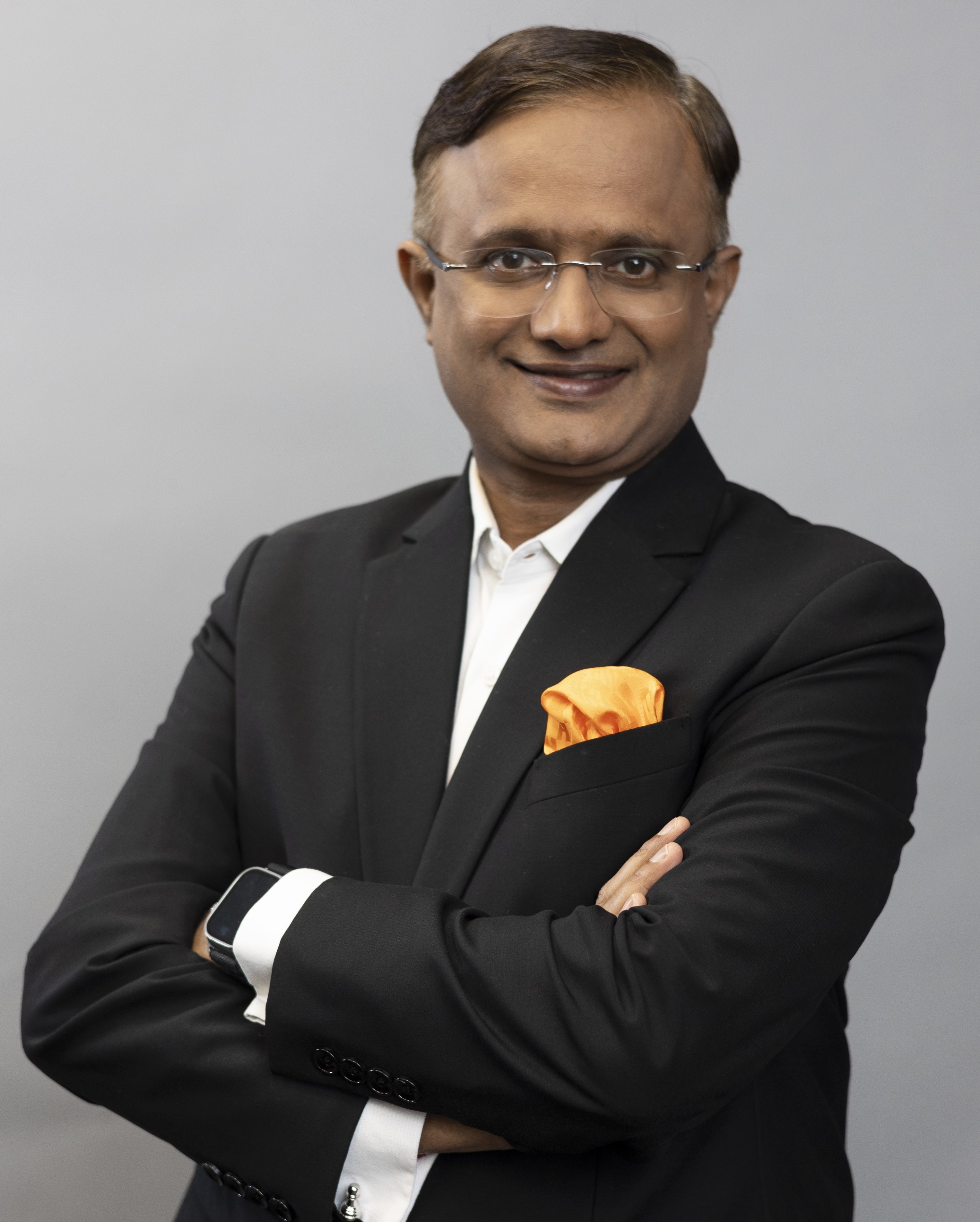
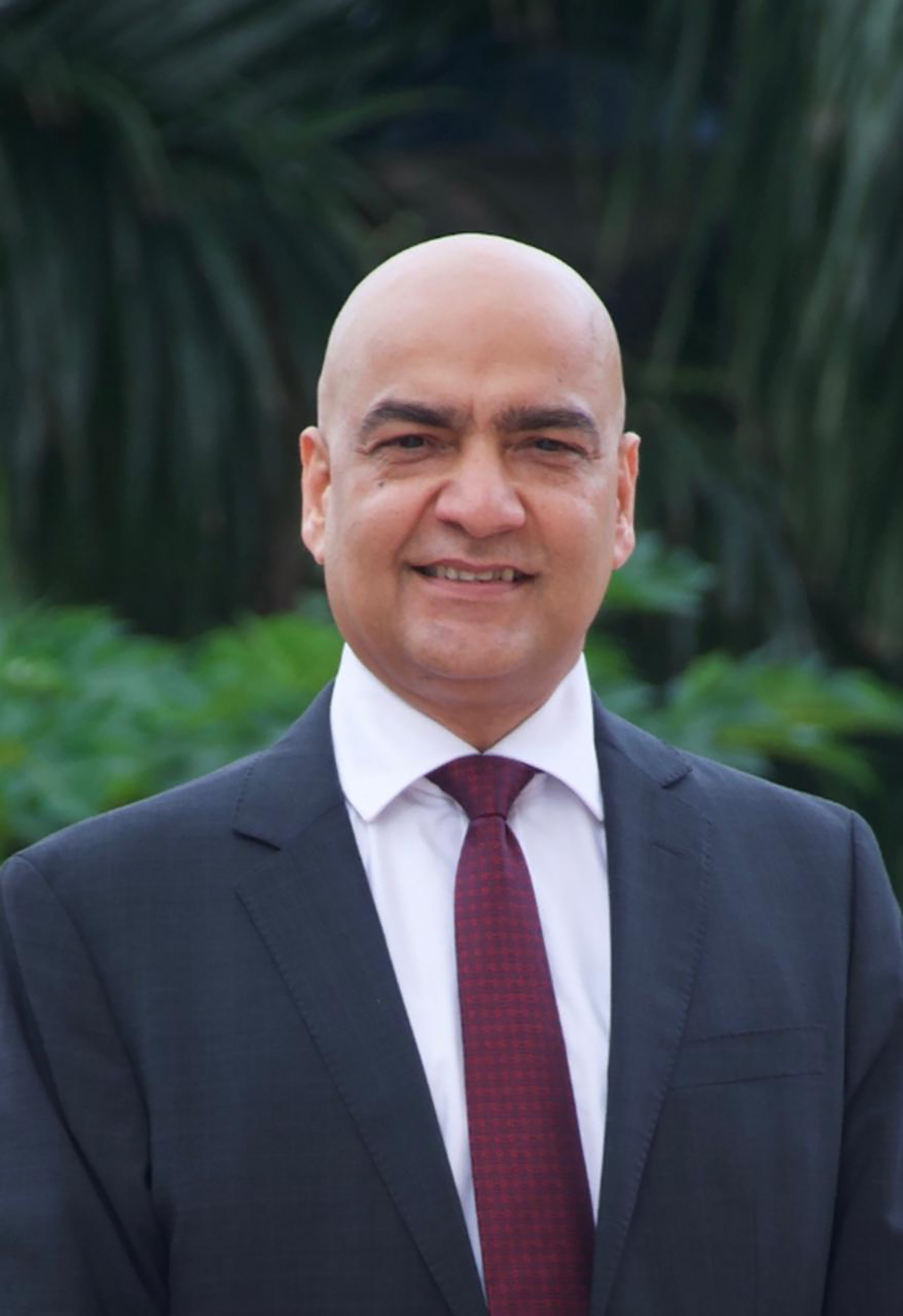
Future-Ready Education and Digital Skills Take Centre Stage in Budget 2026

By:- Mr. Ajay Singh Principal of The Scindia School, Gwalior.

“As an educator, I see the Union Budget 2026 as a thoughtful step towards aligning education with the realities of a rapidly changing world. The proposal to establish Content Creator and ABGC labs in schools and colleges is particularly significant, as it recognises creativity, digital storytelling, design thinking and technology integration as essential life skills. Introducing such exposure at the school level will encourage students to explore emerging industries, think critically and express ideas with confidence, while learning to use technology as a tool for innovation rather than passive consumption.

The proposed High-Powered ‘Education to Employment’ Standing Committee further strengthens this vision by clearly linking education with employability and workforce readiness. Its focus on the services sector and the impact of emerging technologies such as AI shows a clear understanding of how jobs and skills are evolving. For schools, this reinforces the need to move beyond exam-centric learning and equip students with adaptable skills, strong values and real-world preparedness enabling them to contribute meaningfully to India’s growth and the larger goal of a Viksit Bharat.”

Budget 2026 Reaction – Pramod Kathuria, Founder & CEO, Easiloan

Pramod Kathuria, Founder & CEO, Easiloan

The Union Budget 2026 reinforces the significance of housing and urban development as a crucial agenda of India’s growth strategy. With sustained emphasis on infrastructure outlays and a stable financial structure, the overall framework for residential demand remains conducive. Clarity and predictability in taxation and interest rates can further enhance the confidence of homebuyers, especially first-time and end-use homebuyers. Policies that promote long-term homeownership and ensure transparency will go a long way in maintaining the momentum in the housing market.

Quotes from Real Estate sector – Union Budget 2026-27

Mr. Pradeep Aggarwal, Founder & Chairman, Signature Global (India) Ltd. says on Union Budget 2026-27, “The Union Budget 2026 provides a strong and credible roadmap for India’s next phase of growth, led by a sharp focus on infrastructure, urban development, and financial reforms. The government’s decision to raise public capital expenditure to ₹12.2 lakh crore in FY27, a 9% increase over FY26, will play a critical role in accelerating project execution and crowding in private investment.

The creation of the Infrastructure Risk Guarantee Fund, along with the rollout of seven high-speed rail corridors and the operationalisation of 20 new national waterways over the next five years, will significantly enhance connectivity, reduce logistics costs, and improve the overall efficiency of the real estate and infrastructure ecosystem.

Urban development receives a sustained boost with an allocation of ₹5,000 crore per year for five years for City Economic Regions, alongside a continued focus on Tier-2 and Tier-3 cities as emerging growth centres. These measures will enable planned urbanisation, support civic infrastructure, and unlock housing demand across new geographies.

Further, accelerated recycling of CPSE real estate assets through dedicated REITs and continued emphasis on InvITs will deepen capital markets, improve liquidity, and strengthen investor confidence across the sector.

On the consumption side, income tax reforms— including no tax liability up to ₹12 lakh under the new tax regime, rationalised TDS and TCS rates, and reduced TCS on overseas tour packages to 2%—will enhance disposable incomes and ease compliance, providing indirect yet meaningful support to housing demand.

Overall, the Budget aligns strongly with the long-term vision of Viksit Bharat by 2047 and lays the foundation for sustainable, inclusive, and future-ready economic growth.”

Mr. Vikas Bhasin, Managing Director, Saya Group

The Union Budget 2026 proposals are, to a large extent, in line with expectations, particularly the government’s continued focus on sustained investment in infrastructure that truly connects people and regions. By strengthening physical and urban infrastructure, the Budget aims to make cities more liveable, efficient, and accessible for citizens across income segments.

The emphasis on Dedicated Freight Corridors, port-led development, and infrastructure expansion in Tier II and Tier III cities is expected to provide a significant boost to the housing sector. These measures will not only support real estate development in emerging urban centres but are also likely to have a positive spillover effect on overall housing demand and price stability in metro markets.

While property prices in Tier I cities are expected to remain largely range-bound, improved connectivity and infrastructure development will encourage residential growth in suburbs and satellite towns. This will enable homebuyers to access more affordable housing options slightly farther from central business districts, without compromising on connectivity to workplaces and major urban hubs.

Mr. Ashok Kapur, Chairman, Krishna Group and Krisumi Corporation

The Union Budget 2026–27 reinforces the government’s long-term commitment to infrastructure-led growth, which remains a critical enabler for the real estate sector. The emphasis on infrastructure, risk mitigation, and structured city growth aligns well with our long-term approach to creating high-quality developments that contribute meaningfully to India’s evolving urban landscape.

Creation of the Infrastructure Risk Guarantee Fund will enhance lender confidence in the infrastructure sector, which is expected to encourage greater private sector participation in large-scale projects. This bodes well for the real estate sector as real estate demand is closely linked to robust infrastructure and better connectivity.

Moreover, the move to accelerate monetisation of CPSE-owned real estate assets through dedicated REITs while at one hand may strengthen the institutional framework for asset recycling, on the other it may also provide much desired capital efficiency in the sector. Overall, this seems to be a neutral budget from the real estate sector perspective.