• Bhubaneswar India
  • Contact+ 91-9938772605
  • Mon - Sat : 10:00AM - 6:00PM

Archive: February 1, 2026

Mahindra Farm Equipment Posts 46% Domestic Growth with 38,484 Tractors Sold in Jan 2026

Chandigarh, Feb 01, : Mahindra & Mahindra Ltd.’s Farm Equipment Business part of the Mahindra Group, today announced its tractor sales numbers for January 2026.

Domestic sales in January 2026 were at 38,484 units, as against 26,305 units in January 2025, reflecting a 46% year-on-year growth.

Total tractor sales during January 2026 were at 40,643units, as against 27,557units for the same period last year. Exports for the month stood at 2,159 units which was a growth of 72%.

Commenting on the performance, Veejay Nakra, President Farm Equipment Business, Mahindra & Mahindra Ltd. said

We have sold 38,484 tractors in the domestic market during January 2026 registering a robust growth of 46% over last year. High reservoir levels have supported record growth in Rabi sowing. Expectations of government support and higher allocation in rural development in the budget today should positively influence agriculture and farm mechanization in the coming months. In the exports market, we have sold 2,159 tractors, a growth of 72% over last year.”

India leads a ‘Global Vision for Patient Safety’ at Day 1 of Apollo Hospitals International Health Dialogue 2026

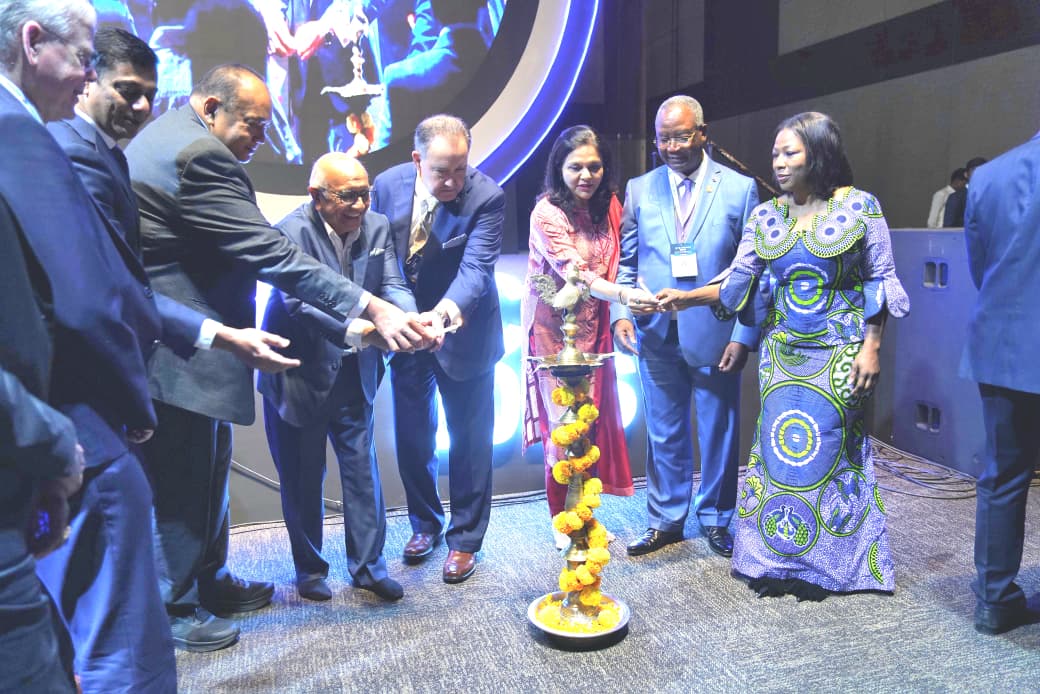
Bengaluru, January 30, 2026: International Health Dialogue (IHD) 2026 opened today in Hyderabad, bringing together clinicians, patient safety leaders, accreditation experts, and health system policymakers from India and abroad. With the theme Global Voices. One Vision. Day 1 centred patient safety where it truly belongs, as a leadership and governance priority, shaped by equity and enabled by responsible digital transformation. The discussions reflected a clear direction across geographies: India’s lived experience of delivering care at scale, while steadily strengthening standards and accountability, is increasingly informing how the world thinks about patient safety and trust.

Opening the conference, Dr. Sangita Reddy, Joint Managing Director, Apollo Hospitals Group, recalled the founding purpose of IHD as a platform built for sharing learning that should not remain confined to individual systems. “So much innovation is happening within our hospitals, within our systems. We are learning every day. But why is this knowledge staying within our own ecosystem? Why are we not sharing it more openly?” she said, adding that the intent has always been to “take what we have learned and make it useful for others.” Reflecting the expanding global relevance of the platform, she noted that IHD 2026 received over 5,000 registrations, 300+ paper submissions, and 120+ award entries from 75+ institutions worldwide.

Setting the tone for outcomes that work in real life, Dr Jayesh Ranjan, Special Chief Secretary for the Industries & Commerce (I&C) and Information Technology (IT) Departments, Government of Telangana, highlighted why equity must sit at the centre of patient safety design. “When we talk about sharing learning and improving systems, we have to start with the truth that patients are not homogeneous. Different patients live in different worlds, and safety means different things in each,” he said. “An equity lens forces a design lens. If we want patient safety to hold up in the real world, we must design for those who are most vulnerable, and we must plan for continuity, access, and how people actually behave,” he added. On digital inclusion, he observed, “The digital divide is not only infrastructure. Often, the mindset divide is bigger.”

Across the day, speakers converged on one practical point: patient safety outcomes increasingly depend on how well the ecosystem works as a coordinated whole, across regulators, accreditors, providers, and technology partners. In the opening plenary, Dr. Madhu Sasidhar, President and Chief Executive Officer, Hospitals Division, Apollo Hospitals Enterprise Limited, emphasised shared ownership and organisational accountability. “Patient safety cannot be solved by one stakeholder alone. It requires regulators, governments, accreditors, providers, and technology firms to work as one. Patient safety is not a departmental responsibility. It is in fact an organisational leadership responsibility.”

A strong thread through multiple sessions was the need to move from reactive care to earlier, more preventive intervention. Speaking to the pressure health systems face globally, Dr Sangita Reddy noted, “Healthcare demand is rising. We cannot solve exponential problems with linear solutions.” The discussions linked this to sharper prevention strategies, clearer outcome measurement, and digital tools that are deployed with discipline and accountability.

From a global quality and safety lens, Dr. Carsten Engel, CEO, International Society for Quality in Health Care (ISQua), reflected on the gap between sustained attention and on-ground improvement. “Patient safety has been on the agenda for decades, but we still have to say we are not there yet,” he said. He cautioned against adding activity without impact, noting, “We risk creating safety clutter, procedures and activities done in the name of safety that do not improve safety.” He urged leaders to adopt a systems view of behaviour and context: “Don’t ask why people didn’t do what they should have done. Ask why it made sense for them to do what they did.”

On standards and execution, Dr. Atul Mohan Kochhar, CEO, National Accreditation Board for Hospitals & Healthcare Providers (NABH), underlined urgency with an implementation-first approach. “Patient safety is not only a technical issue. It is a moral, social, and economic imperative. Policies alone do not improve safety. Implementation efficiency does,” he said. Reinforcing ambition in measurable terms, he added, “We must be ambitious when it comes to patient safety. Zero harm is the only number that can be accepted for patient safety risk.”

Building on this emphasis on implementation, accountability, and measurable safety outcomes, Apollo Hospitals also signed a Memorandum of Understanding with Roche Diagnostics India as part of Day 1 proceedings to explore the integration of advanced artificial intelligence into clinical decision-making. The collaboration will focus on translating AI-enabled insights into practical, clinician-friendly support across care pathways, strengthening consistency in clinical judgement, earlier risk identification, and safer, more standardised care delivery at scale.

Apollo’s emphasis on culture-led transformation was articulated by Dr. Rohini Sridhar, Chief of Medical Services, Apollo Hospitals, who stressed that systems improve only when clinical teams move together with the organisation. “Unless clinicians walk with you, zero harm cannot be achieved. If one unit experiences harm, every unit must learn immediately. Technology accelerates learning, but culture determines action.”

Later in the day, IHD 2026 hosted a dedicated spotlight session for the newly launched digital health startup community, with a curated set of startups pitching to investors. The session focused on solutions grounded in real clinical and operational gaps, including safer workflows, decision support, early risk identification, improved documentation, and scalable patient engagement. The segment reinforced IHD’s emphasis on translating innovation into validated, implementable tools that strengthen safety, outcomes, and trust.

IHD 2026 continues on January 31 in Hyderabad with further sessions and showcases focused on patient safety, digital transformation, healthcare operations, and clinical learning.
​Surya Loan Revamps IT Infrastructure to Power Faster, Safer Digital Lending Across India

New Delhi, Feb 01st: Surya Loan, one of the known RBI- regulated digital lending NBFCs, has successfully revamped its IT infrastructure with the aim to offer a more secure, faster, and seamless digital lending experience to its customers in India. This comprehensive overhaul is an example to the company’s dedication to technology-driven growth, customer trust, and data security in the digital financial landscape.

The infrastructure upgrade also encompasses high-performance backend solutions that are able to handle the maximum user traffic, thus reducing downtime and ensuring smooth app functionality. With the improved system stability and processing capabilities, Surya Loan is now able to handle fast loan verifications, eligibility approvals, and underwriting approvals, thus ensuring fast approval times for customers.

One of the key aspects of the upgrade is the incorporation of advanced security APIs that work towards protecting customer data. The advanced security APIs are capable of monitoring any unusual activity, checking the authenticity of incoming requests, and ensuring that all data transactions are encrypted. The new systems will therefore ensure that Surya Loan is fully compliant with RBI digital lending norms.

Further strengthening its technology backbone, Surya Loan has implemented multi-layer data encryption, a zero-trust access model, and real-time threat monitoring. These features are in addition to the customer experience improvements that include seamless document uploads, automated verifications, push notifications, and real-time in-app loan tracking, providing a faster and seamless experience even during peak times.

On this occasion, the Manish Bansal, Managing Director of Surya Loan said, “This upgrade in the infrastructure is an investment in the trust of our customers. Through this, we are ensuring that our customers not only get faster loan approvals but also the best possible data security. Our aim is to make digital lending safe, reliable, and hassle-free for the salaried class of India.”

Founded with the aim of making credit access easier for the working class in India, Surya Loan provides instant personal loans of up to ₹1,00,000 with approval in just 10 minutes. With operations in over 150 cities, the company provides a 100% paperless lending experience to over one million active users.

With its enhanced IT infrastructure and customer-centric strategy, Surya Loan is all set to continue its positioning as a future-ready and technology-driven online lending platform in the fintech industry in India.

Apollo Hospitals commits to year-round operations and announces ‘Hospital of the Future’ at IHD 2026

Ahmedabad, Feb 01st: Apollo Hospitals’ International Health Dialogue (IHD) 2026 concluded today in Hyderabad, with 27,000+ participants joining both in person and online over two days. With the theme Global Voices. One Vision., the programme brought together clinicians, patient safety leaders, accreditation experts, technologists, and health system policymakers from India and abroad, and received 300+ paper submissions and 120+ award entries from 75+ institutions worldwide, reflecting the depth and diversity of engagement around leadership-led safety, equity in system design, and responsible digital transformation for measurable outcomes and trust.

The programme also saw participation from senior Indian and international policymakers and health ministers, together with global quality and patient safety leaders, including Konda Vishweshwar Reddy, Member of Parliament (Lok Sabha), Chevella, Telangana; Jonathan B. Perlin, President and Chief Executive Officer, Joint Commission International (JCI); Carsten Engel, Chief Executive Officer, International Society for Quality in Health Care (ISQua); Atul Mohan Kochhar, Chief Executive Officer, National Accreditation Board for Hospitals & Healthcare Providers (NABH); Jean Rosaire Ibara, Hon’ble Minister of Health and Population, The Republic of Congo; Grace Ayensu-Danquah, Hon’ble Deputy Minister of Health, Ghana; Sarah Cleto Rial, Minister of Health, Republic of South Sudan; and Huʻakavameiliku Siaosi Sovaleni, Hon’ble Minister of Health, Tonga.

Opening IHD 2026, Dr. Sangita Reddy, Joint Managing Director, Apollo Hospitals Group, announced Apollo’s next phase of technology-led transformation, including a Hospital of the Future coming soon in Hyderabad, and an undertaking to build a Health System of the Future that extends beyond hospital walls. Framing the shift underway, she said “Healthcare is moving from institutions to systems, from episodic care to continuous health, and from manual processes to AI-embedded workflows. Technology is not an add-on. It is becoming the operating layer of healthcare, provided it remains human-led and empathy-driven. Our challenge cannot be solved by linear growth. Healthcare needs exponential solutions.”

Dr. Sangita Reddy also outlined the initiatives underpinning Apollo’s Health System of the Future undertaking, including Dial50 for non-clinical patient requests, the Microsoft partnership to build Clinician Copilot and Patient Copilot with human-in-the-loop governance, a preventive health AI platform with risk scoring and guided wellness pathways already running at scale with millions of API calls, and Apollo 24/7 serving 40 million+ users as the digital front door to care. “AI must remove mundane work, not human judgment. Safety improves when intelligence moves from retrospective review to real-time intervention,” she said, linking the roadmap to remote monitoring with zero code blue events in covered wards and 5G-connected ambulances that extend clinical oversight into emergency response.

In a virtual address, Dr. Prathap C. Reddy announced that Apollo Hospitals will operate 24×7, 365 days a year, including weekends and holidays, encouraging a shift in how care availability is defined for patients. “Healthcare cannot sleep when people fall sick. Healthcare must be available every day, not just working days. Technology must always serve compassion, not replace it. The future of healthcare is not in hospitals alone, but in everyday life.”

Speaking on the Government’s strategic focus on patient safety and healthcare, Konda Vishweshwar Reddy, Member of Parliament (Lok Sabha), Chevella, Telangana, said, “Artificial intelligence is a strategic priority for the Government of India, especially for healthcare, agriculture, and education. AI will institutionalise medical expertise and reach the remotest communities. Data quality, granularity, and absence of bias will determine AI success. India’s public digital infrastructure gives us a strong foundation to build scaled, interoperable innovation.”

Dr. Madhu Sasidhar, President and Chief Executive Officer, Hospitals Division, Apollo Hospitals Enterprise Limited, spoke of the need for shared accountability across stakeholders saying, “Patient safety today sits at the intersection of governance, AI, regulation, and collaboration. Artificial intelligence must deliver value at scale, not pilots in silos. Quality and outcomes are usually assumed. Rather, they must be incentivized.”

Jonathan B. Perlin, President and Chief Executive Officer, Joint Commission International (JCI), shared his perspective on trust in healthcare, saying, and “Safe, effective, compassionate care is the foundation of trust. All people. Always. In all settings. Responsible AI must be integrated into healthcare operations, not bolted on. Trust depends on consistency across settings, operational integration, and clear accountability.”

The programme also featured “Unscripted with Mr Arnab Goswami,” where Arnab Ranjan Goswami, Editor-in-Chief, Republic Media Network, moderated an on-stage conversation with Ms Shobana Kamineni, Executive Chairperson, Apollo Health Co Ltd and Apollo Pharmacies Ltd. The conversation explored whether technology can truly improve health outcomes, why awareness often does not translate into action, and what prevention must look like in everyday life.

Alongside the main programme, THNX hosted the Startup Dome at International Health Dialogue (IHD) 2026 in Hyderabad, organised in partnership with Startup Réseau, as a deployment-led pathway where shortlisted startups engaged with clinician and investor panels.

BlackSoil Capital Secures ICRA Credit Rating Upgrade on Improved Capitalisation and Asset Quality

Feb 1: BlackSoil Capital, one of India’s leading alternative credit platforms providing flexible financing solutions to growth-stage businesses, has received an upgrade in its credit ratings from ICRA Limited.

ICRA has upgraded BlackSoil’s long-term rating to [ICRA]A- (Stable) from [ICRA]BBB+ (Positive), and its short-term rating to [ICRA]A2+ from [ICRA]A2. In addition, ICRA has enhanced the rated amount for the company’s facilities.

The rating upgrade reflects BlackSoil’s strengthening credit profile, supported by improved capitalisation, stable asset quality, disciplined risk management practices, and a resilient funding and liquidity position, as outlined in ICRA’s rating rationale.

Key Details of the Rating Upgrade

Enhanced Credit Profile

  • The long-term rating upgrade reflects BlackSoil’s improved capitalisation, calibrated portfolio growth, and consistent financial performance.
  • Stable asset quality trends and disciplined underwriting across cycles have contributed to the strengthening of the company’s credit profile.
  • The upgrade in the short-term rating highlights BlackSoil’s comfortable liquidity position and improving funding profile.

Instrument-wise Rating Actions

  • Long-term/Short-term bank lines – Fund-based: Upgraded to [ICRA]A- (Stable)/[ICRA]A2+; upgraded from [ICRA]BBB+ (Positive)/[ICRA]A2; rated amount enhanced to ₹955 crore from ₹650 crore.
  • Commercial Paper Programme: Upgraded to [ICRA]A2+ from [ICRA]A2; rated amount maintained at ₹50 crore.
  • Total Rated Amount: Enhanced to ₹1,005 crore from ₹700 crore.

ICRA’s Stable outlook reflects the expectation that BlackSoil will maintain its credit metrics while continuing to scale its lending operations in a prudent and measured manner, supported by sound risk governance and liquidity management.

Commenting on the credit rating upgrade, Mr. Ankur Bansal, Managing Director, BlackSoil Capital, said:

The upgrade of BlackSoil Capital’s long-term rating to [ICRA]A- (Stable) and short-term rating to [ICRA]A2+ by ICRA Limited is a strong validation of the institution we are building. Our focus on disciplined underwriting, a robust risk management framework, and calibrated growth has helped us strengthen our credit profile while remaining prudent across cycles. A differentiated alternative credit approach, improved capitalisation, and a steadily diversified funding base have enabled us to deliver consistent performance. As we scale, our priority remains to build BlackSoil into a trusted, long-term partner for India’s growth-stage businesses – known for responsible capital, strong governance, and speed of execution.

The upgraded rating is expected to further strengthen confidence among lenders, investors, and other stakeholders, and support BlackSoil’s long-term strategy of scaling its alternative credit platform while maintaining a strong focus on asset quality and risk discipline.

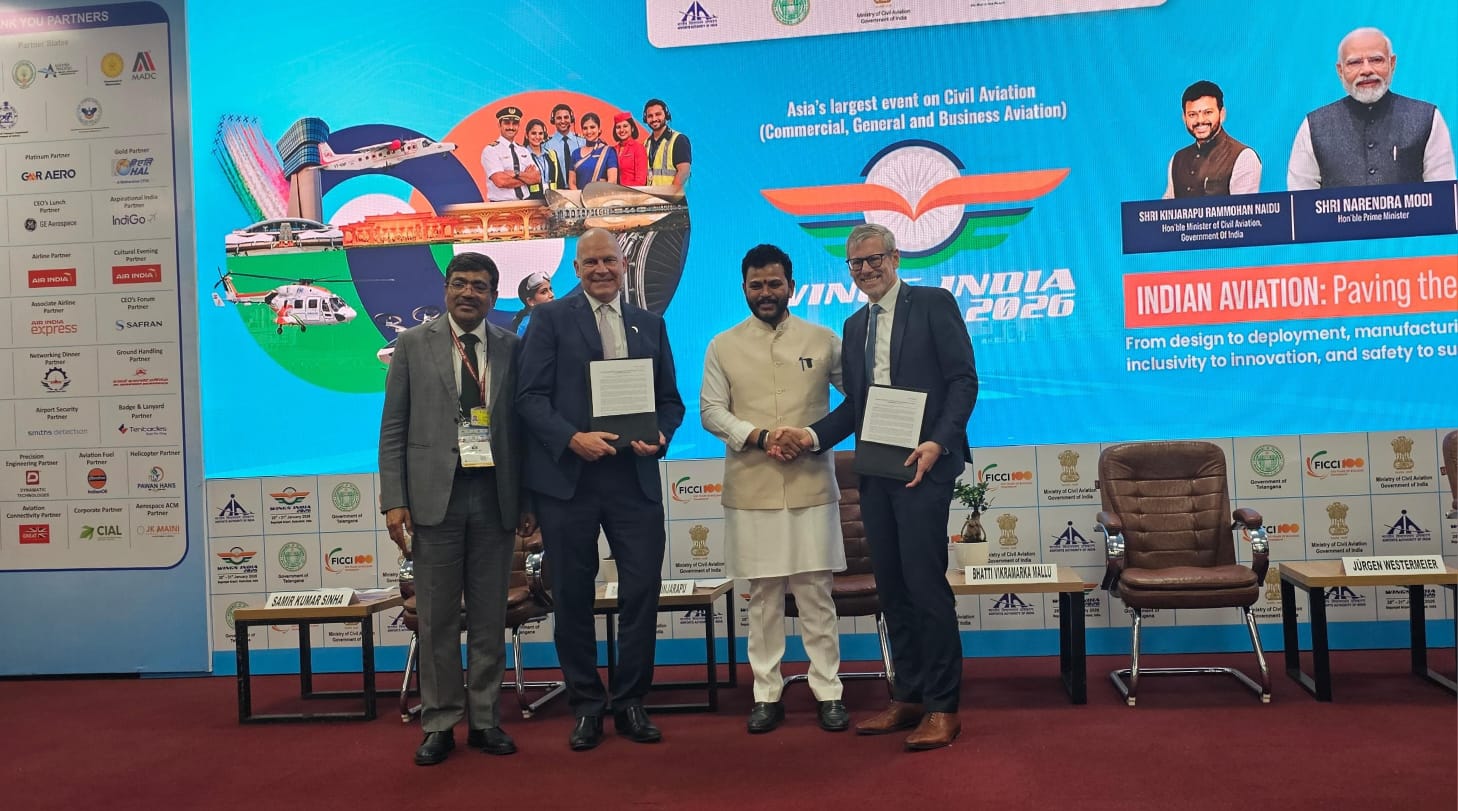
Air India Converts 15 Airbus A321neo Orders To Latest Generation A321XLR

Chandigarh, Jan 01st:  Air India, India’s leading global airline, today announced the conversion of 15 of its current orders for Airbus A321neo aircraft to the advanced Airbus A321XLR (Extra Long Range) variant. The conversion of the orders was announced today on the sidelines of Wings India 2026, a one of Asia’s premier civil aviation events, in Hyderabad. 

The conversion is part of Air India’s landmark orders placed with Airbus in 2023 with an addition in 2024, comprising a total of 50 twin-aisle A350 and 300 single-aisle A320 Family aircraft. Of the 300 single-aisle aircraft, this conversion to A321XLR applies to 15 of 210 A321neo aircraft ordered, while the remainder 90 A320neo remain as originally structured. The deliveries of the 15 A321XLR are expected between 2029 and 2030. 

The A321XLR, the latest variant in the evolution of the widely successful A320neo Family, offers a range of up to 4,700 nautical miles (or 8,700 kilometres) while delivering exceptional fuel efficiency, reduced emissions, and superior onboard comfort for passengers. This capability will enable Air India to open new non-stop international routes and optimise high-demand, medium-haul international services, with the flight economics of a single-aisle aircraft. 

Campbell Wilson, Chief Executive Officer and Managing Director, Air India, said: “The strategic conversion of a portion of our single-aisle Airbus aircraft orders to the A321XLR is in line with our effort of positioning Air India for the future. While we transform our current fleet at an accelerated pace with new and retrofitted aircraft, we are also carefully building our future fleet that, with scale and versatility, serves the rapidly evolving needs of travellers from and to India. We are happy with our strong partnership with Airbus, who continue to support our vision with the latest of aviation excellence.” 

“Air India’s decision to select the A321XLR is a significant endorsement of this game-changing aircraft. The A321XLR is proving to be a revenue generator by boosting frequencies, managing seasonality, and optimising capacity on medium-haul routes. We are pleased to see Air India using the XLR’s efficiency and range to open new opportunities and strengthen India’s connections with the rest of the world,” said Benoit de Saint-Exupéry, Airbus Executive Vice President of Commercial Aircraft Sales. 

Air India and Airbus are long-standing partners. The two companies have a 50:50 joint venture that has set up an advanced pilot training centre, inaugurated in September 2025, at the Air India Training Academy in Gurugram, Haryana. The state-of-the-art facility, equipped with 10 Full Flight Simulators (FFS), will train more than 5,000 new pilots over the next decade to support the exponential growth of commercial aviation in India. 

Currently, Air India has outstanding deliveries of 542 new aircraft (including 344 with Airbus) out of its total firm orders for 600 aircraft, underscoring its commitment to building one of the world’s youngest and most efficient fleets to support India’s growing aviation ambitions. 

Since its privatisation in January 2022, the Air India group has added nearly 170 aircraft to its fleet through a combination of new deliveries, strategic leases, merger of erstwhile Vistara into Air India, and the reactivation of long-grounded aircraft, thus marking significant progress in capacity expansion and fleet modernisation.

Air India Express Rolls Out ‘xpress More Sale’ With Upto 20percent Off

01st Feb: Air India Express, India’s first international value carrier, has announced its ‘Xpress More Sale’, offering discounts of up to 20% on domestic and international flights. The special fares are available for booking from 1 February 2026, with early access exclusively on its award-winning web site airindiaexpress.com, and mobile app, offering travellers the earliest opportunity to book from a wide range of discounted fares. The sale opens on all other major booking platforms from 2 February to 5 February 2026, for travel between 11 February and 31 December 2026, across domestic and international sectors. 

The airline offers Zero Convenience Fees on all bookings made through the airline’s website and mobile app, along with one complimentary date change for the bookings made during the sale period via these platforms.  

Guests booking Lite fares (zero-baggage fare) can add check-in baggage later at discounted rates, ₹1,500 for 15 kg on domestic flights and ₹2,500 for 20 kg on international flights. Guests can also avail 20% savings on Prime and Standard seats, as well as on hot meals. 

Air India Express has received the prestigious Domestic Connectivity Award constituted by the Ministry of Civil Aviation, Government of India, in collaboration with FICCI and the Airports Authority of India at Wings India, India’s premier Civil Aviation event concluded on 31st January, 2026 at Hyderabad. The airline has been selected by the distinguished jury for enhancing guest experience, growing connectivity, delivering superior services, leveraging digital and technology, driving sustainability, and innovation.  

Air India Express’ growing network spans 45 domestic and 17 international destinations across South Asia, Southeast Asia, and the Gulf region. With over 500 daily flights, the airline is the fastest-growing carrier in India, offering guests enhanced choice, connectivity, and schedule flexibility. 

The airline’s website offers fab deals for NeuPass members, including 25% on Business Class fares. Business Class seats are available on over 40 brand new Boeing 737-8 aircraft that Air India Express inducted as part of its rapid expansion.  

The airline also extends special offers with discounted fares and benefits, including zero convenience fees on bookings made on the airline’s website and mobile app for students, senior citizens, members of the armed forces, and their dependents. For added convenience, the website also offers flexible payment options, including EMI and Buy Now, Pay Later plans. Guests booking with select Visa debit and credit cards can book with a flat discount of ₹250 on domestic flights and ₹600 on international flights. 

Luminous Power Technologies Strengthens Its Commitment to Next-Generation Energy Solutions

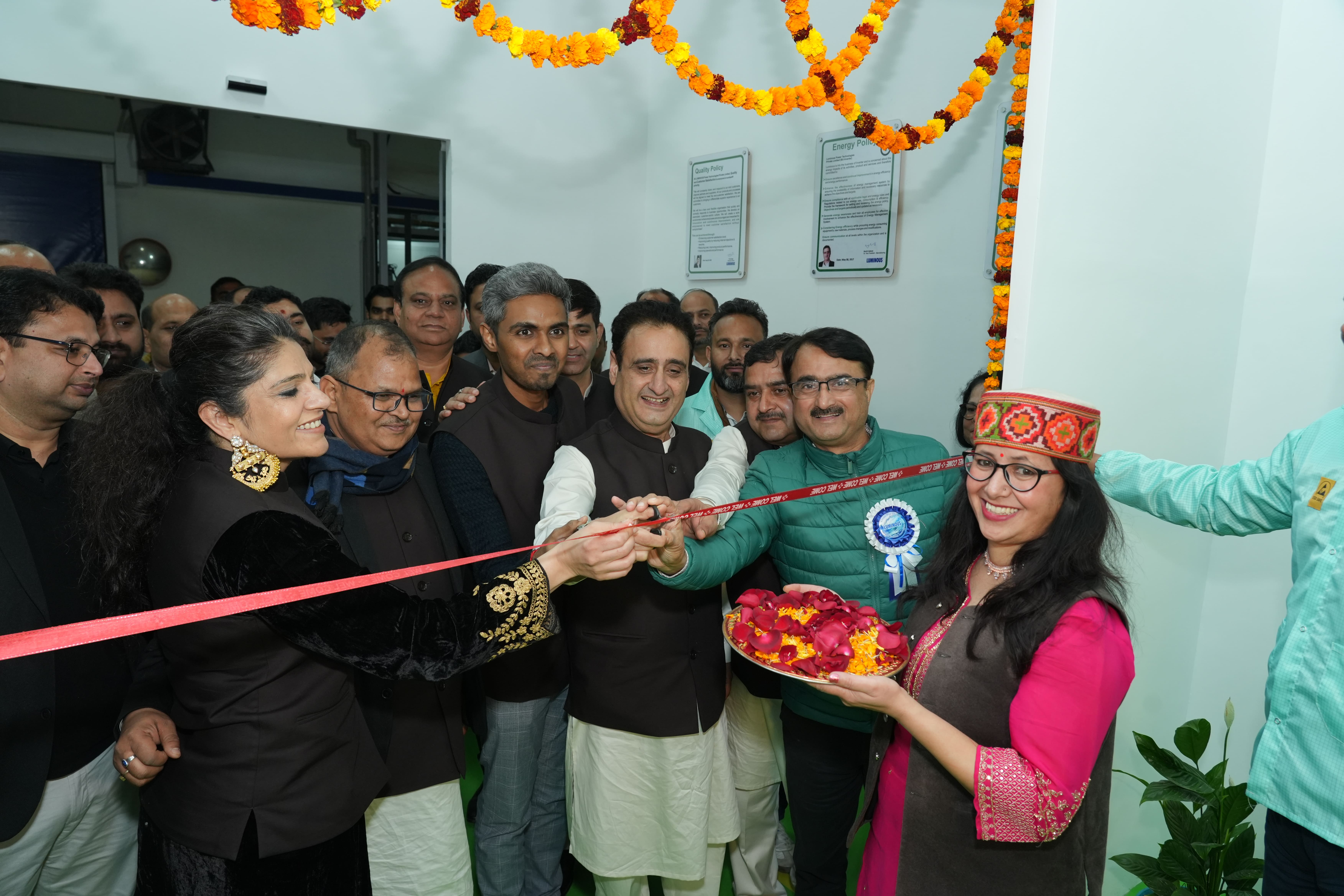
Mumbai, Feb 01st: Luminous Power Technologies, India’s leading consumer energy fulfillment company, has inaugurated its first lithium-ion battery assembly line at Baddi, Himachal Pradesh. This new assembly line marks an important milestone in Luminous’ long-term journey of strengthening advanced energy storage capabilities and reinforces the organisation’s commitment to adopting the latest next-generation energy solutions. 

The newly inaugurated Lithium-ion assembly line has a production capacity of 500 MWh and integrates advanced robotic automation with precision-led manufacturing processes to ensure high standards of quality, safety, and performance across lithium-ion battery packs. 

Rajiv Ganju, Sr. Vice President, Manufacturing & Global Supply Chain, Luminous Power Technologies, said, “At Luminous, manufacturing is a core pillar of our brand promise to deliver reliable, high-quality energy solutions at scale. The inauguration of this advanced lithium-ion battery assembly line strengthens our integrated manufacturing and global supply chain capabilities, while reinforcing our focus on precision, localisation, and future-ready operations. This facility reflects how we are building resilient, technology-led manufacturing ecosystems to support India’s evolving energy needs.” 

The new assembly line can manufacture standalone lithium-ion battery packs, stationary Battery Energy Storage Systems (BESS), and automotive battery packs for e-rickshaw applications. The facility supports a capacity range from 1.2 KWh to 16 KWh for single battery packs, with system-level scalability up to 1 MWh, enabling diverse use cases across residential, commercial & industrial, and electric mobility segments. The assembly line also features end-to-end digital traceability of every battery pack, fully aligned with the latest Battery Aadhaar requirements, enabling complete lifecycle tracking and strengthening regulatory compliance, transparency, and consumer confidence. 

Ganesh Moorthi, Chief Technology Officer, Luminous Power Technologies, said, “The new lithium-ion battery assembly line marks the beginning of a long-term journey for Luminous as we continue to strengthen our capabilities in next-generation energy technologies. Designed to support standalone battery packs, stationary BESS, and e-rickshaw applications, the facility integrates advanced automation with multiple first-of-its-kind quality evaluation technologies. Combined with end-to-end digital tracking aligned with the latest Battery Aadhaar requirements, this assembly line enables us to deliver lithium-ion solutions that meet high standards of safety, reliability, and performance while remaining scalable for future needs.” 

Beyond manufacturing excellence, the Lithium-ion assembly line contributes meaningfully to Luminous’ sustainability objectives. The new Assembly line will play a critical enabling role by supporting renewable energy storage, reducing carbon emissions through EV and grid applications, improving manufacturing efficiency through automation, and supporting circular economy practices through recycling and reuse of battery components. 

The new assembly line is expected to generate employment, contributing to local economic development in the region. The operationalization of the lithium-ion battery assembly line is an important step towards strengthening the brand position as a full-stack consumer energy fulfillment company, supporting India’s transition towards cleaner, more efficient, and future-ready energy systems.

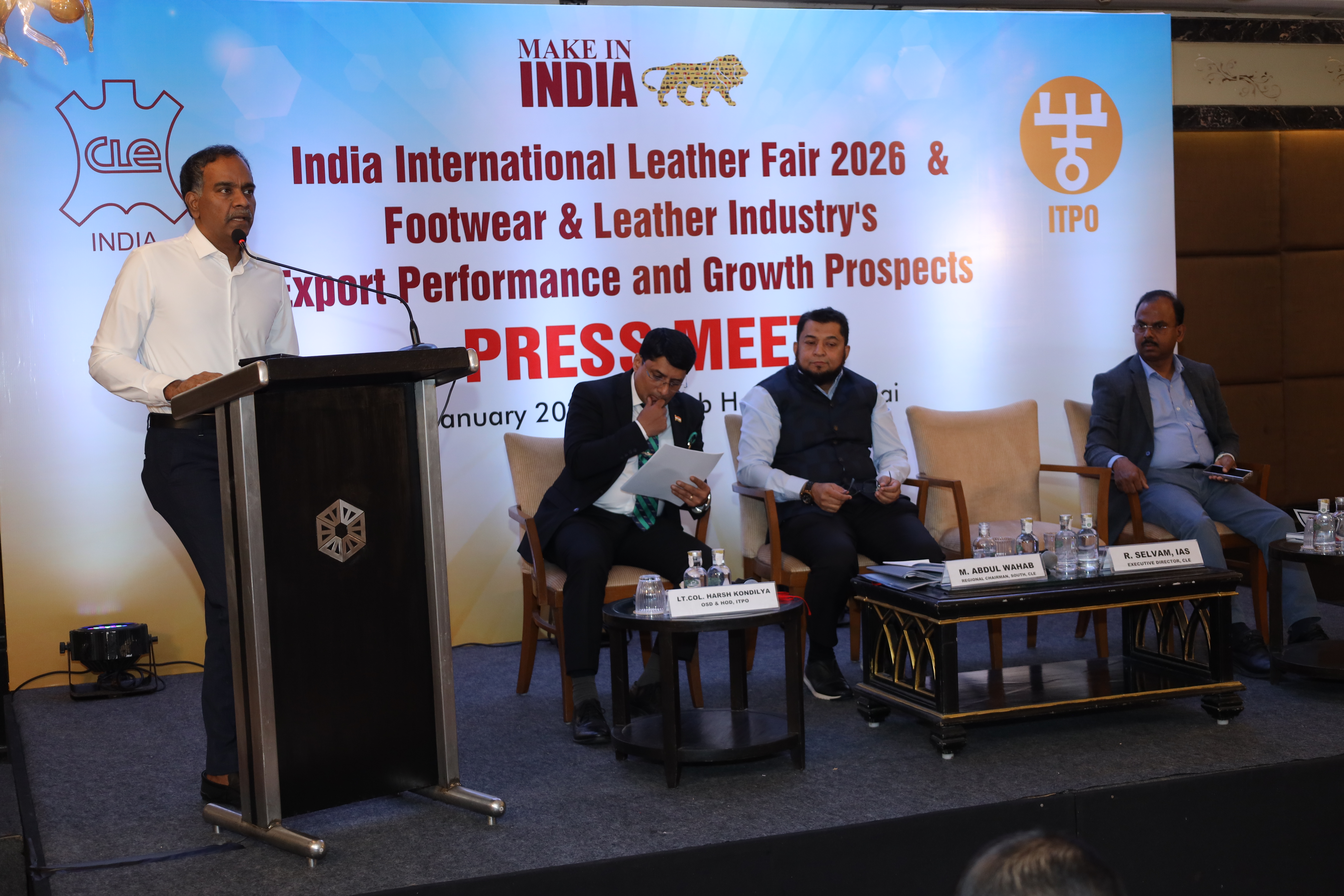
Chennai to host 39th India International Leather Fair 2026 and concurrent events


Chennai, Feb 1: “India International Leather Fair (IILF) has not only served as the biggest display platform of state-of-the-art technologies and innovations, but has been the flag bearer of the Indian footwear and leather industry, reflecting its huge growth. The fair has always attracted huge participation of exhibitors and visitors from India and abroad and has the distinction of being the first fair held at the Chennai Trade Centre, way back in 2001” said Shri Ramesh Juneja, Chairman, Council for Leather Exports (CLE).

Inauguration of the IILF 2026 is scheduled at 10.30 am on February 1, 2026 at the foyer area of new halls 2 & 3 in Chennai Trade Centre. The fair will display the entire range of products relating to leather and footwear industry from raw materials to finished products. Germany and Italy will be having their country pavilions. Like last year, IILF 2026 will have exhibition stands in the newly built halls also.

 Shri Ramesh Juneja added “At a time when India is looked upon as a major production and sourcing hub, IILF will provide a major platform for display of modern technologies and for entering into short term and long-term business tie-ups. I am happy to note that IILF 2026 has attracted more than 425 national exhibitors and about 67 exhibitors from overseas countries”

 Shri R. Selvam, Executive Director, CLE said “The India – EU Free Trade Agreement is a major boon to the Indian footwear and leather industry as European Union is our largest market contributing for 43% of exports. The India EU FTA with 0% import duty in EU for footwear and leather sector will open-up new opportunities for our exporters and will help in achieving our envisaged export target of USD 14 billion by 2030. The India – EU FTA will enhance India – EU co-operation, not only in the area of sourcing but also in the area of investments”.

 Shri R. Selvam, Executive Director, CLE added “We have also requested the Government to implement the Focus Product Scheme for the entire footwear and leather sector, covering all product segments as well as critical inputs and raw materials, so as to develop the entire production eco system in the country and to attract national and overseas investments. Implementation of this scheme is very important to achieve our envisaged turnover target of USD 50 billion by 2029-30 (which includes domestic turnover of USD 36 billion and export turnover of USD 14 billion), as against existing turnover of USD 24.6 billion during 2024-25 (which includes domestic turnover of USD 19 billion and export turnover of USD 5.6 billion)

Shri M. Abdul Wahab, Regional Chairman (South), CLE said “During IILF, CLE is also organising the concurrent event “Designer Fair” at the Convention Centre in Chennai Trade Centre (Stand Numbers CC 10 A to E). The Designers Fair will witness the participation of overseas designers from Italy, USA and Portugal. This fair will provide opportunity to Indian manufacturers and exporters to meet popular designers and explore long term tie-ups for design development”.

Shri R. Selvam, Executive Director, CLE said “As part of export promotion efforts, CLE has organized 17 overseas export promotion events during April 2025 to January 2026, in ten countries namely Italy, UAE, UK, Australia, Bangladesh, Russia, Poland, China, Vietnam and Malaysia. During February and March 2026, we are planning to organize ten more overseas marketing events. Our events have helped in not only promoting the image of India as a reliable supplier of high quality products, but also in forging short term and long term business tie-ups”

Shri R. Selvam, Executive Director, CLE added “The huge growth potential of the industry has resulted in many foreign investments coming to India, particularly in the footwear sector. There is huge scope to get more investments and joint ventures in the products and also in the components sector. CLE has also organized investment promotion events in many countries including China, Taiwan, Vietnam, Japan, Poland, UK and Russia. The increasing interest shown by foreign companies to establish their production units in India is a very good sign as this will not only enhance our exports, but will also strengthen our supply chain”

Shri Ramesh Juneja, Chairman, CLE added “We thank the Government of India for the wonderful support provided to the leather & footwear industry. You are aware that the Government has announced tax rationalization measures in Union Budget 2025-26. This includes removal of 20% export duty on crust leathers and 10% import duty on wet blue leathers. We have requested the Government to remove the 10% import duty for crust and finished leathers also. We hope that this will be favourably considered in the upcoming Union Budget 2026-27. This will be a major support measure for promoting manufacture and export of value added products from the country”.

On the whole, the India International Leather Fair 2026 and concurrent events will witness series of events which will open-up new window of opportunities for the overall growth and development of Indian leather and footwear sector.