Pic Credit: Pexel
Modern life moves at a remarkable pace. Smartphones keep us connected, social media keeps us informed and digital platforms have made work and communication easier than ever. Yet, the same technology that brings convenience can also make it difficult to switch off.
In the middle of constant messages, notifications and information, meditation is becoming a simple way for people to create a moment of calm.
When being connected becomes overwhelming
Technology has transformed everyday life, but staying connected all the time can leave people feeling mentally crowded. Emails, messages, social media updates and breaking news can make it difficult to give full attention to one thing at a time.
This has increased interest in practices that encourage people to slow down and become more aware of the present moment. Meditation offers one such approach.
It does not require people to completely escape modern life. Instead, it creates a small pause within it — a few minutes to sit quietly, breathe and observe what is happening without immediately reacting.
Meditation finds a new audience
Meditation itself is an ancient practice, but the way people are discovering it has changed. Younger generations, working professionals and people dealing with demanding routines are increasingly exploring meditation through guided sessions, mindfulness programmes and online communities.
For beginners, the idea of meditation can sometimes seem complicated. Digital platforms have helped make it more approachable by offering short sessions that can fit into a busy day.
A person can choose a five-minute breathing exercise in the morning, a guided relaxation session during a break or a calming practice before going to bed.
Technology can be both the problem and the solution
There is an interesting contradiction at the heart of digital meditation.
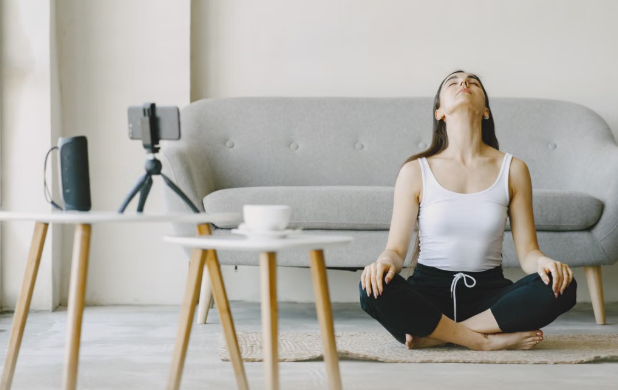
The same smartphone that constantly demands attention can also provide a guided meditation session. Apps and online platforms have made meditation available to people who may never have attended a traditional class.
But technology can also interrupt the practice. A notification, incoming message or temptation to check another application can quickly break concentration.
This is why using technology mindfully matters. Turning off notifications, putting the phone on silent or using a dedicated device-free space can help create a clearer boundary between meditation and everyday digital activity.
Meditation does not require an empty mind
For many beginners, one of the biggest challenges is the expectation that meditation means completely stopping thoughts.
In reality, thoughts naturally come and go. Meditation can simply involve noticing them and gently returning attention to the breath, sounds or another chosen point of focus.
This makes the practice less about achieving perfect silence and more about developing awareness.
Even a short session can become a personal pause in an otherwise busy day.
Traditional practice meets modern convenience
Digital tools have not replaced traditional meditation. Instead, they have created another way to access it.
People can learn about different techniques through online classes while still practising traditional breathing exercises, mindfulness or quiet reflection. Others may eventually choose to attend in-person sessions or learn from experienced teachers.
The important thing is finding a method that feels practical and sustainable rather than treating meditation as another task to complete.
What comes next?
Technology is likely to play an even greater role in the future of meditation. Personalised digital programmes, wearable devices, virtual environments and other emerging technologies could offer new ways to support people as they develop a regular practice.
But the central idea is unlikely to change.
Meditation is ultimately about creating a little space between ourselves and the noise around us. Technology can help people discover the practice, but the quiet moment itself remains deeply personal.
In an increasingly connected world, perhaps the appeal of meditation lies in something very simple: the opportunity to put everything down for a few minutes, take a breath and simply be present.
