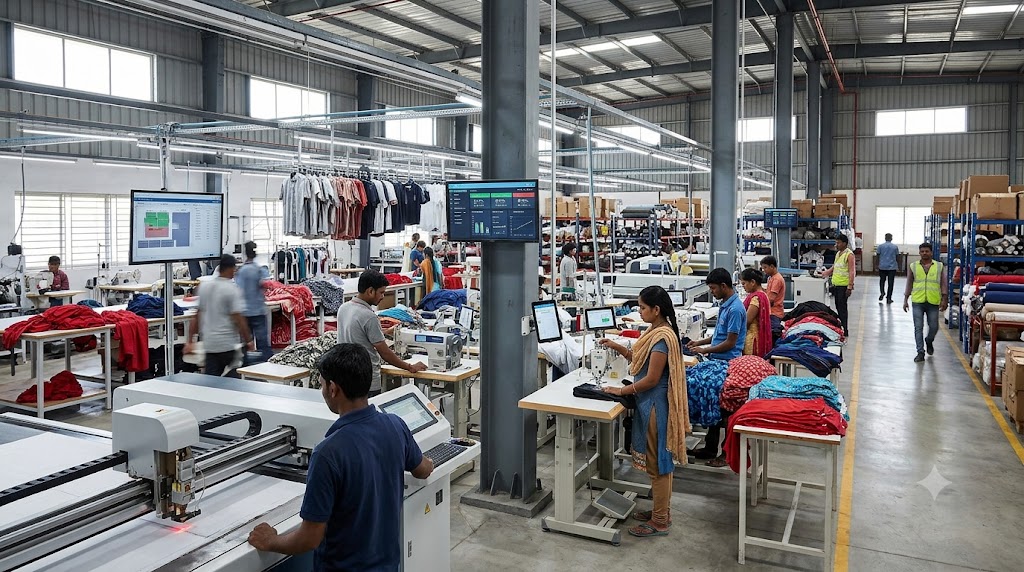
The fashion industry is entering a new phase of transformation as manufacturers increasingly turn to technology to improve production, manage costs and respond to changing consumer preferences. From digital design and automated cutting to artificial intelligence-powered demand forecasting, technology is changing how clothing is designed, manufactured and delivered to customers.
For fashion businesses, the shift goes beyond adopting new machinery. It involves building more connected supply chains that link raw material suppliers, factories, warehouses, retailers and customers. As competition intensifies and expectations around affordability, quality and sustainability grow, technology-enabled manufacturing is becoming an important part of long-term business strategy.
Digital Manufacturing Reshapes Production
Traditional garment manufacturing often depends on labour-intensive processes, manual quality checks and production schedules that can be difficult to adjust quickly. Digital tools are helping manufacturers improve these operations by making production more visible, consistent and flexible.
Computer-aided design, automated fabric cutting, digital pattern-making and advanced sewing technologies can help reduce material wastage and improve production accuracy. These systems also make it easier to modify designs and manage smaller production batches in response to market demand.
Automation is unlikely to replace every manual task in garment manufacturing, where stitching, finishing and handling different fabrics often require human skill. Instead, its value lies in supporting workers, reducing repetitive tasks and improving productivity in areas suited to mechanisation.
For manufacturers, the commercial benefits can include shorter production cycles, better resource utilisation and greater consistency in product quality.
Artificial Intelligence Improves Demand Forecasting
One of the fashion industry’s biggest challenges is predicting what customers will buy. Trends can change quickly, leaving businesses with excess inventory of unpopular designs while popular products run out of stock.
Artificial intelligence and data analytics can help businesses assess sales patterns, seasonal demand, customer preferences and inventory movements. These insights can support better purchasing decisions, production planning and stock allocation.
More accurate forecasting can reduce the financial burden of unsold inventory and markdowns, which often affect fashion retailers’ margins. It can also help manufacturers coordinate production with retailers’ requirements, avoiding unnecessary output and last-minute changes.
However, these systems depend on reliable data and careful human oversight. Fashion trends remain difficult to predict, and businesses must balance algorithmic recommendations with market knowledge and creative judgement.
Technology-Enabled Supply Chains Strengthen Efficiency
Fashion supply chains often span multiple countries and involve several stages, from fibre production and fabric processing to garment assembly and distribution. Delays at any stage can affect delivery schedules and increase operating costs.
Digital supply chain platforms can provide better visibility into orders, inventory, supplier performance and shipment status. By sharing information across business partners, companies can identify bottlenecks earlier and respond more quickly to disruptions.
Cloud-based systems, connected inventory tools and digital tracking can also improve coordination between manufacturers and retailers. This is particularly valuable for businesses managing multiple suppliers or serving customers across different markets.
Greater supply chain visibility can help companies make informed decisions about sourcing, production locations and delivery schedules. It can also improve their ability to meet buyer requirements for product traceability and compliance.
Sustainability Becomes a Business Priority
Environmental concerns are encouraging fashion businesses to reconsider how they use materials, energy and water. Excess production, textile waste and inefficient processes can increase both environmental impact and operating expenses.
Technology can support more responsible manufacturing through digital fabric planning, improved cutting accuracy, material tracking and better inventory management. These measures can help reduce avoidable waste and make production more resource-efficient.
Digital records can also improve visibility into the origin of materials and the movement of products through the supply chain. This can support businesses seeking to demonstrate responsible sourcing and meet changing customer and regulatory expectations.
However, technology alone cannot make fashion manufacturing sustainable. Progress also depends on material choices, product durability, worker welfare, energy sources and responsible purchasing practices.
Opportunities for India’s Textile and Apparel Industry
India’s textile and apparel sector has an opportunity to strengthen its position in domestic and international markets by combining manufacturing expertise with digital capabilities. Technology adoption can help factories improve quality, manage orders more efficiently and respond to buyers seeking shorter lead times and greater production flexibility.
For micro, small and medium enterprises, the transition may begin with affordable digital tools rather than large automation investments. Basic production management software, digital inventory records and data-driven planning can improve visibility and reduce operational inefficiencies.
Access to finance, technical skills, reliable digital infrastructure and employee training will remain important to wider adoption. Collaboration among manufacturers, technology providers, suppliers and industry institutions can help smaller businesses modernise without placing excessive pressure on their budgets.
Challenges in Building Smarter Supply Chains
Despite the potential benefits, technology adoption presents financial and operational challenges. Equipment upgrades, software integration, cybersecurity and workforce training can require significant investment. Smaller manufacturers may also struggle to connect new systems with existing processes or obtain reliable data from suppliers.
Businesses therefore need a clear implementation strategy. Prioritising high-impact areas, training employees and measuring improvements in productivity, quality, waste and delivery performance can help ensure that technology investments generate tangible returns.
The Road Ahead
The future of fashion manufacturing will depend on how effectively businesses combine technology, skilled labour and responsive supply chain management. Automation can improve production efficiency, artificial intelligence can support better planning, and digital platforms can strengthen coordination across the value chain.
For fashion manufacturers, the goal is not simply to produce garments faster. It is to build operations that are more flexible, cost-effective and responsive to changing demand.
Businesses that invest strategically in digital capabilities while maintaining product quality and responsible manufacturing practices will be better positioned to compete in an increasingly demanding global market.
