• Bhubaneswar India
  • Contact+ 91-9938772605
  • Mon - Sat : 10:00AM - 6:00PM

All posts by Rabindra

5 cutting-edge solutions for universal semantic layer for enterprise data: breaking the barriers of BI tools

Business leaders recognize the power of data-driven decisions. Yet, an ocean of organizational data and low trust of its sources hinder tapping the true value of this data. Leaders are looking forward to solutions, but find the reports generated by BI applications lacking in specific decision intelligence that they need. These findings are part of a 2023 global study conducted by Oracle and Seth Stephens-Davidowitz, a New York Times bestselling author.

The frustrations and dilemma stem from the complexities involved with organizing, preparing and making data ready for consumption by various analytical and BI tools. In large enterprises, the proliferation of data sources and legacy silos add to the chaos. With multiple tools used in the consumption layer by various departments, each having their own data definitions, reports are inconsistent, and hence, not trusted. A simple example would be in defining the term “revenue” which may be calculated in completely different ways in finance and sales reports, when pulled out of two different BI tools.

As enterprise data complexities grow, the universal semantic layer (USL) has emerged as a mature solution for this challenge. A USL is a separate layer in the stack which elegantly and efficiently integrates various data sources like lakes, warehouses or tables. Then, using common and universally defined business semantics, it creates a single source of truth that is available and accessible to all the tools in the consumption layer. It also maintains common business descriptions for all data elements and converts complex underlying data structures into terms and constructs that are intuitive for business users. In addition, a USL references the underlying data while ensuring centralized application of calculations and business rules, without altering the source system. It also enables centralized data governance and role-based access control, with control and auditing.

USL empowers business users to perform self-service analytics on large datasets. By leveraging technical advancements in OLAP and AI, the USL can enhance processing speed while reducing cloud storage and compute costs through techniques like pre-aggregation and caching. Let’s take a look at five products that offer the capability to build a USL for enterprise data.

Denodo 

Denodo is a data virtualization platform that connects to multiple data sources through data blending, federation, selective materialization, full replication, streaming and runtime joins. It combines these sources to simulate a semantic layer. For a comprehensive control and auditing of data activity, the application of governance and security policies is centralized in Denado.

Denodo’s logical data abstraction layer represents data assets in an abstracted form, detached from their source systems. It features a smart query accelerator, a multi-source query optimizer, an MPP engine and AI-driven acceleration. However, queries are executed at the source and aggregated together later which makes it slow, with degrading performance benchmarks seen with larger datasets or complex queries. Since this is an in-memory system, the processing costs increase exponentially as number of queries grow.

Denodo started as a data integration platform/ETL tool and gradually grew its stack into the semantic layer space. However, it lacks the maturity and advanced capabilities that modern enterprises need to deal with growing data volumes, complexities and concurrent users. Its architecture fails to deliver on the promise of high-speed analytics at optimized querying costs.

Kyvos 

Kyvos is a Gen AI powered semantic layer that offers high-speed access to on-premises as well as on-cloud enterprise data for AI and analytics initiatives. It has been benchmarked to manage vast data volumes and query loads, ensuring sub-second queries on billions of rows for thousands of concurrent users, with no performance degradation. The platform has a comprehensive and modern suite of features as a universal semantic layer, such as AI-powered aggregation, caching and AI-driven self-tuning to optimize resource consumption.

Kyvos’ key strength is in its price-performance of querying models and scaling of analytics, claiming 3x reduction on cost for 100x faster performance. The platform processes data in advance that is used by optimized data models, allowing users to query these models multiple times, leading to faster performance and reducing compute costs at runtime.

From an analytics standpoint, Kyvos’ advanced OLAP features on cloud, including unbalanced and ragged hierarchies, parent-child hierarchies, alternate hierarchies and custom rollups, enabling users to analyze data from a big-picture perspective down to granular detail.

Kyvos facilitates the seamless building of semantic models on incremental data, leveraging its distributed architecture and horizontal scalability. This approach allows for the addition of any number of columns, dimensions or measures to the model without imposing limitations or causing disruptions.  Kyvos also offers advanced multidimensional modeling, conversational analytics with rich context and native LangChain connector for building AI-powered apps.

Dremio 

Dremio is a data lakehouse platform for SQL-based analytics, based on community-driven standards like Apache Iceberg and Apache Arrow. Dremio promises high performance, self-service access to data anywhere—be it on-premises, hybrid or in the cloud—with no data movement. Apache Iceberg is the data catalog used in Dremio and offers automated data optimization features. The platform also facilitates the modernization of legacy Hadoop infrastructure into a more scalable and flexible lakehouse platform.

Organizations can build a distributed data architecture with a single solution for data mesh using Dremio. It acts as a universal semantic layer by unifying data access, establishing semantic consistency and ensuring unified security and governance across heterogeneous data sources and formats.

Dremio, however, incurs high querying costs and faces performance issues while handling large datasets, complex queries and high-concurrency workloads due to its distributed computing and in-memory processing.

AtScale 

AtScale provides a universal semantic layer for defining business metrics independently from BI tools and cloud data platforms. AtScale’s semantic models are based on Semantic Modeling Language (SML), a YAML-based modeling language. It aims to deliver interactive query response while minimizing load and concurrency across operational data. It also centralizes governance and control, while enabling federated analytics consumption.

The platform allows users to interact directly with data using their tool of choice, promoting a culture of self-service analytics. It provides composable analytics features enabling distributed teams to create, govern and share business definitions using an object-oriented approach. Complex models can be assembled using plug-and-play semantics from a controlled library of semantic objects that include dimensions, metrics and calculations.

Some users have reported that AtScale is challenging to implement. It is built to work with Apache Hadoop, and this dependence is an issue for organizations that may need to tweak their tech stack to accommodate the implementation.

Starburst 

Starburst is an open data lakehouse platform offering the performance of a data warehouse and the scale of a data lake on a fully managed, multi-cloud platform. The platform supports deployment in various cloud environments such as AWS, Azure and Google Cloud, providing a single point of access to all data.

This lakehouse analytics platform is built on top of Trino, previously known as Presto SQL. Users can provision, scale and manage and deploy optimized Trino clusters and automatically scale them based on workload needs.  It offers features such as a universal interface for faster data discovery, built-in access controls and data governance and self-service capabilities.

Starburst data products partially work as a semantic layer, offering curated datasets for specific use cases only. In addition, it is a compute-intensive, in-memory solution. It does not suffice the enterprises requirements for a unified and standardized view of large-scale data across departments. Instead of a single semantic layer, Starburst requires creating multiple SQL queries and views to support data at scale, which results in high maintenance and costs.

4 HRTech Startups Revolutionizing Recruitment at the Forefront of the AI Revolution

The rise of Artificial Intelligence (AI) with its human-like capabilities has triggered a significant transformation across many industries. Growing at an impressive 20% annual rate over the past five years, according to a survey by BBC Research, AI, which uses software to mimic human intelligence, is revolutionizing various sectors. However, it is important to recognize that AI is not poised to replace the core of human-centric roles such as recruiting or the essential aspects of empathy and human connection. The field of HR thrives on personal interaction, making it resistant to complete automation. The use of technology, like chatbots for automating routine tasks and cloud-based collaborative tools, effectively supports HR functions, allowing professionals to focus on higher-value tasks.

The global human resource (HR) technology market size was valued at USD 37.66 billion in 2023 and is projected to grow from USD 40.45 billion in 2024 to USD 81.84 billion by 2032, exhibiting a compound annual growth rate (CAGR) of 9.2% during the forecast period (2024–2032). With rapidly evolving work patterns, HR teams have had to adopt innovative strategies to meet shifting workforce expectations. A notable trend in HR technology is the emphasis on AI-driven recruitment solutions. These advanced systems utilize machine learning algorithms to analyze vast data sets, helping recruiters identify the best candidates more efficiently while reducing biases and enhancing candidate engagement.

As AI transforms recruitment through personalized communication, streamlined onboarding, and enhanced workforce analytics, the HR tech landscape is evolving at a rapid pace. Companies that integrate AI in recruitment, training, performance management, and workforce planning are better positioned to attract, retain, and develop top talent. The startups at the forefront of this revolution are redefining how HR departments operate, helping businesses succeed in a competitive global market.

We have narrowed down the list of 4 HR tech startup that clout the technology to revolutionize HR industry globally in 2024:

ixceed solutions


iXceed Solutions:  iXceed Solutions is a leading Talent and Workforce Solutions service provider to Fortune 500 companies globally focussing on Technology, IT Consulting, Engineering Consulting domains. iXceed has been functioning as one of the leading end-to-end recruitment solutions Internationally(UK), now operational in the Indian market.

It uses an efficient and robust process to develop solutions in the recruitment space. The facilities are primarily tech-skill-based, and customer satisfaction is always based on the best fit for the industry. The company uses Artificial Intelligence-based recruitment solutions to create a best-in-class experience for both the clients and candidates. Some of their clients are- Infosys, HCL, Oracle, Mindtree, NIIT, etc. It is co-founded by Yogita Tulsian, who is also its Director.

freshworks

Freshworks: Freshworks makes it fast and easy for businesses to delight their customers and employees.Taking by a fresh approach to building and delivering software-as-a-service that’s affordable, quick to implement, and designed for the end-user. Unlike legacy software, Freshworks builds tech that works for everyone, making it easy for IT, customer service, sales, marketers and HR to do their job and delight their customers.They provide services in Australia, Germany and UK.

keka-hr

Keka: Founded in 2015 by Vijay Yalamanchilli, Keka has swiftly become India’s premier HR tech platform for small to medium-sized enterprises. With a team that has grown to over 550 professionals, Keka offers a complete solution, automating HR processes, and streamlining payroll, recruitment, leave management, and performance evaluation. Serving over 6500 customers globally, across sectors like IT services, pharmaceuticals, manufacturing, and more, Keka manages payroll for 1.5 million employees worldwide, leaving a significant mark on the HR tech landscape.

Instahyre

Instahyre: AI-enabled Instahyre is helping Fortune 100 companies and unicorn startups to up their recruitment game. Instead of having to waste hours on applying filters to search for the right candidates and then checking if they are interested, Instahyre provides the recruiter with a curated list of candidates ready for hire from its premium database through their technology Instamatch.

MAMI is gearing up for the 2024 edition of MAMI Mumbai Film Festival

MAMI Mumbai Film Festival, one of Asia’s most prestigious cinematic events, is set to dazzle audiences with its 2024 edition between 19 October and 24 October. It promises a spectacular six-day celebration of world cinema, community, creativity, and culture.

As every year, the team at MAMI brings yet another fantastic line-up of over 110 films in more than 50 languages, including features and non-features in all genres, from across the world to the city of Mumbai. PVR INOX and Regal Cinema continue to support the festival with screening venues.

Mumbai Film Festival 19th October to 24th October 2024

Interim Festival Director, Shivendra Singh Dungarpur said, “As an independent charitable organisation MAMI relies entirely on the generosity of its partners and sponsors. The scale of each edition of the festival depends solely on the extent of the support we receive during the year. We are extremely grateful to each and every partner that has stood with us this transition year so that we can continue to bring the best of independent and world cinema to our wonderful audiences in the 2024 edition of MAMI Mumbai Film Festival.”

Sections at the festival will include South Asia Competition, Focus South Asia (Non-Competition), World Cinema, Tributes, Restored Classics, Gala Premieres, Masterclasses, Dimensions Mumbai and Royal Stag Barrel Select Large Short Films. The curation will consist of over 20 World Premieres, 25+ Asia Premieres and 35+ South Asia Premieres.

From 21-23 October, the Festival will host an Industry Programme, in partnership with MAMI’s Community Partner, Soho House Mumbai. The three-day programme of events aims to inspire the city’s vibrant film talent with a variety of headline talks and immersive workshops.

The awards at the 2024 edition of the festival will include the South Asia Competition, NETPAC Award, Excellence in Cinema, Rashid Irani Young Critics Choice Award, Film Critics Guild Gender Sensitivity Award, Dimensions Mumbai, Royal Stag Barrel Select Large Short Films and Best Book on Cinema.

Artistic Director, Deepti DCunha said, “Once again this year we have achieved a fantastic curation consisting of the most anticipated and acclaimed titles from World Cinema that will show for the very first time in India, at MAMI. We were overwhelmed by the huge number of submissions from South Asia and the South Asian diaspora, and are delighted to see that South Asian filmmakers across the world are finding value in bringing their films to our Competition and Focus South Asia sections. This has strengthened our faith in our vision to provide a common platform to highlight films that champion the South Asian voice.”

MAMI’s Year Round Programme in 2024 has had a fantastic run with Previews of to-be-released films, and initiatives like MAMI Select: Filmed on iPhone, Colorist Workshop (Focus: Women Colorists), Word to Screen Market (South Asia), Best Book on Cinema and the Rashid Irani Young Critics Lab.

MAMI will shortly announce the official selection, and open delegate badge registrations for the festival. See you at the movies!

Honeywell to Develop Artificial Intelligence-Enabled Agent Powered by Qualcomm

INDIA, September 24, 2024 – Honeywell (Nasdaq: HON) today announced that it is working to develop an artificial intelligence (AI)-enabled Multi-Modal Intelligent Agent for Honeywell mobile devices powered by Qualcomm Technologies, Inc. The agent will allow workers and customers in the distribution center and retail industries to interact naturally with their handheld devices through voice, pictures, and barcodes.

Honeywell

This AI-powered solution is built to function as a digital resource for the modern labor force and designed to enable today’s stretched workforce to quickly tap into answers and outcomes, helping result in time savings, greater accuracy, and interactive results. The design and development of the Multi-Modal Intelligent Agent also supports Honeywell’s alignment of its portfolio to three compelling megatrends, including automation.

Workers will be able to enter data into the technology and then receive practical answers to queries like, “Do we have the gluten-free variant of this product in stock?” or “Where can I find this particular item in the store?” Depending on the question, users will receive responses in the form of an image, video, spoken response, text answer, or a combination of several modalities. This functionality is designed to enable workers to more efficiently complete their work while simultaneously navigating other ongoing tasks, such as assisting customers in a retail setting or performing multi-step workflows in a distribution center. The solution will be available to users through a software development kit that can integrate with an organization’s existing applications and systems.

“Utilizing our strengths in on-device generative AI, high-performance and low power computing, this collaboration with Honeywell underscores our commitment to pioneering innovative solutions that will propel the expansion of the connected intelligent edge,” said Nakul Duggal, group general manager, of automotive, industrial and embedded IoT, and cloud computing, Qualcomm Technologies, Inc. “Honeywell’s new Multi-Modal Intelligent Agent represents a significant step forward in utilizing advanced edge AI to streamline operations and elevate customer interactions across industries. This initiative enables us to drive digital transformation, enhancing how businesses interact with their environments through intelligent and responsive technology.”

“By pairing Honeywell’s easy-to-use mobile devices and intelligent software with Qualcomm Technologies’ industry-leading edge AI processors, Honeywell is creating solutions to make workers’ jobs easier while also helping businesses produce the stellar experience they want for their customers,” said Jason Urso, Honeywell Industrial Automation chief technology officer. “With AI, Honeywell is amplifying what’s possible for businesses with mobile workers today.”

The Multi-Modal Intelligent Agent is expected to be available in early 2025. To learn more about how Honeywell is leveraging AI across key industries, visit: https://automation.honeywell.com/us/en/solutions/productivity.

Meghalaya’s organic farming initiatives taking pace

Meghalaya, renowned for its verdant landscapes and rich biodiversity, is emerging as a key hub for organic farming in India. The state has embarked on various initiatives aimed at transforming agricultural practices and promoting sustainable livelihoods for its farmers. The state has been diligently implementing various schemes initiated by both the Central and State Governments to encourage the conversion of agricultural land into certified organic holdings. Notable among these initiatives is the Meghalaya Organic Value Chain Development for Northeastern Region (MOVCDNER) scheme, the State Organic Mission which has the ambitious objective of converting and sustaining 1 lakh hectares of land into certified organic. At present, 24,000 hectares of land have achieved organic certification, while an additional 8,000 hectares are in the conversion phase.

Meghalaya’s organic farming initiatives taking pace

To further support and consolidate these efforts, the Cabinet approved the Meghalaya State Organic and Natural Farming policy on 11th January 2023. The policy outlines key objectives, including promoting organic farming as a sustainable income-generating activity for farmers, facilitating capacity building, investment, and technology development, and increasing farmers’ income through training, value addition, and market linkage.

To drive the effective implementation of this policy, the Meghalaya Natural and Organic Society for Livelihood and Innovation in Agriculture (MEGNOLIA) was established on June 1, 2023. Registered under the Societies Registration Act, MEGNOLIA functions as the apex body under the Department of Agriculture and Farmers’ Welfare Government of Meghalaya responsible for overseeing, coordinating, and executing the Organic and Natural Farming Policy in Meghalaya. MEGNOLIA’s primary goals include managing the implementation of the policy, supporting Farmer Producer Organizations (FPOs) and Farmer Producer Companies (FPCs) to professionalize organic production and marketing, promoting agro-industrial growth rooted in ecological sustainability, facilitating technology transfer, and fostering knowledge sharing among stakeholders.

Certification plays a critical role in organic farming. In Meghalaya, certification bodies ensure that farming practices adhere to the rigorous standards set by national and international organizations. Meghalaya now has its own APEDA-certified organic certification agency, the Meghalaya State Organic Certification Body, under the Planning Department. This makes it only the second such agency in the Northeast, following the Sikkim State Organic Certification Agency. With this development, the organic certification process for our farmers becomes more streamlined, as they no longer need to rely on agencies primarily based in Western and Southern India.

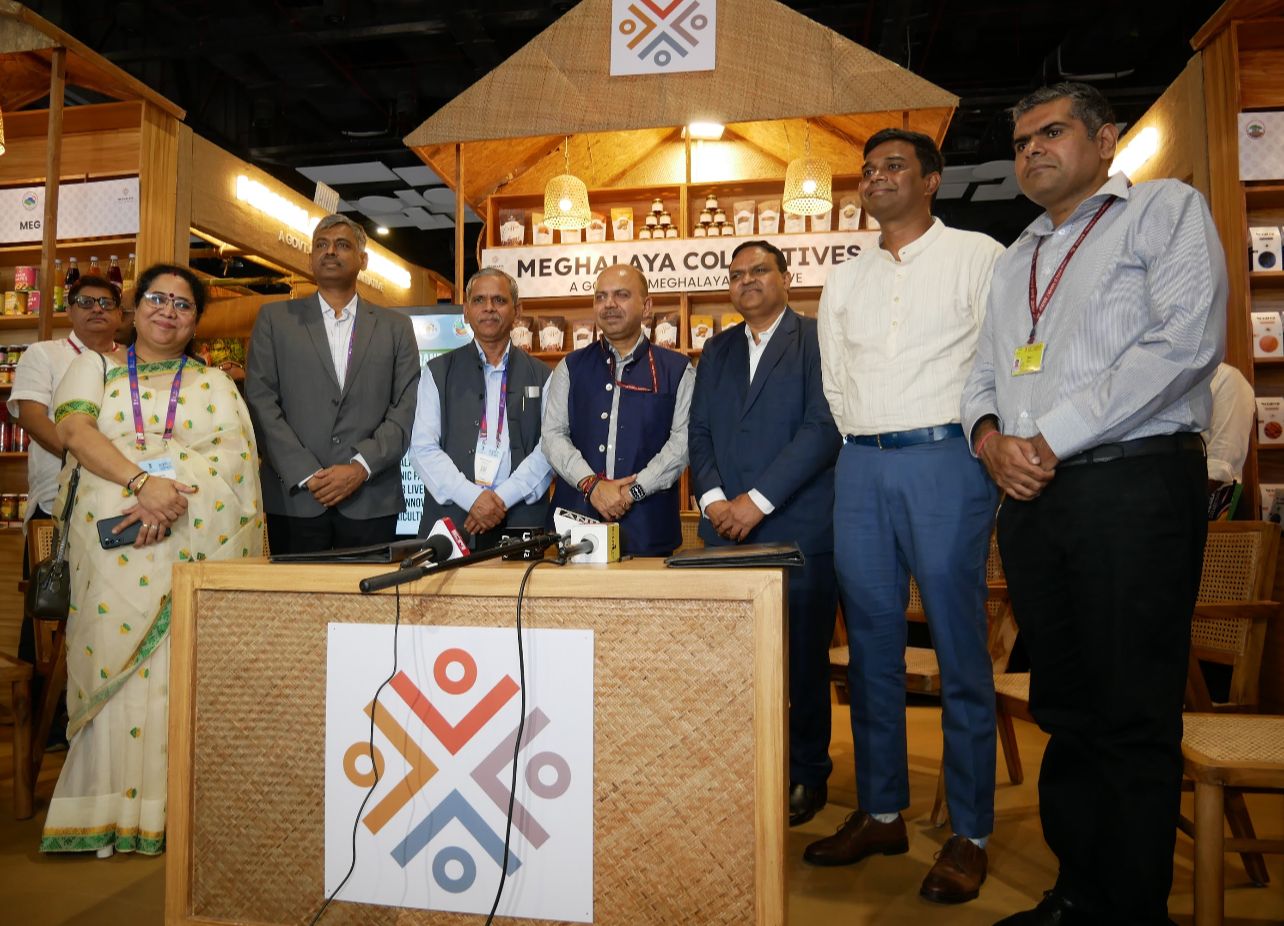
A major milestone in advancing Meghalaya’s organic farming sector was the signing of a Memorandum of Understanding (MOU) between MEGNOLIA and the National Cooperatives of Organic Limited (NCOL) on September 20, 2024 in the World Food India 2024. This partnership seeks to improve the procurement, marketing, and sale of organic products from Meghalaya. As part of the MOU, MEGNOLIA will link certified organic farmers with NCOL, help them obtain procurement approvals, and cover the costs of organic certification. In turn, NCOL will purchase organic products from these farmers, manage logistics, and ensure direct compensation to both farmers and service providers. This collaboration marks a significant step toward establishing a sustainable and profitable organic farming model in Meghalaya, improving farmer livelihoods while fostering environmental stewardship.

The government’s initiatives, embodied in the organic farming policy and led by MEGNOLIA, signal a bright future for organic agriculture in Meghalaya. Strategic partnerships, such as the one with NCOL, position the state to meet the growing demand for organic produce and champion sustainable farming practices that benefit both farmers and the environment.

How Sustainable Technologies Are Transforming Commercial Office Elements and Building Practices

Mr Sunil Bedi, Founder, JMD Group

The drive towards sustainability has become a defining characteristic of modern architecture and commercial building practices. As environmental concerns take center stage, businesses and developers are increasingly adopting sustainable technologies that not only reduce their carbon footprint but also enhance efficiency and long-term cost savings. This transformation is reshaping the way commercial spaces are designed, constructed, and maintained.

The Rise of Sustainable Building Practices

Sustainable building practices involve the integration of eco-friendly technologies and materials into the construction and operation of commercial buildings. These practices are guided by principles such as energy efficiency, resource conservation, and minimal environmental impact. The result is a new generation of office buildings that are not only environmentally responsible but also healthier and more productive for occupants.

Key Sustainable Technologies in Commercial Spaces

  1. Energy-Efficient Lighting and HVAC Systems: One of the most significant areas of transformation is in lighting and heating, ventilation, and air conditioning (HVAC) systems. Modern commercial buildings are increasingly incorporating LED lighting, which consumes significantly less energy and has a longer lifespan compared to traditional lighting. In addition, smart HVAC systems use sensors and automation to optimize temperature and airflow, reducing energy consumption and enhancing comfort.

  2. Green Building Materials: The choice of materials plays a critical role in sustainable construction. Materials like reclaimed wood, recycled metal, and low-VOC (volatile organic compound) paints are becoming standard in green building projects. These materials not only reduce the environmental impact but also contribute to better indoor air quality and occupant health.

  3. Water Conservation Technologies: Water efficiency is another crucial aspect of sustainable office buildings. Technologies such as low-flow fixtures, water recycling systems, and rainwater harvesting are helping commercial spaces reduce their water consumption. These innovations are essential in areas where water scarcity is a growing concern and contribute to the overall sustainability of the building.

  4. Renewable Energy Integration: The integration of renewable energy sources, such as solar panels and wind turbines, is becoming increasingly common in commercial buildings. These technologies enable offices to generate their own clean energy, reducing dependence on fossil fuels and lowering greenhouse gas emissions. In some cases, buildings can even produce surplus energy that can be fed back into the grid.

  5. Smart Building Management Systems: The rise of the Internet of Things (IoT) has given birth to smart building management systems that allow for real-time monitoring and control of energy usage, lighting, security, and more. These systems provide valuable data that can be used to optimize building operations, reduce waste, and improve overall efficiency.

The Impact on Office Design and Employee Well-Being

Sustainable technologies are not just about reducing environmental impact—they also enhance the quality of the work environment. Natural light, improved air quality, and comfortable temperatures contribute to a healthier and more productive workspace. Studies have shown that employees in green buildings report higher levels of satisfaction, well-being, and productivity, leading to better overall business performance.

Furthermore, the adoption of sustainable technologies aligns with the growing demand for corporate social responsibility. Companies that prioritize sustainability can enhance their brand image, attract top talent, and meet the expectations of environmentally conscious clients and investors.

Conclusion

The integration of sustainable technologies into commercial office elements and building practices is no longer a trend—it’s a necessity. As businesses and developers recognize the long-term benefits of sustainability, we can expect to see even greater innovations in this field. From energy efficiency to smart building management, these technologies are transforming the commercial real estate landscape, paving the way for a more sustainable and prosperous future. The commitment to sustainability is not just about protecting the environment; it’s about creating spaces that foster well-being, efficiency, and success.

Dreame Technology Launches Flagship X40 Ultra Robot Vacuum and Mop in India

Advanced Features like MopExtend RoboSwing Technology, Powerful 12,000 Pa Suction, and 7-in-1 Auto Base Station

India, 24th September 2024 – Dreame Technology, a leading global brand in smart home cleaning appliances, has unveiled its latest flagship product, the Dreame X40 Ultra. This advanced robot vacuum and mop redefines the future of home cleaning with its powerful cleaning technologies and smart innovations. The Dreame X40 Ultra is engineered to deliver superior cleaning performance, ease of use, and minimal human intervention, offering a truly hands-free cleaning experience. Available on Amazon and Dreame’s official website, the X40 Ultra is set to elevate the standard for intelligent home cleaning solutions.

Pic 2 - Dreame X40 Ultra (Smart Obstacle Avoidance)

Manu Sharma, Managing Director, Dreame India stated“The Dreame X40 Ultra represents the pinnacle of home cleaning technology. It goes beyond simple cleaning by learning and adapting to the user’s home environment. With its AI-driven mapping, intelligent obstacle avoidance, and industry-leading suction power, the X40 Ultra is designed for those who demand the very best in home care. Our mission is to make life easier for our customers, and the X40 Ultra delivers on that promise by handling even the toughest cleaning challenges effortlessly.”

Features and Specifications:

Side Reach Technology: Dreame X40 Ultra is equipped with this feature of side reach technology to clean even the toughest spots of the users home with 100% efficiency. The side brush can lift up to 10mm and extend to reach wall corners and curved furniture legs with fewer missed spots. It also prevents cross-contamination between dry and wet messes, especially for carpet cleaning.

MopExtend RoboSwing Technology: This innovative feature allows the X40 Ultra to extend its mop up to 4cm, enabling it to clean under low-profile furniture with ease. Automatic mop extension and retraction ensures thorough cleaning in hard-to-reach areas such as corners and gaps, offering unparalleled convenience.

Powerful Vormax™ Suction: The Dreame X40 Ultra boasts 12,000 Pa of suction power, making it one of the most powerful in the industry. Its optimized air duct design ensures smooth airflow, effectively removing pet hair, dust, and larger debris with ease, while maintaining a quieter cleaning operation.

7-in-1 Auto Base Station Care: The Dreame X40 Ultra takes self-maintenance to the next level with its 7-in-1 Auto Base Station. The base station handles automatic dustbin emptying, 70°C hot water mop cleaning, self-cleaning washboard, automatic mop drying, and refilling of both water and cleaning solution. This seamless functionality allows users to experience truly hands-off cleaning.

Omni Sensitivity & Obstacle Avoidance: With advanced OmniDirt detection, the X40 Ultra intelligently identifies and targets stubborn stains, adjusting its cleaning method for optimal results. The built-in RGB camera and 3D structured light technology enable precise obstacle detection, allowing for efficient cleaning even in dimly lit rooms. The turbidity sensor ensures mops are rewashing when necessary, providing a cleaner home environment.

Versatile Carpet Cleaning Strategies: Equipped with advanced carpet strategies, the X40 Ultra lifts its mops when encountering carpets, preventing them from getting wet. Users can choose from various modes, including avoiding carpets, using extra suction, or deep cleaning for a more thorough result.

Price and Availability:

The Dreame X40 Ultra will be available for purchase on Amazon at a launch price of INR 1,29,999. As part of the upcoming Diwali festivities, the brand is offering an exclusive promotional price of 99,999/-.

Amazon Prime members will have early access to the Diwali discounts starting on 26th September, with the sale opening to all customers from 27th September to 30th October 2024. The Dreame X40 Ultra comes with a one-year warranty.

Wondrlab Wins Mandate for Blue Heaven’s Creative Reinvention

New Delhi, 24 September 2024: Wondrlab, India’s largest platform-first martech network, has announced its latest brand mandate win with Blue Heaven, a renowned name in Indian cosmetics.

With a legacy of over 50 years, Blue Heaven has consistently reinvented itself, making makeup a part of everyday life. Now, the brand is set to captivate a younger audience and enhance its aspirational appeal. To achieve this, Wondrlab will leverage its full-funnel approach to manage the entire brand mandate for Blue Heaven. This partnership will debut with a dynamic festive campaign, soon to be unveiled, packed with surprises and innovative concepts.

Jayanti Choudhary, Head of Marketing at Esme Consumer

Commenting on the partnership, Jayanti Choudhary, Head of Marketing at Esme Consumer, Retail expressed, “As we embark on this new chapter for Blue Heaven, it was important for us to partner with a creative agency that understands our journey and vision. Wondrlab’s innovative approach and deep consumer insights make them the ideal partner to help us engage with a younger, more dynamic audience.”

Rakesh Hinduja

Rakesh Hinduja, Managing Partner & Co-Founder, Wondrlab Network shared his excitement: “We’re thrilled to be part of Blue Heaven’s transformation journey. With their rich history and our data first full funnel marketing strategy, we aim to craft campaigns that will not only resonate with their current target audience but also bring in newer groups for its new product portfolio. We aim to elevate the brand’s aspirational appeal, backed by the brand’s investments in innovations.”

IMF-East Zone Sport Climbing Championship 2024

IMF-East Zone Sport Climbing Championship 2024

The IMF-East Zone Committee, supported by the Tata Steel Adventure Foundation (TSAF), is set to organize the IMF-East Zone Sport Climbing Championship 2024. This prestigious event will take place from 26th September to 29th September 2024 at Jamshedpur, a well-known hub for adventure sports in India.

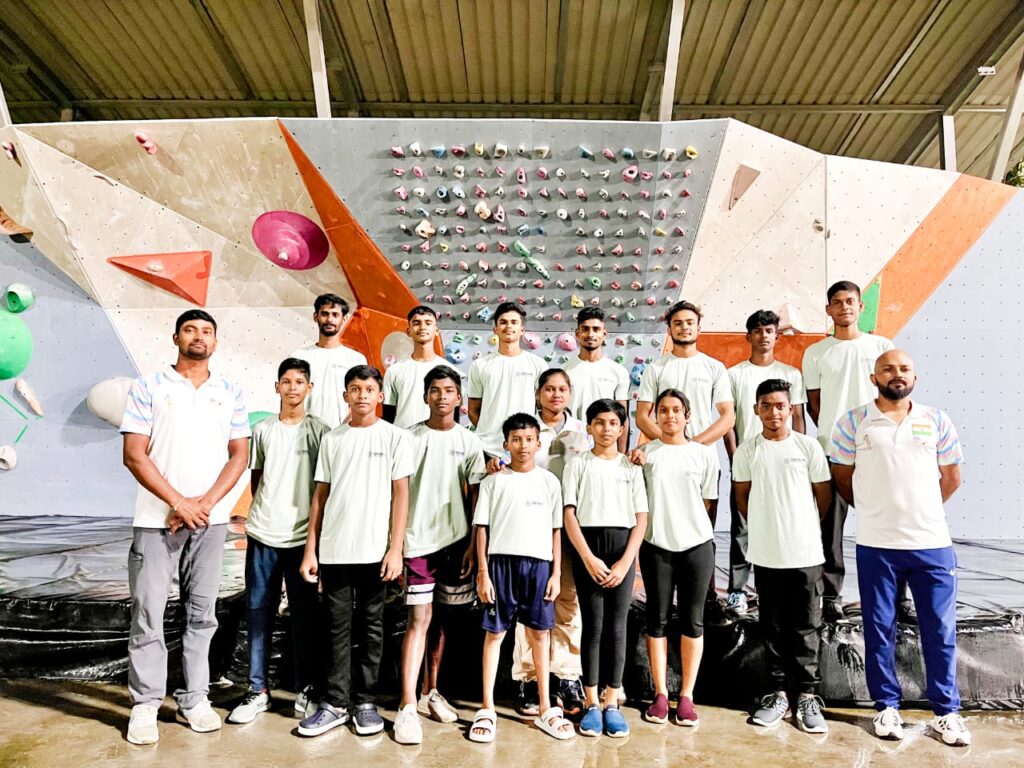
A team of 15 climbers from Odisha will represent the state in this championship, participating in the three main events: Lead Climbing, Speed Climbing, and Bouldering Climbing. The climbers include:

  1. Amit Nayak
  2. Abinash Barik
  3. Khageswar Kumar Patra
  4. Subharansu Mahakud
  5. Aayan Sivashrit
  6. Sahil Kumar Das
  7. Adyasha Dash
  8. Subham Jena
  9. Rajendra Nayak
  10. Sushri Sangita Sahoo
  11. Subharansu Sekhar Mahunta
  12. Hatakeswar Dehury
  13. Nilakantheswar Patra
  14. Subhasisha Mohanty
  15. National climber Manoj Kumar Dakua

They will be guided by Head Coach Raju Karma Kar and Assistant Coach Chinmaya Maharana. The team represents the Odisha Tata Sport Climbing High-Performance Center.

This championship is an essential platform for climbers to demonstrate their skills and push the limits in the rapidly growing sport of climbing. With the participation of national and upcoming talents, the event is sure to highlight new stars in the climbing community.