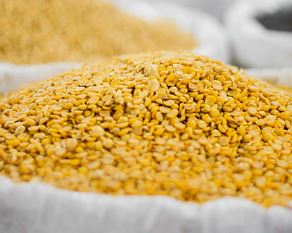
Pic Credit: Pexel
Karnataka’s GI-tagged Gulbarga Tur Dal is taking a step beyond its traditional domestic market, with a 1-metric-tonne consignment being exported to the Maldives through an export-linked value chain facilitated by the Agricultural and Processed Food Products Export Development Authority (APEDA). The development highlights how region-specific agricultural products can create new business opportunities by connecting farmers and Farmer Producer Organisations (FPOs) with overseas markets.
The business significance of the shipment lies in value realisation. According to the Commerce Ministry, the prevailing market price is around ₹60 per kg, while farmer realisation through the export-linked channel is ₹82 per kg, representing more than 30 per cent higher realisation. This illustrates how organised export channels can potentially improve the economics of agricultural production when farmers are connected more directly with value-added markets.
GI tag becomes a business asset
Gulbarga Tur Dal, associated with Karnataka’s Kalaburagi region, received its GI registration in 2019. Its geographical identity and distinctive characteristics provide a basis for positioning the product as a specialised regional food rather than treating it only as a conventional pulse commodity. The official GI registry records Gulbarga Tur Dal as a registered agricultural GI.
For the agri-business sector, this creates an opportunity to build stronger branding around origin, quality and regional identity. Such positioning can support packaging, processing, marketing and export businesses that generate value beyond the farm-gate transaction.
FPOs can strengthen the export value chain
The Maldives shipment was exported by Mysuru-based Silken Global Exports and Imports through an FPO-led brand and is being transported by sea. The model brings farmers, FPOs, exporters and overseas buyers into a common value chain.
For FPOs, greater participation in exports can mean moving beyond aggregation and bulk sales towards activities such as quality management, branding, packaging, market linkage and export-oriented supply management.
This can also create opportunities for businesses involved in food processing, logistics, packaging and international distribution.
Potential for recurring exports
The Commerce Ministry has said the Maldives shipment could pave the way for regular supplies of Gulbarga Tur Dal, creating sustained market opportunities for Karnataka’s producers and exporters.
The larger business opportunity will depend on whether the initial shipment develops into repeat commercial orders. Consistent overseas demand could encourage greater organisation of supply, quality standards and market-oriented production among farmers and FPOs.
Building a wider GI-based agri-export economy
The Gulbarga Tur Dal shipment also highlights a broader opportunity for India’s GI-tagged agricultural products. Instead of selling region-specific products primarily as commodities, exporters can develop them as branded food products with a defined geographical identity.
For Karnataka, this could strengthen the connection between agriculture and sectors such as food processing, packaging, logistics, retail and exports. For farmers, the objective is to capture a greater share of the value created as products move from farms to international consumers.
The Maldives shipment is therefore more than a single consignment. It demonstrates how GI recognition, FPO participation and export-market access can come together to create a more organised agricultural business ecosystem, while giving regional products an opportunity to build a presence beyond India.
