• Bhubaneswar India
  • Contact+ 91-9938772605
  • Mon - Sat : 10:00AM - 6:00PM

Category: health

India Accelerates Hepatitis Elimination Mission with Expanded Free Testing and Treatment Services

New Delhi, July 27: India is stepping up efforts to eliminate viral hepatitis as a public health threat by 2030 through expanded screening, free diagnostic services and accessible treatment under the National Viral Hepatitis Control Programme (NVHCP).

India Accelerates Hepatitis Elimination Mission with Expanded Free Testing and Treatment Services

The government has strengthened the nationwide programme by integrating hepatitis prevention, detection and treatment services with existing healthcare initiatives. Since its launch in 2018, the NVHCP has focused on improving early diagnosis, ensuring timely treatment and reducing the burden of hepatitis-related illnesses.

Under the programme, patients suffering from Hepatitis B and Hepatitis C receive free diagnostic tests and medicines, while awareness campaigns and surveillance systems help identify infections at an early stage. The initiative also covers all five major forms of viral hepatitis — A, B, C, D and E — through targeted prevention and management strategies.

Prevention remains a key focus area, with Hepatitis B vaccination being provided under the Universal Immunisation Programme, including the crucial birth dose within 24 hours of delivery. The government is also expanding screening among pregnant women, high-risk groups and blood donors through coordination with other national health programmes.

To improve access to care, hepatitis services are being decentralised from district hospitals to local healthcare facilities, enabling more people to receive testing and treatment closer to their communities. Digital monitoring systems are also being used to strengthen patient tracking and programme management.

The government said the expansion of affordable medicines, free healthcare services and integrated disease management efforts will play a crucial role in achieving India’s 2030 goal of eliminating viral hepatitis as a major public health challenge.

India’s Pharma and Healthcare Deals Hold Strong at Dollar 13.9 Billion in Q2 2026

July 23: India’s pharmaceutical and healthcare sectors continued to attract strong investor interest, with deal activity remaining resilient at $13.9 billion in the second quarter of 2026, reflecting confidence in the long-term growth potential of the industry.

The sector maintained momentum amid evolving global market conditions, supported by rising healthcare demand, innovation-driven growth, and increasing investments in pharmaceuticals, biotechnology, and healthcare services.

Industry analysts said the continued strength in deal values highlights the attractiveness of India’s healthcare ecosystem, backed by expanding domestic consumption, advanced manufacturing capabilities, and growing opportunities in research and development.

The pharma and healthcare sectors have witnessed increased strategic investments as companies focus on strengthening capabilities, expanding market reach, and developing new technologies and treatments.

Experts noted that India’s growing healthcare needs, favourable business environment, and role as a major global pharmaceutical supplier continue to support investor confidence.

The resilient deal activity underscores the sector’s importance in India’s economic growth story and its expanding role in the global healthcare landscape.

India’s Pharma Sector Shows Strong Domestic Momentum Amid Global Trade Transition

July 23: India’s pharmaceutical market is entering a period of global trade transition with strong support from domestic growth, according to a recent report. The sector continues to demonstrate resilience amid changing international tariff conditions and evolving market dynamics.

The report highlighted that India’s pharmaceutical industry is being supported by rising domestic demand, increasing healthcare awareness, expanding access to medicines, and steady growth across key therapeutic segments.

While global trade policies, including changes in tariff structures, may create challenges for pharmaceutical exporters, the industry’s strong domestic foundation is expected to provide stability and support continued expansion.

India’s pharma sector remains a major contributor to the global healthcare ecosystem, with the country playing a significant role in medicine production and supply chains worldwide. Companies are focusing on innovation, manufacturing capabilities, and market diversification to navigate changing global conditions.

Industry experts said strengthening research and development, improving manufacturing standards, and expanding healthcare access will remain important factors for sustaining long-term growth.

The report noted that India’s pharmaceutical market is well-positioned to manage external uncertainties while continuing its growth trajectory through domestic demand and global opportunities.

Gujarat Takes a Step Towards Addiction-Free Communities with New De-Addiction Centres

Gandhinagar, July 22: In a major push to strengthen addiction treatment and rehabilitation services, the Gujarat government has approved Rs 14.90 crore for setting up de-addiction centres in all district hospitals across the state.

The initiative aims to bring professional support closer to people and families affected by substance abuse by providing easier access to counselling, medical assistance, rehabilitation, and recovery services at the district level.

The upcoming centres will focus on early intervention, awareness, and personalised care under the guidance of trained healthcare professionals. The facilities are expected to help individuals seek timely support while creating a more supportive environment for recovery.

Health officials said addiction impacts not only individuals but also families and communities, making awareness, prevention, and accessible treatment essential. Strengthening district-level services will help reduce barriers to care and encourage more people to come forward for assistance.

The government’s move reflects its commitment to improving public health infrastructure and addressing social health challenges through a combination of medical care, counselling, and community awareness programmes.

By expanding de-addiction services across all districts, Gujarat aims to build a stronger support system that promotes healthier lives and helps individuals overcome addiction with dignity and care.

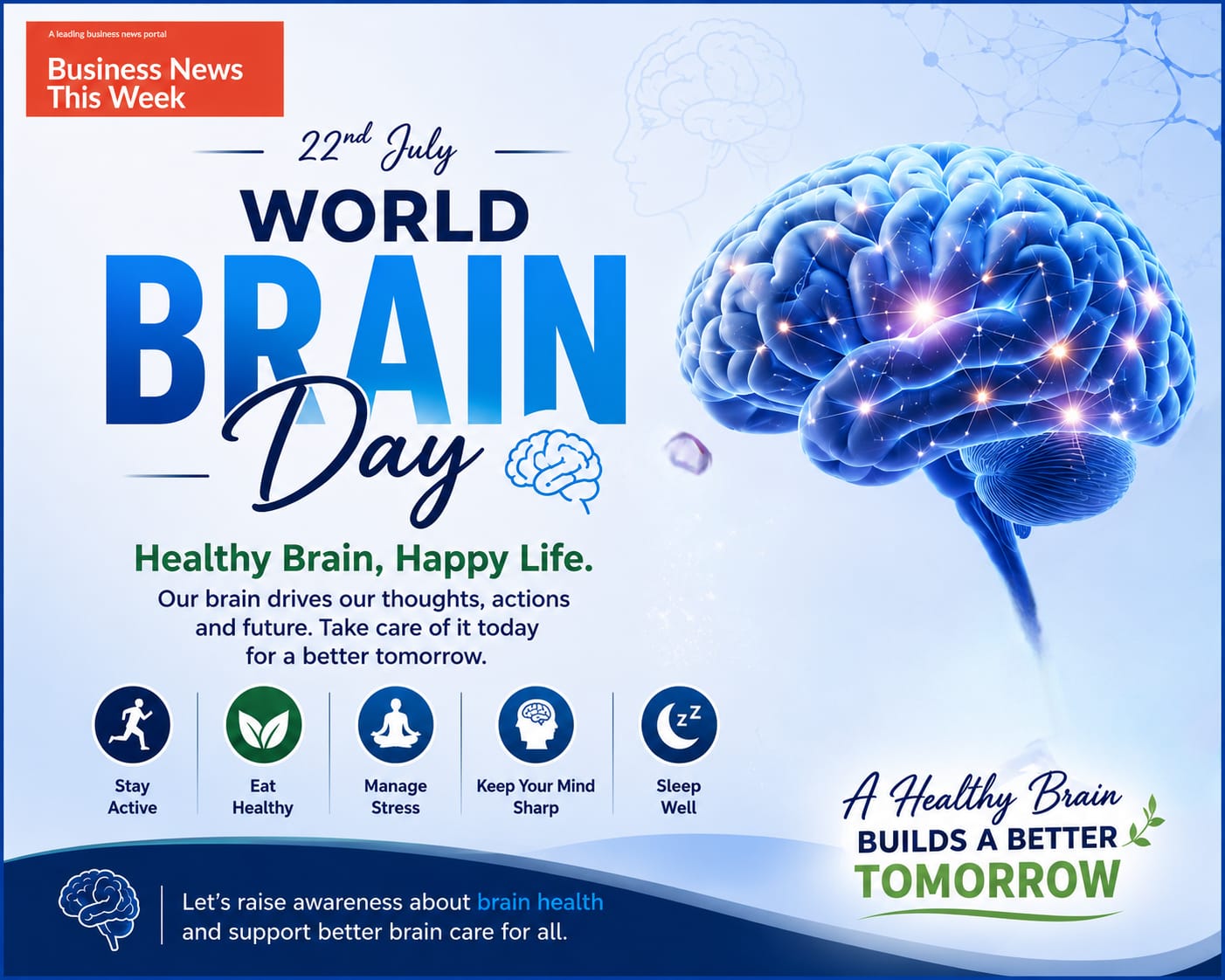
From Awareness to Action: World Brain Day 2026 Pushes for Equal Neurological Care

From Awareness to Action: World Brain Day 2026 Pushes for Equal Neurological Care

The human brain shapes every aspect of life — from movement and memory to emotions, learning, and decision-making. Yet, millions of people worldwide continue to face challenges in accessing timely diagnosis, treatment, and support for neurological conditions.

On World Brain Day 2026, the global health community is focusing on the theme “Brain Health: Access for All”, highlighting the importance of ensuring equitable, high-quality neurological care for everyone, regardless of location, background, or economic status.

Established by the World Federation of Neurology (WFN), World Brain Day is observed every year on July 22 to raise awareness about brain health, promote early detection of neurological disorders, reduce stigma, and encourage stronger healthcare systems. The campaign comes at a time when more than 3.4 billion people globally are living with brain-related disorders, making neurological health a critical public health priority.

Why Brain Health Needs Greater Attention

The brain is the body’s command centre, controlling essential functions such as breathing, movement, memory, emotions, and communication. A healthy brain is vital for maintaining independence, productivity, and quality of life.

However, neurological conditions often remain undiagnosed or untreated due to limited awareness, lack of specialised healthcare services, and barriers to accessing medical support. The theme “Brain Health: Access for All” emphasises the need to bridge these gaps and ensure that quality neurological care reaches every community.

Early Diagnosis Can Change Lives

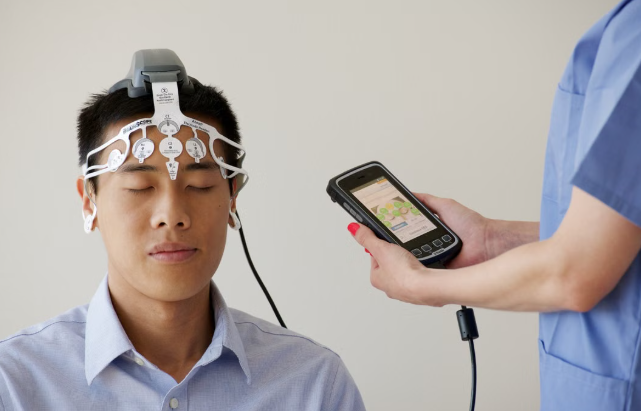
Many brain disorders can be managed more effectively when identified at an early stage. Recognising warning signs and seeking timely medical advice can improve treatment outcomes and quality of life.

People should pay attention to symptoms such as:

  • Sudden weakness or numbness, especially on one side of the body
  • Difficulty speaking, confusion, or changes in understanding
  • Memory loss or frequent episodes of forgetfulness
  • Seizures or unusual changes in awareness
  • Tremors, balance problems, or movement difficulties
  • Persistent headaches, vision changes, or unexplained behavioural changes

Conditions such as stroke, epilepsy, Alzheimer’s disease, Parkinson’s disease, multiple sclerosis, and brain tumours require proper medical evaluation and long-term care.
From Awareness to Action: World Brain Day 2026 Pushes for Equal Neurological Care

Building Better Brain Health Through Everyday Choices

While some neurological conditions require specialised treatment, healthy daily habits can support overall brain wellness.

Eat a Brain-Friendly Diet

A nutritious diet rich in vegetables, fruits, whole grains, nuts, seeds, and healthy fats provides essential nutrients that support brain function.

Stay Physically Active

Regular exercise improves blood circulation, supports mental well-being, and helps maintain cognitive health.

Prioritise Sleep and Recovery

Quality sleep allows the brain to process information, restore energy, and maintain emotional balance.

Keep the Mind Engaged

Reading, learning new skills, creative activities, and social interactions help keep the brain active and adaptable.

Manage Stress and Protect Mental Health

Long-term stress can affect memory, concentration, and emotional health. Relaxation practices, mindfulness, and strong social connections can support overall brain wellness.

The Role of Healthcare Systems in Making Brain Care Accessible

The message of World Brain Day 2026 goes beyond awareness — it calls for action to make neurological care more inclusive and accessible.

Healthcare providers play a key role through early screening, specialist consultations, rehabilitation services, patient education, and community outreach programmes. Expanding neurological services, improving awareness, and strengthening healthcare infrastructure can help more people receive timely support.

Technology is also creating new opportunities through digital healthcare solutions, remote consultations, and improved diagnostic tools, helping extend neurological care to underserved communities.

A Shared Responsibility for a Healthier Brain Future

“Brain Health: Access for All” reminds the world that brain health is not only an individual concern but a collective responsibility. Governments, healthcare professionals, communities, and individuals all have a role in creating systems where neurological care is available to everyone.

World Brain Day 2026 serves as a powerful reminder that awareness, prevention, and equal access to healthcare can transform lives.

A healthier brain begins with awareness — and a healthier world begins when everyone has access to the care they need.
India Hosts BRICS Health Ministers’ Meet

New Delhi, July 22: India is hosting the BRICS Health Ministers’ Meeting, bringing together representatives from Brazil, Russia, India, China, and South Africa to strengthen cooperation in building more inclusive, accessible, and resilient healthcare systems.

The meeting will focus on expanding access to quality healthcare, promoting digital health solutions, improving primary healthcare, and enhancing preparedness for future public health emergencies. Health ministers are also expected to discuss ways to address non-communicable diseases and encourage greater collaboration in medical research and innovation.

As the host nation, India will highlight its efforts to improve healthcare delivery through technology, affordable medical services, and public health initiatives. The discussions are expected to encourage the exchange of best practices and reinforce partnerships aimed at improving health outcomes across BRICS countries.

The meeting reflects the shared commitment of BRICS nations to advancing equitable healthcare and strengthening cooperation to address evolving global health challenges through collective action.

Kolkata Hospital Provides Care to Three Covid-19 Patients as Authorities Keep Close Watch

Kolkata, July (UDN): Three individuals diagnosed with Covid-19 are undergoing treatment at a private hospital in Kolkata, with medical teams providing necessary care and health authorities monitoring the situation closely.

The patients were admitted to the hospital after testing positive for the infection and are currently receiving medical attention as per established health protocols. Doctors are assessing their condition and ensuring appropriate treatment and monitoring.

Health officials are keeping track of the developments and reviewing the situation to ensure timely response measures, if required. Hospitals and healthcare teams remain prepared to manage cases while following safety guidelines.

Medical experts have advised people to remain alert and follow basic preventive measures, including maintaining hygiene, avoiding close contact when unwell, and seeking medical advice if symptoms appear.

Authorities have urged citizens not to panic and to rely on verified health information while continuing to take reasonable precautions, especially among vulnerable groups.

The latest cases highlight the importance of continued health awareness and preparedness as healthcare institutions remain vigilant in managing respiratory infections and protecting public health.

India Moves Forward in Healthcare Innovation as ICMR Shares New Biomedical Solutions

July 21: The Indian Council of Medical Research (ICMR) has taken a significant step towards strengthening healthcare innovation by transferring three biomedical technologies focused on improving solutions for cancer and infectious diseases.

The initiative aims to bring promising scientific research closer to practical healthcare use by encouraging collaboration between researchers, healthcare institutions, and industry partners. The move reflects growing efforts to develop advanced, affordable, and accessible medical solutions within the country.

The transferred technologies are expected to support improvements in disease detection, management, and treatment approaches, particularly in areas where timely and effective healthcare interventions are crucial. By enabling wider adoption of research-driven innovations, the initiative seeks to create a stronger connection between scientific discoveries and patient care.

Healthcare experts highlighted that technology transfer plays a vital role in building a robust biomedical ecosystem. It helps transform laboratory research into real-world applications while promoting indigenous innovation and reducing challenges in delivering advanced healthcare solutions.

ICMR continues to support medical research and innovation through partnerships, technology development, and knowledge sharing. The latest move reinforces its commitment to addressing major health challenges and supporting India’s journey towards a more resilient and self-reliant healthcare system.

With these new technologies moving closer to implementation, the initiative offers fresh opportunities to improve healthcare outcomes and strengthen the country’s fight against complex diseases such as cancer and infectious illnesses.

Nishant Agrawal named inaugural Chair of the Department of Otolaryngology-Head & Neck Surgery

Following the recent approval from the University of Chicago to establish Otolaryngology–Head and Neck Surgery (OHNS) as an independent department, Nishant Agrawal, MD, will serve as its inaugural Chair, effective August 1, 2026.

Agrawal is a Professor of Surgery who joined the Biological Sciences Division (BSD) faculty in 2015. Since 2017, he has served as Section Chief of OHNS, providing the strategic foundation that anchored its transition to a standalone department. Collaborating across the institution, he expanded regional clinical volumes, extended care to satellite locations, and strengthened referral networks — contributing to the specialty’s highest national ranking at #11 by U.S. News & World Report in 2025.

An internationally renowned physician-scientist, Agrawal maintains an active clinical practice in complex head and neck surgical oncology, while directing a research portfolio integrating genomics and molecular diagnostics to improve cancer detection, monitoring, and surveillance. NIH-funded since 2009, his major scientific milestones include leading the landmark characterization of the mutational profile of head and neck squamous cell carcinoma, earning an AACR Team Science Award for liquid biopsy technologies, and winning the 2022 UChicago Polsky Center New Venture Challenge with OrisDX, a platform focused on transforming early oral cancer detection.

A dedicated educator and leader, Agrawal serves on the Exam Council for the American Board of Otolaryngology-Head and Neck Surgery, as a Special Expert to the National Cancer Institute Head and Neck Steering Committee, and previously on the NIH Cancer Genetics Study Section. In 2025, he was elected to CORLAS, one of the oldest international honorary scientific societies in otolaryngology.

As Chair, Agrawal will guide the strategic transition from a section to a standalone department and oversee its formal launch. Under his leadership, the department will build on its strong foundation by expanding multidisciplinary programs, advancing specialized training, and recruiting exceptional faculty to accelerate the impact of UChicago Medicine and the BSD.