• Bhubaneswar India
  • Contact+ 91-9938772605
  • Mon - Sat : 10:00AM - 6:00PM

Category: technology

Pusa Krishi Vigyan Mela Inaugurated with Participation from Leading Fertilizer Companies

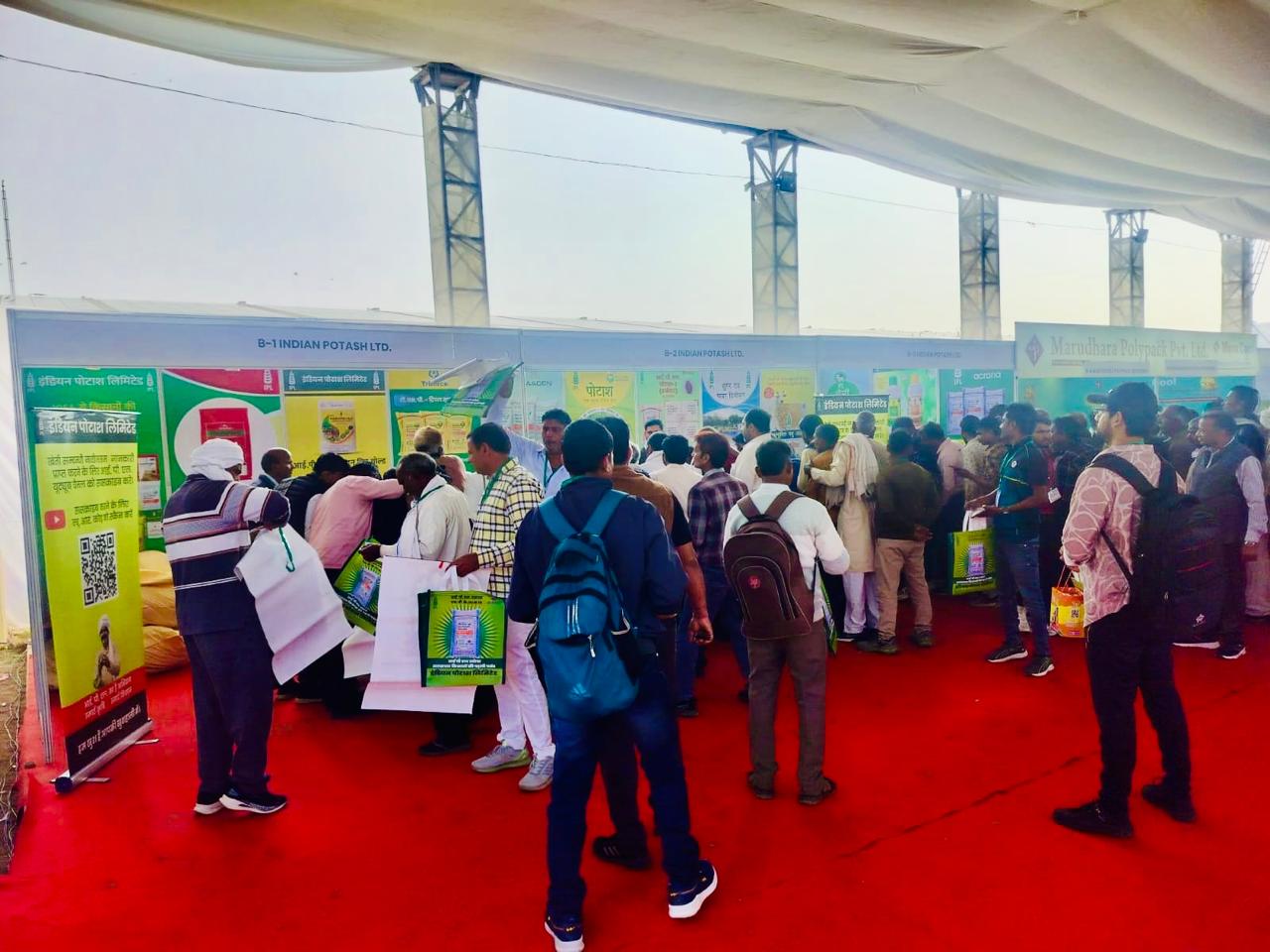
New Delhi, Feb 25: The Pusa Agricultural Science Fair, organized by the Indian Council of Agricultural Research and the Indian Agricultural Research Institute (ICAR–IARI), was formally inaugurated today. The fair is being held from February 25 to 27, 2026. The inauguration was carried out by Union Minister of Agriculture Shivraj Singh Chouhan. Several fertilizer, pesticide, and agriculture-related companies from across the country are participating in the fair and are familiarizing farmers with fertilizer management, crop nutrition, and modern agricultural technologies.

In this context, Indian Potash Limited (IPL) has integrated its three stalls into one large, comprehensive agricultural stall, which has emerged as a major attraction for farmers. At this integrated stall, detailed information is being provided on crop nutrition, balanced fertilizer management, animal feed, dairy and sugar sector related products, along with modern agricultural solutions. IPL is also distributing free pens, diaries, bags, and informational literature to farmers.

On the first day of the fair, a large number of farmers from various states visited IPL’s stall and gained important insights related to balanced use of fertilizers, scientific farming practices, and enhancement of agricultural productivity. Company experts addressed farmers’ queries and provided them with practical, crop-specific guidance.

The primary objective of IPL is to create awareness among farmers about balanced fertilizer use, scientific plant nutrition, and sustainable agricultural practices. The company is encouraging farmers to adopt the 6R (Right) principle – 1. Right Source, 2. Right Dose, 3. Right Method, 4. Right Time, 5. Right Combination of Fertilizers, and 6. Right Water Management. Through this approach, special emphasis is being laid on reducing the cost of cultivation while increasing productivity.

According to IPL officials, during all three days of the fair, the company’s agricultural experts will interact directly with farmers, distribute crop-based technical literature, and provide guidance on modern Packages of Practices (POPs). Notably, IPL has been promoting scientific agriculture for nearly 70 years by providing quality products to farmers at reasonable prices. The company’s participation is being regarded as a significant initiative toward strengthening the vision of “Developed Agriculture – Self-Reliant India.”

Fevicol Steals Spotlight at India’s AI Summit as Tech Giants Keep Their Distance

At the India AI Impact Summit in New Delhi on February 19, 2026, Prime Minister Narendra Modi invited the world’s top technology leaders on stage at Bharat Mandapam for a moment of collective unity. Modi encouraged all leaders to join hands and raise them together. Everyone on stage obliged. Almost everyone.

OpenAI CEO Sam Altman and Anthropic CEO Dario Amodei, standing right next to each other, skipped the hand-raise. Both raised their fists separately while the rest of the stage formed a connected chain around them. The two, known for their well-documented professional differences since Amodei departed OpenAI to found Anthropic in 2021, were on the same stage but decidedly not on the same page. The moment was caught on camera, went viral almost instantly, and gave the internet exactly the kind of content it lives for.

Fevicol and Schbang gave it something better.

With the instincts of a brand that has spent over decades knowing exactly where things need to stick, Fevicol responded with a creative execution that was sharp, warm, and entirely on brand. One image. Altman and Amodei’s hands joined together, raised high, held firm by Fevicol ka Jod. One line that worked as a punchline, a nudge, and a truth all at once:

“Asli Intelligence judne mai hai.” (Real intelligence lies in coming together.)

Conceptualised and executed by Schbang, the response captured a globally trending moment in real time, turned an awkward on-stage gap into a piece of content the internet actually wanted to share, and did it all with Fevicol’s signature wit and charm. No commentary on the rivalry. No taking sides. Just a well-timed creative that made an uncomfortable moment feel warm, funny, and very human.

Because at the end of the day, no matter how intelligent the technology, the real measure has always been whether it can bring people together. 

This campaign is also a testament to what moment marketing can achieve when a brand knows itself well enough to move fast without losing its voice. The window for relevance in real-time marketing is measured in hours, sometimes minutes. What Fevicol and Schbang demonstrated here is that speed alone is not enough. It takes a brand with a clear identity, a creative team with sharp instincts, and the confidence to keep the idea simple. When all three come together at the right moment, the result is not just content. It is culture. And that, as Fevicol has always known, is the strongest bond of all.

Sports Sensors Vary Wildly in Their Measurements. Standards Are Closing the Gap

Did you know that two different wearable sensors can give an athlete two completely different scores for the same workout? 

Those differences, which can be subtle and not-so subtle, make it hard for elite athletes, coaches and even sports leagues to cut through the noise and identify the tools that are best for them. 

That’s exactly the challenge IEEE Member Rachel Hybart wants to address through a standard in development through the IEEE Standards Association. 

IEEE Standard P3716, a Standard for the Quality Assessment of Human and Object Tracking Technologies Used in Field- or Court-based Sports, is intended to provide an objective performance evaluation of electronic systems that measure things like the speed, position and velocity of humans and objects in sports that are played in fields and courts. 

 She recently appeared on the IEEE SA Re-Think Health podcast. As the world’s attention begins to focus on elite winter sports, we touched base with her to discuss how this new standard might help elite athletes, coaches and leagues make more informed decisions.

 “Without a way of assessing the quality of a specific measurement device or method, it’s really easy for teams and leagues to invest in technology that maybe doesn’t best suit their needs,” Hybart told the podcast. 

 Why Accuracy Matters

 From wearables on wrists to GPS vests to special cameras using LiDAR, sensors are everywhere and data is embedded at the highest levels of decision-making. 

 “At the elite level, small errors in timing orientation or force estimation can meaningfully change conclusions about fatigue, asymmetry or injury risk,” Hybart said. 

 And it isn’t just training load. Data from sensors can be used to determine whether an injured player should return to play and to help broadcasters provide context for viewers at home. Sports leagues use data to evaluate rules designed to improve player safety. 

 How Different Sensors Take Different Measurements

 To understand how differences in sensors and electronic devices can impact athlete data, consider the use of satellite-based navigation systems, like GPS, which are often combined with motion sensors worn on the body. While these satellite systems follow common standards, the devices that use them can process the data in different ways. During fast changes in speed or direction, differences in how frequently data is collected, how motion sensors are combined and how the data is smoothed can lead to noticeable differences in reported position and speed between systems.

 Furthermore, the way wearables and other sensors measure athletic performance is frequently locked behind proprietary systems and algorithms that are hard to evaluate. 

 Are Consumer-Grade Sensors Good Enough?

 Of course, the use of sensors and wearables isn’t just driven by elite athletes. Hobbyists and student athletes use them as well.

 “Consumer devices are optimized for consistency and engagement at the individual level,” Hybart said. “Systems used by elite athletes must be precise enough to inform medical, performance and safety decisions.”

 Systems used at elite international events are also designed to integrate multiple data streams such as motion tracking, force measurement, broadcast video and event context rather than relying on a single wearable signal.

Coforge secures a 158M five-year contract with a UK based client

Greater Noida, Feb 25: Coforge Limited announced that it has been awarded a $158 Million five-year contract by a UK based client.

The firm shall provide services effective April 2026. Revenue accrual under the contract will be evenly spread over five years. The firm expects material expansion of ancillary revenue around this core contract over the next five years from the same client.

John Speight, President Coforge and Europe Business Leader said, 

“AI led conversations focused on driving innovation, improving governance and resiliency are helping drive a material increase in the number and median size of large deals in play across Europe. Our five key AI-based platforms- Forge-X, EvolveOps.AI, BlueSwan, Quasar and Data Cosmos- have set us up very nicely to address these asks”.

When things have to be done quickly

Rail brakes support fast roller changes in laminating units

 SAUERESSIG has evolved from being a manufacturer of printing and embossing rollers to becoming a highly innovative machine manufacturer with a diverse product range.

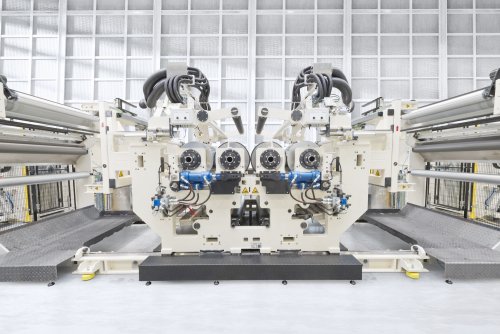
In a large laminating unit by SAUERESSIG Engineering for laminating steel strip on both sides, rubber rollers press a protective PET film onto hot steel strip. Despite cooling, these rubber rollers do wear down and need to be replaced regularly. Four profiled rail brakes by mayr® power transmission ensure that the laminating process, which takes place 24 hours a day, only has to be interrupted briefly to replace the rollers.

SAUERESSIG began manufacturing printing and embossing rollers for the packaging and printing industry around 70 years ago. Today, the company is a highly innovative mechanical engineering company with a diverse portfolio. As a leading full-range supplier of calendering, embossing and rotary processing systems in standard and special designs, the company supplies a wide range of industries.

The machine solutions include both complete production lines and customized systems for embossing, finishing, coating, smoothing, perforating and calibrating sheet materials such as paper, film or metal sheets. The company offers comprehensive expertise from the initial idea to the final customized solution, including planning and designing mechanics, drive and automation technology, pre-assembly and commissioning in the factory, and final approval at the customer’s premises.

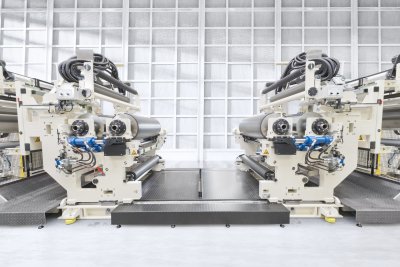
SAUERESSIG’s large laminating unit coats both sides of the steel strip with a protective PET film

 One such customized system, no less than six metres long and around four metres wide, coats a steel strip on both sides with a thin protective PET film. Harald Bartsch, Head of Design/Expert Advisor at SAUERESSIG Engineering, describes the machine’s design concept as follows “The complete laminating unit consists of two nearly identical, symmetrically arranged side frames, each with a rubberized laminating roller and a contact cooling roller. For laminating, the steel strip moves vertically between the two laminating rollers through the laminating unit at a conveying speed of up to 250 m/min. The laminating rollers press the film onto the hot steel strip from both sides.”

The steel strip’s high temperatures of up to 260 °C heat up the rubber coating on the laminating rollers. Water-cooled contact rollers dissipate this heat and limit the rubber coating’s temperature to a maximum of 90 °C. Despite the cooling, the rubber linings of the laminating rollers are subject to wear and must be replaced regularly. “As the laminating process should ideally be running continuously all year round and 24/7 without interruption,” explains Harald Bartsch, “the time required to replace the laminating rollers must be kept as short as possible. Therefore, the laminating unit is designed in such a way that the automated roller replacement only takes half an hour.”

The laminating unit consists of two symmetrically arranged side frames. Both side frames are mounted onto profiled rail guides and can be separated axially to replace the worn laminating rollers. While the coating process is in progress, profiled rail brake of the ROBA® guidestop® series by mayr® power transmission hold the two system parts in position backlash-free and with high rigidity. To replace the rollers, these safety brakes are released hydraulically, the two machine halves can be moved apart via rack and pinion gears and the laminating rollers can be replaced.

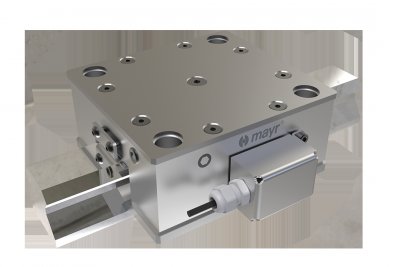
Profiled rail brake of the ROBA® guidestop® series by mayr® power transmission hold the two system parts of a large laminating unit in position backlash-free and with high rigidity.

 The ROBA® guidestop® profiled rail brake serves as a reliable safety brake and backlash-free clamping unit. It can brake movements safely and quickly and clamps the axes rigidly and backlash-free.

Just like all safety brakes by mayr®power transmission, the profiled rail brakes also work according to the fail-safe principle. This means they are closed in de-energised condition. The ROBA® guidestop® brakes use pre-tensioned cup springs to press the brake shoes against the ‘waist’ of the profiled rail, thus clamping it in place.

The hydraulic brake design used in the SAUERESSIG laminating unit is released using a nominal pressure of 70 bar. This is comparatively low in relation to the very high holding forces. The brake mechanism is dimensioned for relatively large strokes. As a result, the brake can compensate for production tolerances on the profiled rails without losing braking force. The ROBA® guidestop® safety brakes are equipped with two independent brake circuits: This allows for either double holding forces or a redundant design.

The profiled rail brakes are therefore directly mounted onto the masses which are to be braked or held. This minimises the risk of hazards, particularly with gravity-loaded axles, as drive elements between the motor and the moving mass, such as spindles, spindle nuts, shaft couplings and gears, do not affect safety. This is different for concepts with motor brakes, as all drive elements must transmit the braking torque to the carriage. Furthermore, every element between the brake and the carriage has a negative effect on rigidity. ROBA® guidestop® safety brakes are therefore considerably more rigid than motor brakes, rod brakes or band brakes, which are often subject to backlash.

ROBA® guidestop® safety brakes by mayr® power transmission are available in pneumatic or electromagnetic versions in addition to the hydraulically opening design. The hydraulically releasing ROBA® guidestop® series covers nominal holding forces from 5000 to 34000 N with four sizes. The pneumatically releasing version offers the greatest variety of options: Six sizes with nominal holding forces from 700 to 15000 N are available in the standard product range. Both versions (i.e. pneumatically and hydraulically releasing) are available for all common linear guides. Electromagnetically opening rail brakes do not require any pneumatic or hydraulic equipment. mayr® power transmission developes this variant on request, customizing it for the respective application.

DEFSAT 2026 Emerges as Key Platform Showcasing India’s Defence–Space Ambitions

New Delhi, Feb 25: With an unprecedented turnout on its inaugural day, DEFSAT 2026 is emerging as a defining platform reflecting India’s intent to strengthen its position as a serious defence–space power. Held from 24–26 February 2026 at the Manekshaw Centre, the three-day conference and exposition is bringing together strategic leaders to accelerate dialogue on defence modernisation and India’s expanding space ambitions under the theme “Space at the Core of National Security.” The conference underscores a critical strategic reality: an estimated 70–80% of modern military operations today rely on space-based capabilities, underscoring the rising centrality of space in India’s national security architecture. Day one marked a strong turnout as the conference witnessed 600 registered military leadership, government officials, diplomats, global industry representatives, startups, academia, and strategic experts. Dr. Subba Rao Pavuluri, President, SIA-India, remarked:
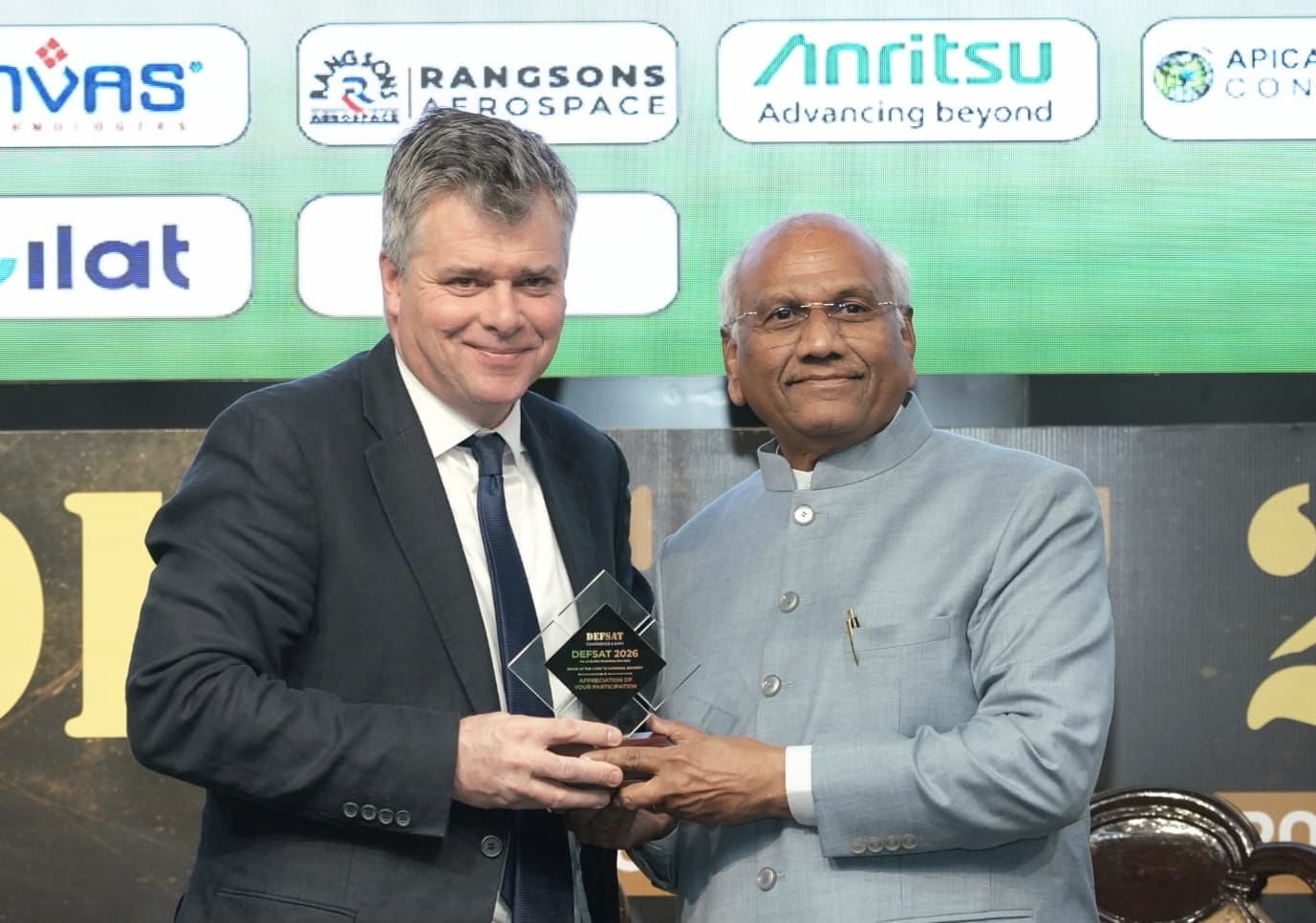
“Scale follows utilisation certainty. When government procurement creates predictable, multi-year demand for satellite communications, mobility bandwidth, disaster-response capacity, and Earth observation analytics, industry gains the confidence to invest in production, automation, and workforce expansion. Predictable demand, replicated suppliers, and deeper industrial discipline, that is how mission excellence becomes industrial scale.”

Lt Gen (Dr) P J S Pannu (Retd.), Chairman, Defence Space Committee, SIA-India, stated:

“Future conflicts will be fought beyond physical battlefields in space, cyber, and the invisible spectrum. As proxy wars and non-contact warfare expand across regions, space assets will become both the greatest enablers of security and the most contested targets. The nations that secure and protect their space capabilities today will define the balance of power tomorrow.”

AVM Manu Midha, Director General, Defence Space Agency (DSA), emphasized:

“Space is no longer a distant frontier or a symbol of technological prestige; it is the decisive high ground of modern warfare and national power. The nation that secures its interests in orbit safeguards its sovereignty on Earth. From precision strikes to real-time intelligence, from secure communications to strategic deterrence, every critical function of modern defence now depends on resilient space capability. If we fail to protect and strengthen our space architecture, we risk strategic blindness and operational paralysis. In the 21st century, safeguarding space is not an option, it is a national imperative.”

A senior representative from the Chief of Integrated Staff Committee (CISC) noted:

“Assured access to space, protection of orbital assets, and rapid reconstitution capability must form the backbone of India’s defence preparedness. The scale of engagement at DefSat reflects a collective understanding of this strategic imperative.”

Highlighting the cyber dimension, Dr. Vinayak Godse, CEO, Data Security Council of India (DSCI), added:

“Orbital assurance has become a core pillar of national security. Our economy, military preparedness, and digital transactions are deeply dependent on space-enabled infrastructure. As digitalisation accelerates, securing the space–cyber continuum is not optional it is foundational to strategic stability.” With record engagement across stakeholders, DefSat 2026 clearly demonstrates that space security is now firmly at the core of India’s strategic, technological, and industrial future.

DEFSAT Exposition 2026 will emerge as a major technology showcase over the next three days, reflecting the breadth of capabilities across the Indian and global space ecosystem, with participation from over 30 industry stalwarts including ICEYE, Ananth Technologies, Safran, Viasat, Aiila Innovations, GalaxEye, Pixxel, Times Microwave Systems, SkyServe, Aule Space, Sanyark Space Technologies, Agmatel, HEX20, Cosmoserve, Spacelabs, Onnes Cryogenics, Tantrayut Telecommunications Pvt. Ltd., RDVW Support, Chipspirit, Rigol Technologies, Glenair Inc., Anritsu India Pvt. Ltd., Raamtel Solutions Pvt. Ltd., Apical Telecom, Geminus Space, Rangsons Aerospace Pvt. Ltd., Invas Tech, and XDLINX Space, among others.

Mr Anil Prakash, DG, SIA-India:

“This year’s theme, “Space at the Core to National Security,” will provide timely direction and insight, and will meaningfully contribute to strengthening India’s journey as a defence space powerhouse to Aatmanirbharta and Viksit Bharat. With over 90 distinguished speakers leading 12 engaging panel discussions, DefSAT-2026 will undoubtedly enrich our collective understanding and further strengthen collaboration across the defence-space ecosystem.”

The event is supported by several key strategic and institutional partners, including Centre for Land Warfare Studies as a knowledge partner and NITI Aayog, Ministry of Electronics and Information Technology, Government e-Marketplace (GeM), CERT-In, National Maritime Foundation, ELCINA, T-Hub, Geospatial World, Aeronautical Society of India, Astronautical Society of India, and Research and Information System for Developing Countries among other supporting partners.

Palo Alto Networks Expands Bengaluru Office to Boost Regional Support & Innovation

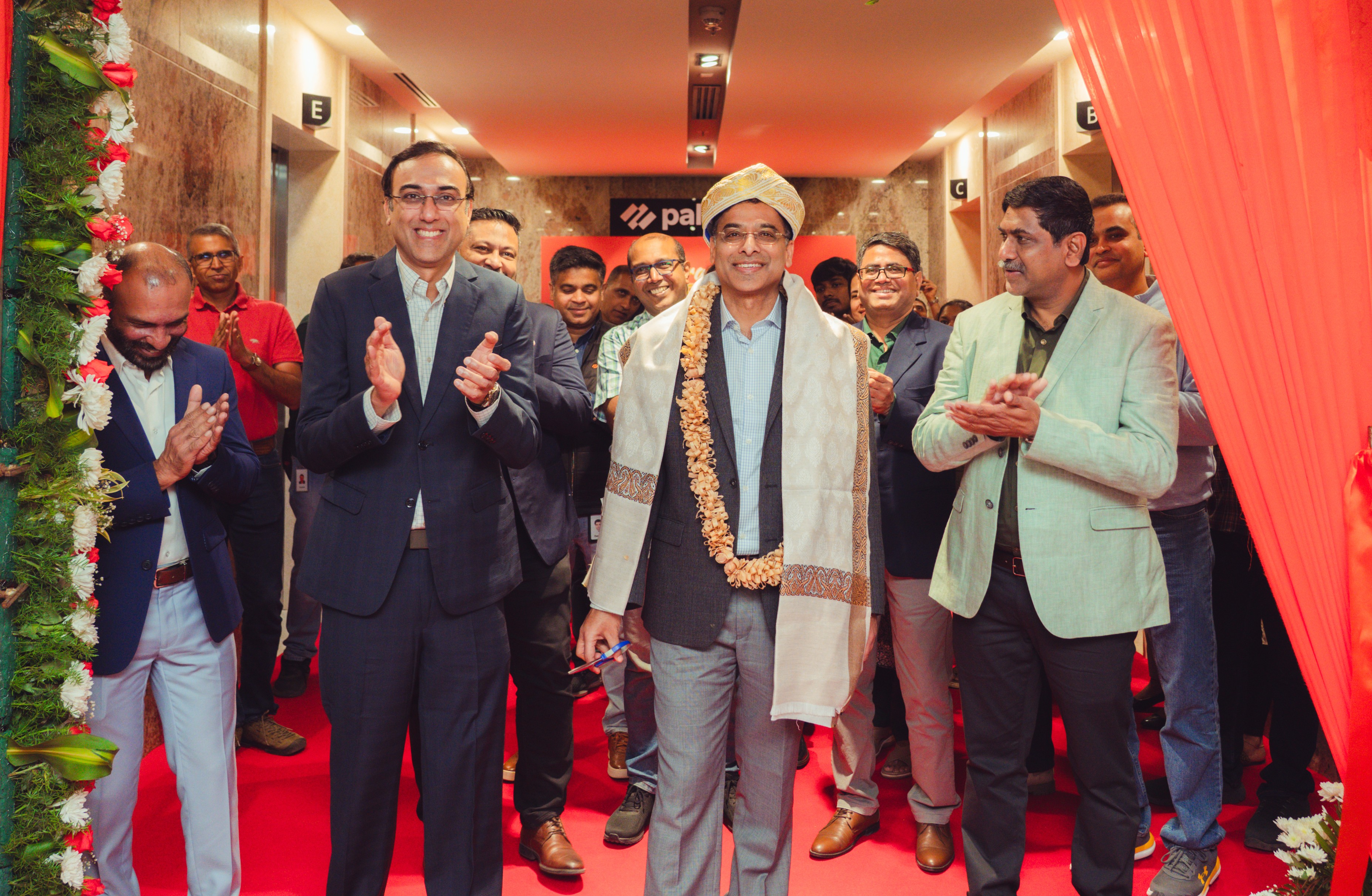
Bengaluru, Feb 25: Palo Alto Networks, the global cybersecurity leader, today announced the significant expansion of its Bengaluru operations with the inauguration of a new, state-of-the-art workspace. Officiated by Anand Oswal, Executive Vice President, Products – NetSec at Palo Alto Networks, the expansion underscores India’s pivotal role in advancing the company’s global cybersecurity and AI roadmap.

The new facility adds over 500 seats across two dedicated floors, featuring purpose-built infrastructure designed to foster learning and high-impact collaboration. Key features include specialized training rooms, recreational zones, and a versatile cafeteria that transforms into a 450-seat town hall to support the company’s growing workforce.

Strategic Investment in Talent and Infrastructure

The new Bengaluru workspace marks a continued investment in India as a center for innovation and technical expertise. By expanding collaboration and training capacity, Palo Alto Networks is creating additional high-value roles and strengthening cybersecurity capabilities that contribute to the local technology ecosystem.

The expansion aligns with rising demand for advanced cybersecurity solutions and reflects the depth of technology talent available in India. Scaling the Bengaluru footprint enhances the company’s ability to build, innovate, and deliver at global scale.

Enhancing the Employee and Customer Experience

Designed to support sustained hiring and team development, the new office provides flexible spaces for large-scale engagement, technical training, and cross-functional collaboration. The 450-seat town hall and dedicated learning areas will enable continuous skill development while supporting a fast-growing workforce.

This expansion reflects a broader commitment to investing in local infrastructure that contributes meaningfully to the city’s technology ecosystem, ensuring the company is well-positioned to support customers across the region with enhanced technical expertise and innovation.

Kunal Ruvala, Senior Vice President and General Manager – India, Palo Alto Networks

“India continues to play a critical role in innovating and delivering on our global product roadmap, and this expansion strengthens our contribution to India’s growing digital economy and the development of world-class technology talent.”

Ranjith KP, Senior Director, People Team Business Partner – India, Palo Alto Networks

“Our new workspace is designed to support team growth at scale, enhance the employee experience, and enable the next phase of hiring and job creation in India. Purpose-built for learning and collaboration, it features flexible townhall areas, state-of-the-art training rooms, and recreational spaces that foster connection and support a growing workforce.”

MongoDB Expands AI & Data Skills Access in India via HCL, GUVI & TASK Partnerships

New Delhi, Feb 25 : Today, MongoDB for Academia announced that it is accelerating towards its goal of upskilling 500,000 Indian developers through strategic partnerships with two leading educational organizations: HCL GUVI, and the government of Telangana’s Academy for Skill and Knowledge These new partnerships will make AI and data skills accessible to even more Indian students by offering courses in local languages, and by expanding MongoDB’s geographic reach with the support of more than 100 academic institutions in Telangana.

Bridging the AI skills gap

India is home to one of the world’s largest tech talent pools, with millions of talented developers eager to contribute to the AI era. Unfortunately, much of this potential is offset by fragmented skill gaps, socio-economic disparities, and unequal access to resources. A 2025 Bain & Company report projects that India’s AI sector could surpass 2.3 million job openings by 2027, but the country’s skilled talent pool is expected to reach only around 1.2 million in the same year.

Closing this gap requires more than just teaching code; we must move students from being consumers of technology to builders of the AI-driven future. And key to this is mastering modern data architecture. Because AI applications are only as intelligent as the data they access, students must learn to build systems where data is a primary asset rather than a technical hurdle.

Launched in September 2023, the MongoDB for Academia India program provides training for students, curriculum resources for educators, free MongoDB credits, and certifications to help individuals develop skills relevant to starting careers in the technology industry. The team has already made great progress against its commitment of upskilling half a million students by 2028, reaching hundreds of thousands of students. To continue this momentum, MongoDB is forging partnerships across India that make industry-relevant education more inclusive and accessible.

HCL GUVI: Breaking language barriers for inclusive tech education

The first partnership is with HCL GUVI—an EdTech platform backed by multinational tech company HCL—that brings a language-first approach to tech skilling. Talent exists in every corner of India, and opportunity should too.

By integrating MongoDB’s world-class developer learning paths into HCL GUVI’s flagship software development programs, the partnership ensures that students benefit from practical, project-based experience with cutting-edge database technologies. HCL GUVI plans to offer the curriculum in multiple regional languages, including Tamil, Kannada, Telugu, and Hindi, empowering learners from diverse backgrounds to grasp complex concepts and build real-world skills. With this effort, MongoDB and HCL GUVI intend to empower over 150,000 students by 2030.

“Our mission has always been to equip learners with industry-ready skills, no matter where they come from,” said Arun Prakash, CEO of HCL GUVI. “This partnership with MongoDB directly addresses that challenge. By integrating MongoDB’s world-class curriculum into our multilingual platform, we are making advanced technical training far more accessible and helping ensure that students can build real-world confidence to compete globally, regardless of the language they speak.”

TASK: Expanding reach across Telangana’s institutions

The next partnership is with the Telangana Academy for Skill and Knowledge (TASK), which aims to strengthen talent development across the state of Telangana’s higher education network. Working with TASK’s nearly 100 institutions, MongoDB plans to deliver specialized courses with exclusive career-enabling resources directly to engineering and computer science students. These will include certifications and credits for MongoDB Atlas, MongoDB’s modern multi-cloud database.

“Our focus at TASK is on bridging the industry-academia gap and empowering Telangana’s young talent with the skills required to thrive in this digital economy,” said Shrikant Sinha, CEO of TASK. “MongoDB’s expertise in modern data and application development, combined with our ecosystem, will help drive meaningful outcomes for students across the state, especially those who haven’t had access to such cutting-edge tools before.”

Over the next three years, the MongoDB-TASK partnership aims to upskill an additional 50,000 students, while also creating a trained pool of educators who can drive sustainable impact.

Together, MongoDB’s partnerships with HCL GUVI and TASK are part of a unified approach that focuses on equipping students with future-ready skills while making tech education more accessible, inclusive, and aligned with industry needs. With HCL GUVI focusing on accessibility and TASK on industrial and regional capabilities, MongoDB’s developer-first learning ecosystem is reaching students at every level, and working to bring the future of tech engineering directly into classrooms, home screens, and local communities.

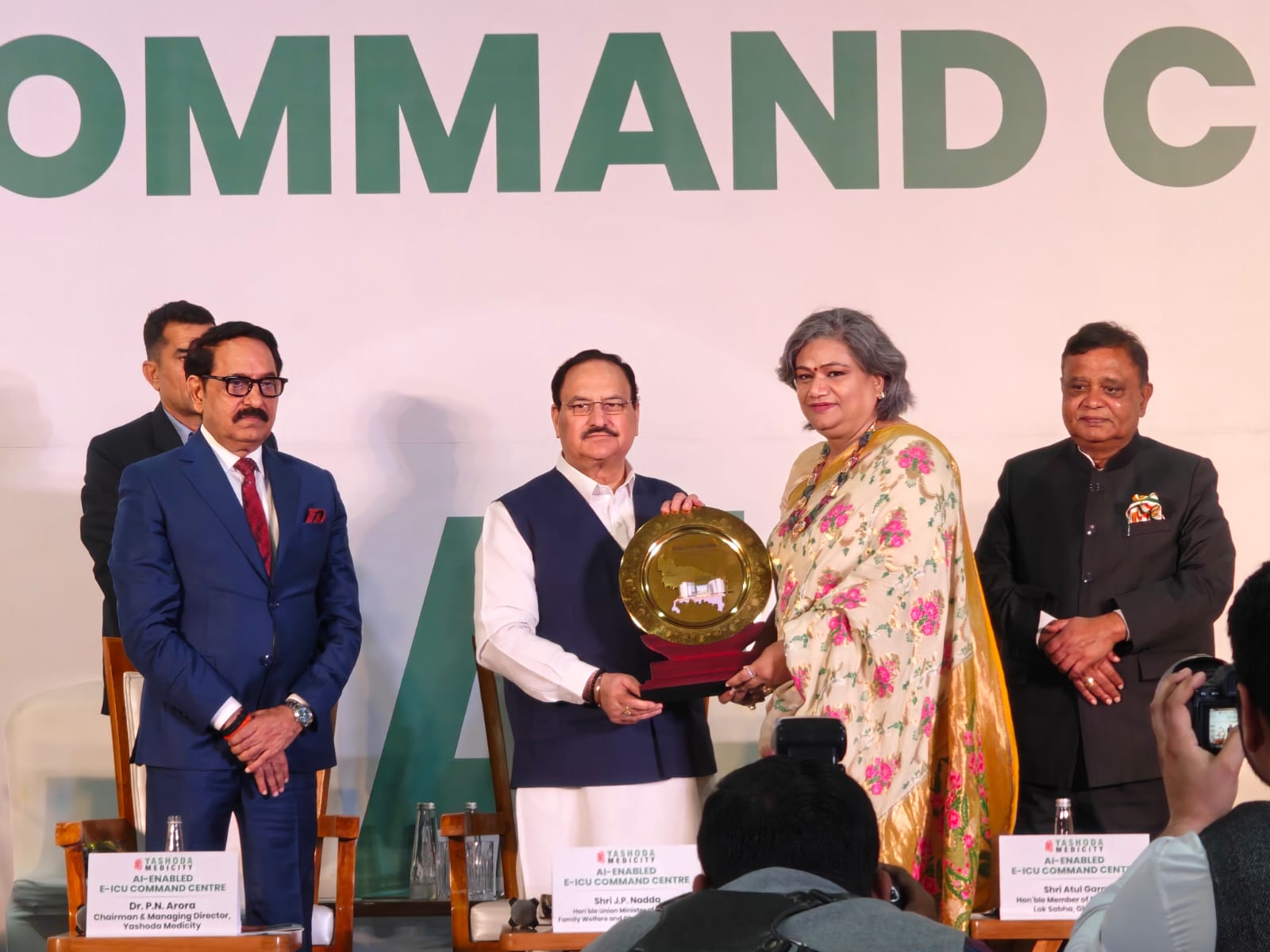
JP Nadda Launches AI-Enabled E-ICU Command Centre at Yashoda Medicity with MMG District Hospital

Delhi-NCR, Feb 25 : Yashoda Medicity, one of the leading hospitals in Delhi-NCR, spread over 8+ acres with 65+ super specialties and 12+ centres of excellence, strengthened its commitment to patient-focused and technology-driven healthcare with the launch of its AI-Enabled E-ICU Command Centre, a CSR initiative under Yashoda Foundations aimed at strengthening critical care delivery through technology integration and specialist oversight.

The command centre was inaugurated by Shri J. P. Nadda, Union Minister of Health & Family Welfare and Chemicals & Fertilizers, in the presence of senior leadership and medical professionals from Yashoda Medicity. The initiative connects the Base Command Centre at Yashoda Medicity with the ICU setup at MMG District Hospital, where Artificial Intelligence-supported monitoring systems analyze real-time patient data and generate early alerts for clinical deterioration. This enables structured remote supervision, proactive clinical coordination, and protocol-driven care management to ensure high-quality intensive care.

Through seamless integration with hospital information systems and bedside monitoring devices, the AI-enabled E-ICU platform consolidates large volumes of patient data into a unified dashboard for centralized oversight. A Specific AI engine base supports risk stratification and intelligent alert escalation, assisting clinicians in faster, evidence-based decision-making while optimising resource utilisation and reducing the cost of care. A dedicated, super-specialized Yashoda Medicity critical care team of doctors operates from the Command Centre at Yashoda Medicity, providing 24/7 oversight and timely interventions in line with global best practices.

This integration not only enables the ICU to achieve measurable improvements in clinical outcomes for critically ill patients but also helps make high-quality intensive care more accessible and affordable for economically weaker sections of society, extending critical care services to patients.

Beyond patient monitoring, the initiative strengthens capacity-building by facilitating knowledge exchange and structured guidance for on-ground teams. By standardising protocols and leveraging AI-enabled insights, the system supports consistency in care delivery across connected ICUs.

This AI-Enabled E-ICU Command Centre is part of Yashoda Medicity’s long-term CSR vision to build a connected critical care network. As an institution that has systematically integrated AI in all its healthcare specialties, Yashoda Medicity continues to advance precision-driven, data-backed, and technology-enabled care delivery. The hospital strives to ensure that high-quality healthcare reaches those who need it most. Looking ahead, this model will be expanded to additional district hospitals, further enhancing access to specialised care and improving patient outcomes across communities.

Inaugurating the AI-Enabled e-ICU at Yashoda Medicity, Shri J.P. Nadda Hon’ble Union Minister of Health & Family Welfare and Chemicals & Fertilisers said it as a “historic step” for Digital India. He emphasized that AI transforms healthcare through timely intervention, precision diagnosis, and continuous remote monitoring, empowering doctors to save lives during critical emergencies.

He added, “E-ICU provides real-time alerts and specialist supervision, ensuring no patient is left behind. Aligning this with the Ayushman Bharat Digital Mission, he noted that 860 million ABHA accounts now anchor India’s robust digital ecosystem, fulfilling PM Modi’s vision of accessible, global-standard healthcare for all 1.4 billion citizens.

Dr. P.N. Arora, Chairman & Managing Director, Yashoda Group of Hospitals, said,

“Our vision has always been to make world-class healthcare accessible to every patient, and advances in technology are helping us bring that vision to life. Our aim with the AI-Enabled E-ICU Command Centre is to combine intelligent monitoring, real-time data analysis, and expert clinical oversight to extend the reach of intensive care far beyond our hospital walls. Through this initiative, our goal is to provide continuous guidance and support to healthcare teams on the ground, enabling timely and precise interventions while ensuring that critically ill patients in districts and peripheral hospitals receive specialised care. This initiative reflects our commitment to enhancing care delivery and improving outcomes across communities.”

Mr. Shubhang Arora, Executive Director, Yashoda Group of Hospitals, said,

“The AI-Enabled E-ICU Command Centre reflects our focus on scalable, technology-led healthcare delivery. By integrating AI-driven insights with real-time clinical oversight, we aim to strengthen critical care standards and expand access to quality intensive care across connected hospitals.”