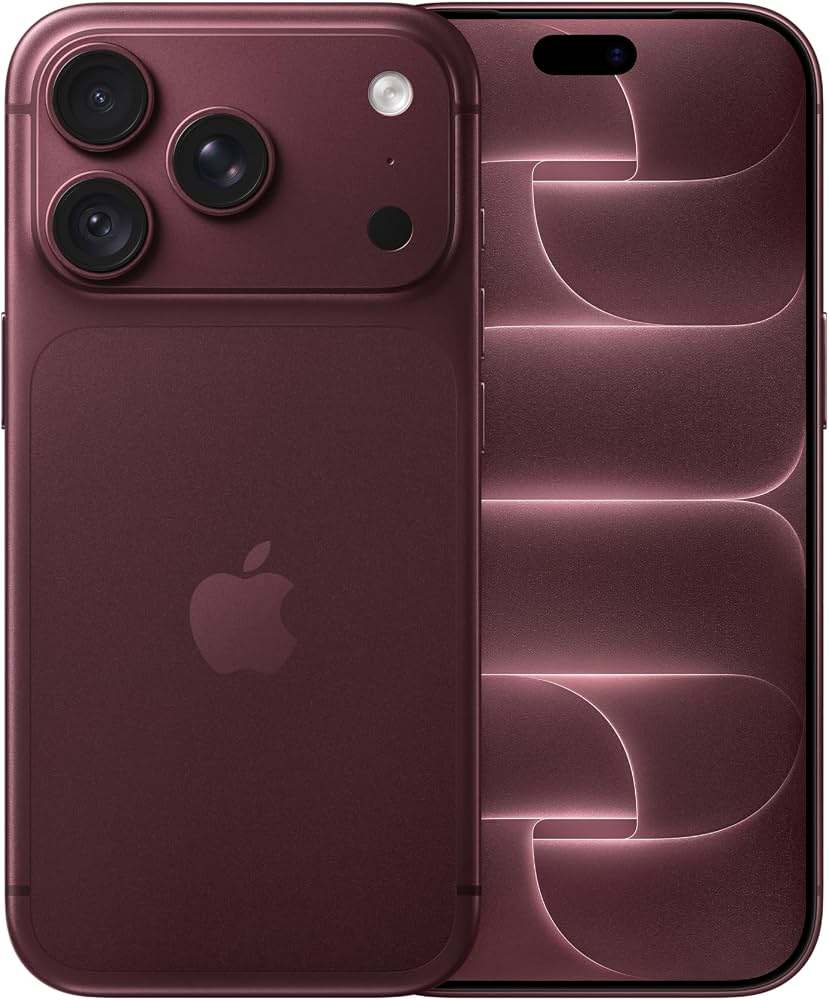
Sept 19: In 2026, waiting hours to buy a smartphone sounds almost absurd.
Yet that is exactly what happened when the iPhone 18 Pro and iPhone 18 Pro Max went on sale in India. Long queues were reported outside Apple Stores in cities including Mumbai, Delhi, Noida and Bengaluru, with some customers arriving hours before opening and others waiting overnight.
At the same time, there was another way to get the same phone: quick-commerce delivery.
Platforms including Blinkit, Zepto, Swiggy Instamart and BigBasket offered the new iPhones in select locations, with deliveries reportedly possible in around 10 minutes.
So why would someone spend hours standing outside a store when the phone could arrive at home within minutes?
The answer may lie in the fact that the iPhone launch is about more than buying a phone.
India’s premium smartphone market is expanding
The enthusiasm around the iPhone 18 comes as India’s smartphone market continues to move towards higher-priced devices.
According to Counterpoint Research, smartphones priced above ₹30,000 accounted for 23% of India’s smartphone shipments in 2025, the highest share recorded for the segment. The premium segment grew 15% year over year, while Apple recorded 28% shipment growth during the year.
The figures provide context for the willingness of some Indian consumers to spend more on smartphones.
Better cameras, performance, design, software ecosystems and brand reputation are among the factors that can influence premium-phone purchases. For brands such as Apple, the product is therefore only one part of the proposition.
The launch itself can become part of the appeal.
Why people still queue for an iPhone
For someone focused purely on convenience, waiting outside a store for several hours makes little sense.
But launch-day shopping can offer something a delivery app cannot completely reproduce.
There is the atmosphere of the store, the anticipation of being among the first buyers and the opportunity to see other customers arriving for the same product.
For some consumers, that makes the purchase feel like an event rather than a routine transaction.
The queues also create their own visibility.
Photos of customers waiting outside Apple Stores can quickly spread across social media, while videos of the first buyers, unboxings and reactions add to the online conversation.
The physical launch therefore creates digital content almost automatically.
The 10-minute delivery challenge
Quick commerce introduces an entirely different proposition.
Its core promise is simple: reduce the time between deciding to buy something and actually receiving it.
TechCrunch reported that India’s quick-commerce market reached around $9 billion in the first half of 2026, with more than 60 million monthly users. During the iPhone 18 launch, BigBasket said it delivered more than 300 iPhone 18 Pro and Pro Max units during the first hour of sales.
That changes the traditional launch-day equation.
Previously, being among the first buyers might have meant physically reaching a store before everyone else.
Now, it can mean opening an app at the right moment.
The competition is no longer simply between one retailer and another. It is increasingly between different forms of shopping experience.
The queue itself becomes marketing
This is where the iPhone launch becomes particularly interesting from a digital-marketing perspective.
A brand can spend heavily on advertising to communicate that a new product is in demand.
But a long line outside a store communicates that message visually.
People see the crowd. They photograph it. They post it. News organisations report it. Social-media users comment on it.
The result is a feedback loop:
Launch → physical crowds → social content → online conversation → wider awareness.
Customers become part of the distribution system for the marketing message.
That does not necessarily mean every person in the queue is there because of marketing. Their individual reasons can be very different. But the collective visibility generated by the launch can increase public attention around the product.
FOMO has moved from stores to screens
The launch also shows how urgency works across physical and digital channels.
At an Apple Store, a large queue can create a sense that something significant is happening.
On a quick-commerce app, limited inventory or rapidly changing availability can create urgency in a completely different way.
One is visible in the physical world.
The other appears on a screen.
Both can influence how quickly consumers make purchasing decisions.
Why physical stores still matter
The rise of quick commerce does not automatically make physical stores irrelevant.
A delivery platform is exceptionally good at convenience. A physical store can provide interaction, demonstration and atmosphere.
For premium brands, that distinction can matter.
A customer may want to see a phone before buying it, compare models in person or simply enjoy the launch environment. Another customer may have already made the decision and care only about getting the device as quickly as possible.
The same product can therefore require different retail experiences for different customers.
The new product-launch playbook
The iPhone 18 launch points towards a broader change in how products are marketed.
A modern launch does not necessarily end at the store.
A consumer might first see a teaser on social media, watch a creator’s video, read a review, visit a store, compare prices online and finally place an order through a delivery platform.
Every stage contributes to the purchase journey.
For marketers, this means the physical and digital worlds increasingly need to work together.
The store creates an experience.
Social media creates conversation.
Creators provide demonstrations and opinions.
E-commerce removes friction.
Quick commerce adds speed.
The strongest launches can potentially connect all of these touchpoints without making the customer journey feel fragmented.
The queue is not disappearing
The iPhone 18 launch presents an interesting contradiction.
Technology has made shopping faster than ever, but faster shopping has not eliminated the appeal of being part of a major product launch.
Some buyers want their phone delivered as quickly as possible.
Others want to be there when the doors open.
Neither behaviour tells the whole story of India’s smartphone market. But together, they show how consumer expectations are evolving.
In the age of 10-minute delivery, people may still queue for hours when the thing they are buying is also an experience, a moment and a story worth sharing.
