From farms in Karnataka and Kerala to supermarket shelves and café menus, avocado is becoming increasingly familiar to Indian consumers. Once viewed largely as an expensive or exotic fruit, it is now finding a place in conversations around healthy eating, modern food habits and even Indian agriculture.
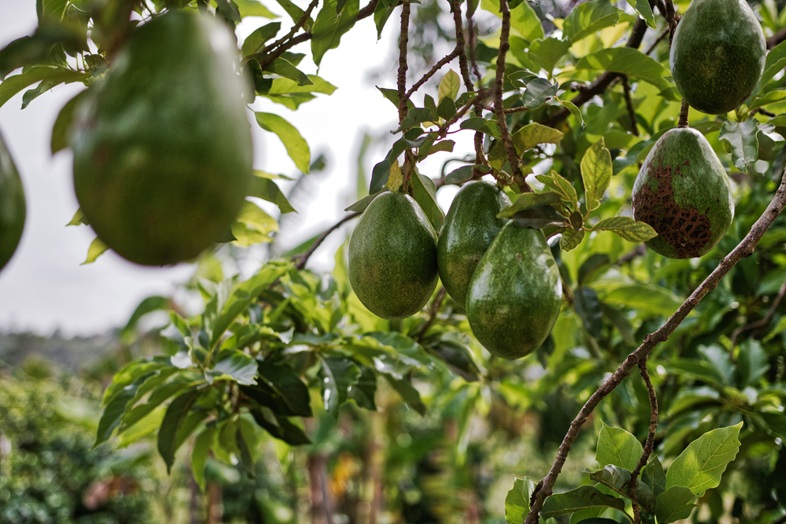
A few years ago, many Indians knew avocado mainly through restaurant menus, imported fruit sections and social media posts featuring avocado toast. Today, it is easier to find the fruit in supermarkets, online grocery stores, cafés and health-focused food outlets.
That does not mean avocado has suddenly become an everyday fruit across the country. Bananas, mangoes, apples and other familiar fruits still dominate Indian consumption. But avocado has clearly moved beyond its earlier niche image.
The interesting part of the story is that this change is happening on both sides of the market. Consumers are becoming more curious about new and nutrient-rich foods, while farmers in suitable regions are exploring whether avocado cultivation can become a viable opportunity.
Why Is Avocado Becoming Popular in India?
From Exotic Fruit to Lifestyle Food
Avocado’s rise is closely linked to changing eating habits, especially in urban India. Consumers are experimenting with international cuisines while also paying more attention to ingredients, fibre, healthy fats and overall dietary quality.
Avocado fits naturally into this trend. It can be added to salads, sandwiches, smoothies and breakfast dishes, or turned into dips and spreads. Its creamy texture also makes it relatively easy to adapt to different cuisines.
Social media has added another layer to its popularity. Avocado has become strongly associated with colourful breakfasts, fitness routines and wellness content. For younger consumers in particular, the fruit is being discovered not just at the supermarket but through recipes, cafés and short-form videos.
Where Is Avocado Cultivated in India?
Climate Plays a Major Role
Avocado farming in India is not something that can be carried out successfully in every region. The crop needs suitable climatic conditions, soil, water availability and careful orchard management.
Cultivation is found in parts of Karnataka, Kerala, Tamil Nadu and Maharashtra, along with suitable pockets in northeastern and Himalayan regions. The scale of cultivation varies considerably between states and even between individual growing areas.
This regional nature of avocado cultivation is important. India’s avocado opportunity is not about planting the crop everywhere. It is about identifying locations where the climate and agricultural conditions are appropriate.
Indian Avocado Varieties Are Getting Attention
Research Is Helping Adapt the Crop
India’s avocado story is not limited to imported varieties. Agricultural research has also focused on developing and evaluating varieties suited to Indian conditions.
The Indian Council of Agricultural Research (ICAR) lists varieties such as Arka Supreme and Arka Coorg Ravi. ICAR reports high yield potential for these varieties under suitable conditions.
However, those figures should not be interpreted as average yields for every Indian avocado farm. Actual production can depend on climate, soil, irrigation, orchard age, management practices and other local conditions.
The research is nevertheless significant because successful domestic cultivation depends on varieties and farming practices that work under Indian conditions.
What Do Reliable Reports Tell Us?
India’s Avocado Story Needs Some Context
There is plenty of discussion around India’s growing avocado market, but precise and up-to-date national production figures are not always available through official sources. That makes it important to separate evidence of cultivation and consumer interest from claims about the country’s total avocado output.
ICAR’s research and development of avocado varieties provide clear evidence that the crop has a place within India’s organised horticultural research system.
Trade data offers another perspective, although it needs to be read carefully.
According to the Agricultural and Processed Food Products Export Development Authority (APEDA), India exported 1.45 million tonnes of products worth approximately US$713.83 million under the broader “Other Fresh Fruits” category in FY2025-26.
Avocado is included within this broader category alongside other fruits. Therefore, this figure should not be described as India’s avocado export figure.
Similarly, APEDA recorded around US$1.11 billion in imports under the broader Fresh Fruits category between April and July 2026. Again, this is a category-level figure rather than an avocado-specific number.
What the data does show is that India’s fresh-fruit market is large, diverse and increasingly connected to changing consumer preferences.
Why Are Indian Farmers Exploring Avocado?
A Growing Market Creates Interest
For farmers in suitable regions, avocado can appear attractive because it occupies a relatively premium segment of the fruit market.
But avocado farming is not a simple quick-profit opportunity. Trees require time to establish, and returns depend on the variety, location, orchard management, productivity, water availability, post-harvest handling and access to buyers.
That means farmers need to look beyond the retail price of an avocado. The economics of cultivation, including the time before commercial production and the cost of managing an orchard, are equally important.
For growers with suitable land and climate, however, rising consumer interest gives the crop a reason to be evaluated as a possible diversification option.
What Makes Avocado a Popular Health Food?
Healthy Fats and Fibre
Nutrition is one of the biggest reasons avocado has become popular.
The Harvard T.H. Chan School of Public Health identifies avocado as a source of monounsaturated fat, dietary fibre, potassium, folate, magnesium and vitamins including C, E and K.
Its combination of healthy fats and fibre makes it attractive to consumers looking for nutrient-dense foods. It can also add texture and richness to meals without requiring highly processed spreads or sauces.
However, avocado should be viewed as one nutritious food within a balanced diet rather than as a miracle ingredient.
Can Avocado Support Heart Health?
What Research Actually Shows
Avocado has received considerable attention in cardiovascular nutrition research because of its monounsaturated fats, fibre and potassium.
Harvard’s review of the evidence discusses an observational study involving more than 100,000 U.S. adults in which people consuming at least two servings of avocado per week had a lower observed risk of cardiovascular disease than people who consumed it less frequently.
That finding is interesting, but it does not establish that avocado itself prevents heart disease. Observational research identifies associations, and other dietary and lifestyle factors can also influence health outcomes.
This distinction becomes increasingly important as social media and wellness marketing turn individual foods into health trends.
Why Fibre Is Adding to the Avocado Trend
Digestive Health Is Becoming More Important
Fibre is becoming a bigger part of conversations about everyday nutrition, and avocado provides a useful amount of dietary fibre.
According to Harvard’s Nutrition Source, avocado contains both soluble and insoluble fibre, and some of its fibre can support beneficial bacteria in the gut.
For consumers looking to include more whole foods in their diets, this makes avocado an attractive option.
The important point, however, is that avocado is one source of fibre among many. Fruits, vegetables, pulses, whole grains, nuts and seeds can all contribute to a fibre-rich diet.
How Is India Eating Avocado?
Beyond Avocado Toast
The future of avocado in India may not depend on simply copying Western food trends.
The fruit can be used in salads, sandwiches, wraps and smoothies, but it can also be adapted into dips, spreads, chutneys and fusion recipes.
This flexibility could be one of its biggest advantages.
When consumers can use an unfamiliar ingredient in ways that fit their existing eating habits, it becomes easier for that ingredient to move from a novelty to a regular purchase.
Cafés and Restaurants Are Creating Demand
Avocado Is Becoming an Ingredient, Not Just a Fruit
The avocado trend is also visible in India’s growing café and restaurant culture.
Avocado now appears in breakfast bowls, sandwiches, salads, wraps and other contemporary dishes. Food businesses can also use it in dips and spreads, creating demand beyond the sale of whole fresh fruit.
This creates a wider business chain involving farmers, aggregators, distributors, retailers, restaurants and food manufacturers.
For marketers, avocado is particularly interesting because it combines health, lifestyle, premium positioning and visual appeal. Those characteristics make it well suited to digital marketing and social-media storytelling.
Who Is the New Avocado Consumer?
It Is Not Just About Fitness
The consumer buying an avocado today may have very different motivations.
A fitness enthusiast may be interested in its nutritional profile. A young professional may simply want to recreate a café-style breakfast at home. Another consumer may discover it through a recipe video or choose it because they enjoy its taste.
This makes the avocado market more diverse than its earlier image suggested.
For food brands, the opportunity is to communicate the fruit’s versatility and nutritional value without making exaggerated health claims.
Price and Availability Remain Challenges
Can Avocado Become Mainstream?
Despite its growing popularity, avocado still faces challenges before it can become a regular purchase for a much larger share of Indian households.
Price is an important consideration. Availability can also vary depending on location and season, while ripening and post-harvest handling can significantly affect quality.
A stronger domestic supply chain could help address some of these issues. Better cultivation practices, suitable varieties, grading, transportation, storage and organised distribution can all contribute to more consistent availability.
For farmers, the other side of the equation remains profitability. Growing demand does not automatically mean that avocado cultivation will be commercially suitable for every grower.
What Avocado Says About India’s Changing Food Market
The Farm-to-Consumer Connection
The avocado story is interesting because it connects changing consumer behaviour directly with agriculture.
Consumers discover a new ingredient through a café, social-media video or online grocery platform. Demand begins to develop. Food businesses find new ways to use the ingredient. Farmers then start looking at whether the crop can be cultivated successfully and profitably in suitable regions.
That creates a chain from farm to supermarket to restaurant to consumer.
Avocado is still a relatively small part of India’s overall fruit market, but its journey demonstrates how quickly consumer curiosity can create new opportunities across the food value chain.
Avocado’s Indian Journey Is Still Developing
Avocado is not going to replace India’s traditional fruits, nor does it need to.
Its significance lies in what its growing popularity says about the Indian consumer. People are increasingly willing to experiment with unfamiliar foods, explore global food trends and look more closely at nutrition.
At the same time, Indian farmers and agricultural researchers are exploring how crops associated with international markets can be adapted to suitable domestic conditions.
That makes avocado more than just another wellness or food trend.
From Indian farms and agricultural research to supermarkets, cafés and social-media feeds, avocado is slowly building a place for itself in India’s changing food economy. The fruit may have started as an exotic purchase, but its future could increasingly be shaped by domestic cultivation and a new generation of Indian consumers.
