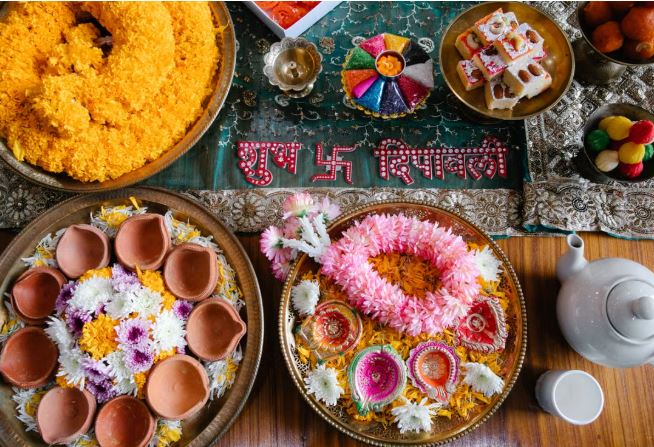
Pic Credit: Pexel
Diwali has always been a time for decorating homes, exchanging gifts and spending time with loved ones. Today, these familiar traditions are also creating opportunities for businesses across India. The Diwali decor and gifting business is evolving as consumers look for products that combine festive charm, personal meaning, convenience and value for money.
From traditional clay diyas and handmade torans to decorative lights, customised gift boxes and carefully arranged hampers, festive shopping has become more varied. Consumers are increasingly interested in products that reflect their personal taste, suit their budgets and make celebrations feel special.
For retailers, artisans, home-based entrepreneurs and small businesses, this shift offers an opportunity to reach customers with thoughtful products and distinctive designs. Success, however, depends on understanding what people want rather than simply offering more festive merchandise.
Sustainable Diwali Decor Gains Attention
Festive decoration remains an important part of Diwali preparations, but shoppers are becoming more conscious of the products they bring into their homes. Reusable, durable and locally made decorations can appeal to consumers who want to celebrate without creating unnecessary waste.
Clay diyas, fabric torans, wooden ornaments, paper decorations and natural floral arrangements offer alternatives to disposable plastic products. Reusable lanterns and energy-efficient LED lighting can also help households decorate their homes while managing electricity consumption.
For small businesses, sustainability does not need to mean expensive or complicated products. Simple designs, durable materials and minimal packaging can make festive goods more attractive to practical buyers.
The key is to offer products that are both appealing and useful. Customers are more likely to value sustainable decor when it fits their homes, lasts beyond one celebration or can be reused in the following year.
Personalised Gifts Make Celebrations More Meaningful
Gift-giving remains central to Diwali, but many customers now look beyond standard sweets and generic gift boxes. Personalised products allow people to express appreciation in a more individual way.
Customised candles, engraved keepsakes, name-printed accessories, handmade home decor and curated gift boxes can make presents feel more thoughtful. Businesses can also create options for different relationships, from family and friends to colleagues, customers and business partners.
Personalisation does not always require a large investment. A handwritten message, carefully selected colour scheme or simple customised label can make an ordinary gift feel more distinctive.
For entrepreneurs, the challenge is to balance creativity with timely delivery. Clear order deadlines, accurate product descriptions and reliable packaging are particularly important during the busy festive period.
Festive Gift Hampers Offer Room for Creativity
Gift hampers have become a versatile option for consumers who want to combine several products into one present. Depending on the recipient and budget, a hamper may include traditional sweets, dry fruits, teas, candles, artisanal snacks, decorative items or locally made products.
Small businesses can develop different combinations rather than relying on a single standard package. Affordable hampers can serve neighbours, friends and colleagues, while premium collections may suit family celebrations or corporate gifting.
Presentation matters, but value matters just as much. Customers should be able to understand what a hamper contains, how much it costs and whether the products suit the recipient.
Businesses can also offer reusable baskets, fabric packaging or recyclable boxes to appeal to shoppers who prefer less waste. Clear pricing and thoughtful product selection can help a well-designed hamper stand out without making it unnecessarily expensive.
Corporate Gifting Creates Opportunities for Small Businesses
Diwali is also an important period for workplace appreciation and business relationships. Companies often look for gifts for employees, clients, suppliers and other professional contacts.
This creates opportunities for businesses that can provide consistent quality, bulk quantities and dependable delivery. Locally sourced products, regional food specialties, handcrafted decor and customised gift boxes can help organisations choose gifts that feel more personal than standard merchandise.
However, corporate orders require careful planning. Businesses must calculate production costs, packaging expenses, delivery charges and applicable taxes before finalising prices. They also need to confirm quantities, branding requirements and delivery schedules well in advance.
For smaller suppliers, starting with manageable orders and building a reputation for reliability can be more valuable than accepting large orders that stretch their resources.
Local Artisans and Small Businesses Can Benefit
The festive season creates demand across a wide network of businesses, including potters, weavers, painters, confectioners, packaging suppliers, florists, retailers and delivery providers.
Buying from local makers can help customers discover distinctive products while supporting traditional skills and small-scale livelihoods. Handmade diyas, regional crafts, woven baskets and locally produced festive foods can bring a sense of place to Diwali celebrations.
Digital platforms and social media also allow small sellers to reach customers beyond their immediate neighbourhoods. Clear photographs, transparent pricing and prompt responses can help build trust, especially when customers cannot inspect products in person.
For many small businesses, the opportunity lies in combining local craftsmanship with modern customer expectations. Traditional products can find new audiences when they are presented well, priced fairly and made easy to order.
How Businesses Can Prepare for the Festive Rush
The Diwali season can bring a sharp increase in orders, but higher demand does not automatically translate into higher profits. Stock management, pricing and delivery planning all influence the final result.
Businesses should begin by identifying their main customer groups and selecting products that match their budgets and preferences. Ordering too much stock can leave sellers with unsold merchandise after the season, while inadequate inventory can result in missed sales.
A few practical steps can help businesses prepare:
-
Plan inventory carefully: Prioritise products with dependable demand and avoid overstocking seasonal designs.
-
Offer clear price options: Provide affordable, mid-range and premium choices where practical.
-
Calculate the full cost: Include materials, labour, packaging, delivery, platform fees and other operating expenses.
-
Set realistic deadlines: Communicate the last date for customised orders and bulk deliveries.
-
Present products clearly: Use accurate photographs, descriptions and pricing to help customers make informed decisions.
-
Keep packaging practical: Protect products during transport without adding unnecessary costs or waste.
-
Maintain customer communication: Confirm orders, share delivery timelines and respond promptly to concerns.
These measures can help businesses manage demand without compromising product quality or customer experience.
What Consumers Look for When Buying Diwali Gifts and Decor
For shoppers, the best festive purchase is not necessarily the most expensive one. A well-chosen gift or decoration can be meaningful, attractive and affordable at the same time.
Before buying, consumers can consider the recipient’s preferences, the usefulness of the product, its quality and the seller’s delivery terms. Comparing prices and checking what is included in a hamper can also prevent unexpected expenses.
For decorative items, durability and safe use deserve attention. Electrical lights should come from reliable sellers and be used according to the manufacturer’s instructions. For food gifts, buyers should check packaging, freshness and relevant product information.
Planning purchases early can offer more choice and reduce the pressure of last-minute shopping. It can also give customers more time to explore products from local artisans and smaller businesses.
The Business Outlook for Diwali Decor and Gifting
The Diwali decor and gifting market reflects a broader change in festive consumption. While traditional products remain important, customers are also exploring personalised gifts, contemporary home accessories, reusable decorations and curated hampers.
For businesses, this creates room for innovation without abandoning the cultural traditions that make the festival distinctive. A small seller can compete through thoughtful design, dependable service and a clear understanding of customer needs rather than relying solely on discounts or large inventories.
At the same time, seasonal demand requires financial discipline. Businesses that manage costs, plan production and maintain realistic delivery commitments are better positioned to turn festive sales into sustainable income.
Conclusion
The Diwali decor and gifting business brings together tradition, creativity and commercial opportunity. From neighbourhood shops and home-based entrepreneurs to established retailers and corporate gift suppliers, businesses can serve a wide range of customers by offering products that feel personal, useful and fairly priced.
As festive shopping habits evolve, the strongest opportunities may lie in combining familiar customs with thoughtful design, responsible packaging and reliable service. Ultimately, successful festive businesses do more than sell decorations and gifts. They help people express appreciation, prepare their homes and make celebrations more meaningful.
