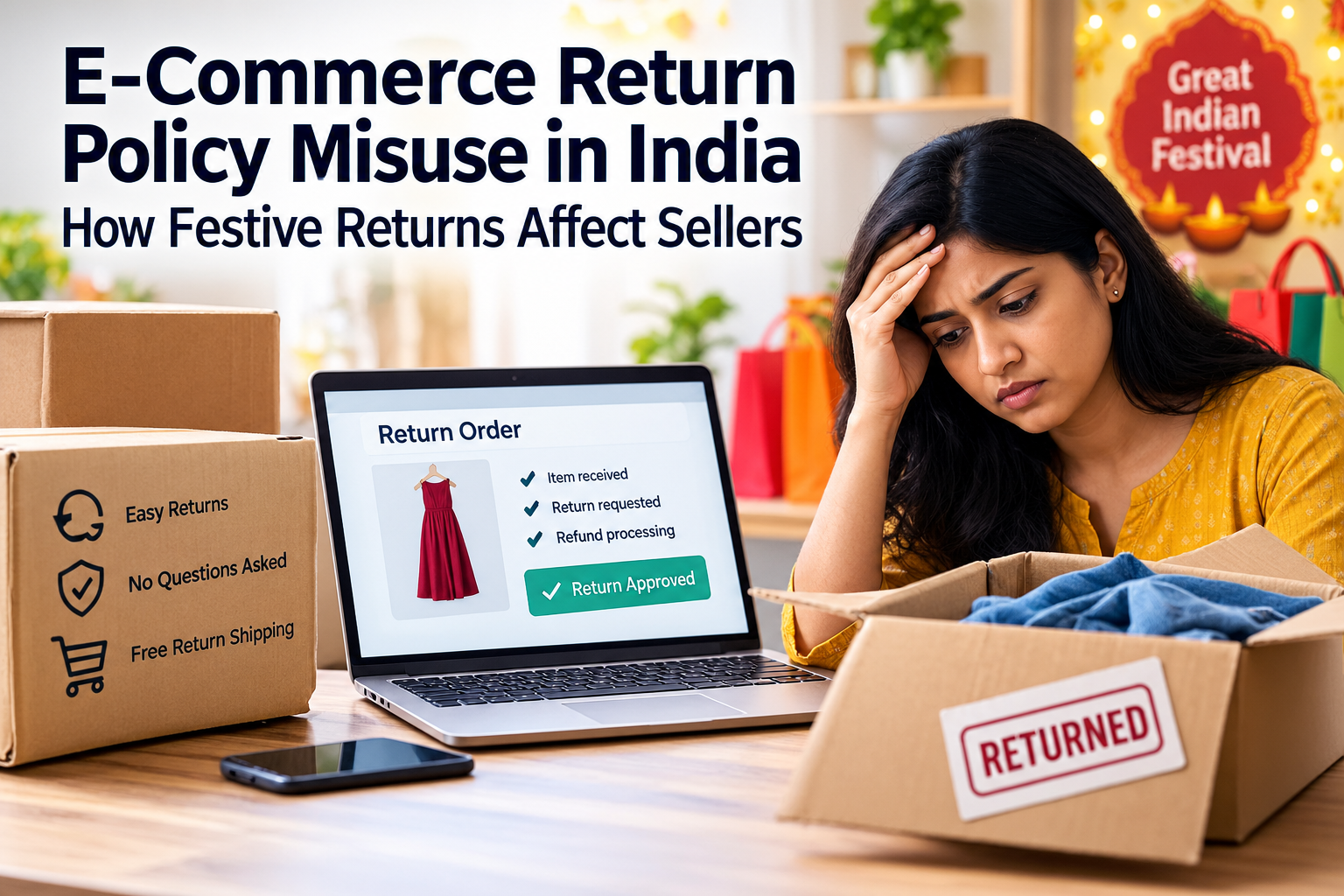
Oct 21: Online shopping has made it easier for consumers to explore products, compare prices and order clothing, electronics and everyday essentials from home. Flexible return policies have played an important role in building this confidence, allowing customers to seek refunds or replacements when products are defective, damaged or different from what they ordered.
However, a growing concern for online retailers is whether some shoppers are taking advantage of this convenience. From festive outfits allegedly worn for a single occasion before being returned to products sent back in unsaleable condition, suspected misuse can create costs for sellers, delivery partners and e-commerce platforms.
The issue is not whether customers should be allowed to return products. They should have fair options when a purchase goes wrong. The more important question is how the industry can distinguish legitimate returns from deliberate misuse without making online shopping less convenient for everyone.
Navratri Returns Bring Festive Shopping Practices into Focus
The debate gained attention during the 2026 Navratri and Dandiya season after a video circulating on social media reportedly showed a large collection of returned clothing parcels. Some viewers speculated that shoppers had purchased festive outfits, worn them for celebrations and subsequently returned them.
The video prompted discussion about the pressure that seasonal shopping can place on fashion retailers. However, it does not independently establish how many parcels involved misuse or confirm that the returned garments had been worn. The incident is best understood as an example of a wider concern rather than proof that such behaviour is widespread.
Festive occasions can create a particular challenge for online clothing sellers. Consumers often purchase traditional outfits, jewellery, footwear and accessories for weddings, Navratri celebrations and other events. When an item is returned after the occasion, its resale value may be affected if tags are missing, the packaging is damaged or the garment shows signs of use.
For a small seller working with limited inventory and tight margins, even a handful of unsaleable returns can reduce the earnings generated during an important sales period.
What Consumer Research Says About Online Returns
India’s festive e-commerce market also highlights why return policies need to balance customer convenience with business sustainability.
A LocalCircles survey published in 2025, based on more than 56,000 responses across 321 districts, examined consumer experiences with festive shopping and online purchases. According to the published findings, 24% of respondents reported returning 10–25% of their products, while 30% reported returning up to 10%. The remaining 46% said they had not returned products.
These findings offer context on consumer return behaviour, but they do not establish that the reported returns were fraudulent or intentional misuse. Customers may legitimately return products because of incorrect sizing, poor quality, damage during delivery or inaccurate product descriptions.
This distinction is essential. A high return rate is not, by itself, evidence of wrongdoing. For retailers and platforms, the challenge is to identify specific patterns of deliberate misuse while ensuring that genuine complaints continue to receive fair treatment.
The Hidden Cost of a Returned Product
A returned order often triggers a second journey through the supply chain. The parcel may need to be collected, transported to a warehouse, inspected, repackaged and processed before the product can be offered for sale again.
Each stage can involve additional handling and logistics costs. If the product is damaged or cannot be resold, the seller may also lose the revenue expected from that item. Even when the product remains saleable, the return process can delay its availability to another customer.
Fashion retailers face particular difficulties when returned garments have missing tags, stains, altered stitching or signs of wear. The item may require additional inspection or cleaning, and some products may no longer be suitable for sale as new.
For small and independent businesses, these costs can have a disproportionate impact. Unlike larger retailers, they may have limited capacity to absorb repeated losses or manage large volumes of returned inventory.
When Customer Convenience Becomes Misuse
Return policies are designed to resolve genuine problems, but deliberate misuse can undermine the system. Practices that retailers may need to investigate include:
-
Returning clothing after use: Purchasing an outfit for a specific occasion and sending it back after wearing it, particularly when the product is no longer in its original saleable condition.
-
Sending back damaged or different items: Returning a product that differs from the one delivered or has been damaged after the purchase.
-
Making repeated unsupported refund claims: Frequently reporting missing items or incomplete orders when the available evidence does not support the claims.
-
Exploiting policy gaps: Taking advantage of unclear return windows or product-condition requirements to obtain refunds unfairly.
These situations require careful assessment. A damaged item may have arrived that way, and a product that does not fit may be the result of inaccurate sizing information. Neither situation should automatically be treated as customer misconduct.
Platforms and sellers need evidence, consistent procedures and a fair opportunity for both sides to explain what happened before deciding whether a return or refund claim is valid.
Why Small Sellers Often Feel the Impact First
Small businesses can be particularly vulnerable to repeated return-related losses. Many independent sellers operate with limited working capital and depend on selling their inventory within a specific season.
When a festive garment comes back in unsaleable condition, the seller may lose both the original sale and the opportunity to sell that item to another customer. Processing the return also consumes time that could have been spent preparing orders or managing customer enquiries.
Repeated losses may force businesses to adjust prices, tighten return conditions where permitted or reduce the number of products they offer online. Such changes can affect customers who depend on return policies to shop with confidence.
A fair system must therefore recognise both sides of the transaction: consumers need protection when products fail to meet expectations, and sellers need reasonable safeguards against proven misuse.
Delivery Partners and Platforms Share the Responsibility
The effects of returns extend beyond the customer and the seller. Delivery partners may need to collect parcels and move them through reverse-logistics networks, while warehouse teams inspect products, update inventory and decide whether items can be resold.
Higher return volumes can add operational pressure, although not every return represents misuse. Incorrect orders, product defects, delivery damage and changing customer requirements also contribute to reverse logistics.
E-commerce platforms are well placed to improve the process through clearer policies, reliable tracking and consistent dispute resolution. They can also help sellers document the condition of goods before dispatch and after collection, making it easier to assess disagreements fairly.
The objective should be accountability across the supply chain rather than automatically placing responsibility on customers, sellers or delivery personnel.
What India’s Consumer Protection Framework Means for E-Commerce
India already has a consumer protection framework that applies to online commerce. The Consumer Protection (E-Commerce) Rules, 2020, operate alongside the Consumer Protection Act, 2019, and establish responsibilities for e-commerce entities and protections against unfair trade practices.
In September 2026, the government also announced amendments to the E-Commerce Rules intended to strengthen transparency and consumer protection. The amended rules are scheduled to take effect on January 1, 2027.
Separately, the Central Consumer Protection Authority has issued guidelines on dark patterns—deceptive online design practices that can manipulate consumer choices—and advised e-commerce platforms to audit their systems for such practices.
These measures underline the importance of fair and transparent online transactions. They should not, however, be interpreted as evidence that every disputed return constitutes fraud. Return disputes still need to be assessed on their individual facts, applicable policies and relevant law.
For businesses, clear return conditions and transparent refund procedures can reduce misunderstandings. For consumers, understanding the stated terms before purchasing can help prevent avoidable disputes.
How E-Commerce Platforms Can Prevent Misuse Fairly
Preventing deliberate misuse does not require making every return difficult. A better approach combines clear communication, reliable records and proportionate checks.
First, retailers should provide accurate product descriptions, photographs, size charts and material information. Better product information can reduce returns caused by mismatched expectations.
Second, sellers should be able to record the condition of items before dispatch and document returned products during inspection. Such records can help resolve disputes over missing tags, damaged packaging or discrepancies between the item sent and the item received.
Third, platforms can investigate unusual return patterns using risk-based checks. However, an automated flag should not be treated as proof of misconduct. Customers should be able to explain their circumstances, and sellers should have a clear process for challenging decisions.
Finally, return policies should be easy to understand before checkout. Any restrictions or product-condition requirements should be communicated clearly and applied consistently, without undermining legitimate consumer rights.
Building a More Accountable Online Shopping Experience
India’s e-commerce market depends on trust. Consumers need confidence that genuine complaints will be resolved, while businesses need protection from avoidable losses caused by deliberate misuse.
The discussion around festive clothing returns is a reminder that convenience works best when accompanied by responsibility. Customers should return products when there is a valid reason, sellers should deliver what they promise, and platforms should handle disputes transparently.
The long-term answer is not to make return policies unnecessarily restrictive. It is to make them clearer, fairer and more accountable. By combining accurate product information, reliable evidence and balanced dispute resolution, the e-commerce industry can protect genuine buyers while reducing unfair costs for the businesses that serve them.
