India,Oct 22: LS Digital, India’s Digital Business Transformation company, has released The State of Festive India, Decoded, a cultural intelligence study by Langoor, an LS digital Group company, and Quilt.AI. The study’s Navratri and Dusshera chapters reveal how consumers are continuing festive traditions while changing how they spend, shop and celebrate. Drawing on analyses across Delhi, Mumbai, Bengaluru and Hyderabad, the research highlights smaller gold purchases, budget-conscious festive fashion and a growing preference for community-led celebrations.
The study uses Quilt.AI’s Anthropologic research platform, combining discourse analysis of the preceding 12 months, including the 2025 festive season, with trends observed over the preceding six months, digital audience segmentation, cultural semiotics and futures analysis. It examines evolving festive consumer behaviour and identifies cultural shifts, alongside testable outlooks for the 2027 festive season.
Across Navratri and Dussehra, the research identifies a recurring behavioural pattern: consumers continue to value festive rituals while adapting the ways in which they participate. Spending decisions, purchase formats and celebration choices are shaped by budget constraints, convenience, community participation and regional customs. For brands, this points to an opportunity to move beyond assumptions of increased festive spending and understand the practical decisions consumers make to sustain their traditions.
One of the clearest examples is the compressed purchase, identified in the Dussehra analysis. The report notes that gold purchase volumes fell by 25% during the previous Dussehra in both Delhi and Mumbai, while purchase value in Delhi rose by 30–35%. Consumers are opting for five-gram gold coins instead of ornamental sets, choosing lightweight 14K–18K jewellery and exchanging old gold to fund new purchases. In Hyderabad, old gold is estimated to account for 50–60% of jewellery sales during the festive window. The findings suggest that while the tradition of buying gold remains important, consumers are becoming more flexible about the size and format of their purchases.
One of the key findings of the study is the gap between what gets written about festivals and what consumers actively search for online. In the report’s Delhi analysis for Dussehra, gold accounts for 67.1% of search interest compared with 0.5% of written coverage. The Navratri analysis identifies a similar gap around practical information, including daily colour guides, fasting essentials and ritual instructions. The report cites more than 12,000 monthly queries for “Navratri colors”; in Hyderabad, the colour-list theme accounts for 99.9% of search interest compared with 1.6% of written discourse. While festive coverage often focuses on broader cultural conversations, consumers are also searching for practical information that helps them participate in celebrations. For brands, this presents an opportunity to address these needs through relevant content and communication.
Affordability is also changing how consumers participate in Navratri celebrations. The report identifies outfit restyling as a prominent theme in Mumbai, accounting for 47.8% of search interest compared with 14.9% of written discourse. In Delhi, it highlights budget-conscious styling built around two or three pieces priced under ₹1,000 that can be restyled with accessories and dupattas. Rather than assuming that each night calls for a new outfit, the findings point to the importance of versatile, accessible choices that allow consumers to participate across multiple celebrations.
Beyond purchases, the study highlights the importance of home-led rituals and community-based celebrations. Its Dussehra audience analysis finds that 56% of identified audience segments are oriented towards home-based rituals and cooking, while the report also examines the role of neighbourhood Ramlilas and local celebrations. The Navratri analysis similarly highlights neighbourhood and housing-society garbas as alternatives to expensive, large-scale venues. For brands, this presents opportunities to engage consumers through practical festive guides, affordable offerings and support for local celebrations, rather than focusing only on large-scale events.
Looking ahead to the 2027 festive season, the study identifies potential opportunities for brands to align their strategies with evolving consumer behaviour. For jewellery brands, this includes positioning smaller gold purchase formats as meaningful festive purchases, rather than simply lower-priced alternatives, alongside digital gold and old-gold exchange options. Brands could also explore supporting neighbourhood celebrations, while retailers and publishers can address consumer needs through reliable, region-specific information on festive colours, rituals and preparations. These insights can help brands plan their festive campaigns around what consumers are actively looking for, rather than relying only on traditional festive advertising approaches.
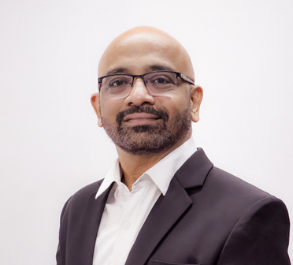
Speaking about the findings, Prasad Shejale, Founder & CEO, LS Digital, said,
“The real opportunity for brands this festive season lies in moving from occasion-led marketing to intent-led growth. Our research points to a fundamental distinction between the cultural significance of a purchase and its commercial format: consumers may remain committed to a tradition while fundamentally changing how they fulfil it. This requires brands to rethink how they approach demand, not just how they stimulate it. By connecting cultural intelligence with business strategy, brands can better understand where demand remains strong, how consumer preferences are changing and where new growth opportunities lie.”

Adding to the insights, Venugopal Ganganna, CEO – Tech and Innovation, LS Digital, said,
“When gold accounts for nearly two-thirds of search interest in Delhi but only half a percent of written coverage, it highlights a clear gap between what consumers are looking for and what is being discussed. Reading search behaviour, cultural context and AI-led analysis together helps us understand what consumers are trying to accomplish, not just what they engage with. This is how cultural intelligence can translate into more relevant media planning and investments that address unmet consumer needs.”
The study underscores the value of cultural intelligence in helping brands understand not only what consumers discuss, but also the questions they seek answers to and the choices they make. By combining consumer discourse, search behaviour and forward-looking analysis, The State of Festive India, Decoded provides a framework for developing more relevant, regionally informed festive strategies.
