Pic Credit: Pexel
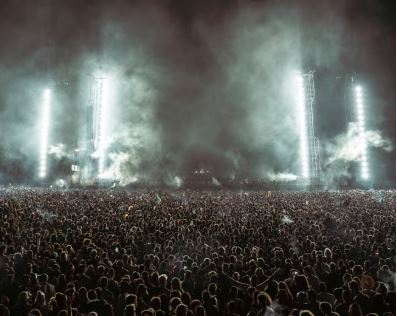
India’s live entertainment scene is growing as more people look for experiences they can enjoy beyond their screens. From music concerts and comedy shows to cultural festivals and sporting events, live entertainment is becoming an important part of how people spend their leisure time. Audiences are increasingly drawn to the excitement of being present, sharing moments with others and seeing their favourite performers in person.
This changing preference is creating new opportunities for the live events industry in India. Event organisers are finding ways to attract audiences through better experiences, while hotels, restaurants, transport providers and local businesses are benefiting from the activity these events generate. As demand grows, the industry is also learning that success depends on more than selling tickets. Good planning, reasonable pricing, safety and audience satisfaction are equally important.
Live Events Attract a Wider Audience
Live entertainment is no longer limited to a few large concerts or established festivals. Performances by regional artists, comedy shows, college events and cultural programmes are helping bring live experiences to a wider audience.
Social media and online ticketing have made it easier for people to discover upcoming events and make bookings. For organisers, these platforms offer a direct way to reach audiences, understand their interests and promote events beyond their immediate locations.
However, attracting attention online is only the first step. Organisers must deliver an experience that matches audience expectations while managing venue expenses, artist fees, equipment, staffing and promotion. Careful budgeting and realistic ticket pricing are essential to making events financially viable.
Premium Experiences Create New Revenue Opportunities
Many event organisers are exploring premium seating, exclusive lounges, hospitality packages and other additional services to improve the audience experience. These offerings appeal to customers who are willing to spend more for comfort, convenience and closer access to the event.
For businesses, premium services can generate additional income beyond standard ticket sales. Food and beverages, merchandise and brand partnerships can also contribute to revenue.
At the same time, organisers need to ensure that higher prices come with genuine benefits. Comfortable facilities, clear communication, easy entry and well-managed venues can make a meaningful difference to attendees. Affordable ticket options remain important for reaching a broader audience and sustaining long-term demand.
Concerts Bring Business to Local Markets
The impact of a major event often extends well beyond the venue. People travelling from other cities may need hotel rooms, transport, meals and other services, creating additional demand for local businesses.
Hotels, restaurants, taxi operators, retailers and tourism providers can all benefit when events attract visitors. This is creating opportunities for cities to combine entertainment with local tourism and encourage visitors to explore destinations beyond the event itself.
Smaller cities can also benefit from regional concerts and cultural festivals. With suitable venues, reliable transport and effective local coordination, these events can support artists, service providers and small businesses while bringing more visitors into the area.
Brands Are Investing in Live Experiences
Live events also offer businesses a way to connect with customers more personally. Instead of relying only on advertisements, brands can interact with audiences through product demonstrations, sampling, activity zones and event sponsorships.
For organisers, sponsorship can help cover production costs and reduce dependence on ticket revenue alone. For brands, live engagement creates opportunities to build awareness and understand customer preferences.
Successful partnerships depend on relevance. When brand activities complement the event and provide value to attendees, they can improve the overall experience. Poorly planned promotions, however, may distract from the performance and leave audiences disappointed.
Rising Costs Make Planning Essential
Despite the opportunities, organising live events can be expensive and demanding. Venue rentals, artist fees, sound and lighting equipment, security, insurance and marketing all add to the cost of putting on a successful show.
Finding suitable venues can also be difficult, particularly for large events that require strong transport links, adequate facilities and effective crowd management. Permissions, weather disruptions and last-minute operational problems can add further uncertainty.
For organisers, managing these risks requires realistic financial planning, experienced teams and clear arrangements with venues and service providers. Investment in better infrastructure and smoother coordination can help the industry expand while maintaining public safety.
Technology Is Changing the Audience Experience
Digital platforms have made event discovery and ticket booking more convenient. Organisers can use ticket sales and audience feedback to understand demand, plan promotions and make better decisions about future events.
Technology can also support digital entry, cashless payments and faster communication with attendees. Yet digital convenience must be matched by efficient arrangements at the venue. Long queues, confusing entry procedures and inadequate facilities can quickly affect the audience’s impression of an event.
The focus is therefore shifting towards the complete experience, from booking a ticket to travelling home after the performance.
A Promising Outlook for India’s Live Events Industry
The growth of live entertainment presents opportunities for event organisers, artists, hospitality companies, travel providers and local suppliers. It can also create work across production, sound and lighting, security, logistics, marketing and event management.
However, lasting growth will depend on delivering experiences that people consider worth their money. Organisers must balance premium offerings with affordability, manage costs carefully and maintain consistent standards of service and safety.
The future of the live events industry in India will depend on its ability to turn growing audience interest into meaningful, well-managed experiences. By combining creativity with sound business planning, the sector can strengthen its contribution to entertainment, tourism and local economic activity.
