Nov 21: Television has been an integral part of India’s entertainment landscape for decades. From bringing stories into millions of homes to creating shared viewing experiences across generations, the medium has influenced how audiences engage with entertainment. While viewing habits and platforms have evolved over the years, television continues to hold a distinctive place in the country’s cultural fabric.
Television has long shaped pop culture, turning film premieres into major viewing events and repeat broadcasts into generational favourites. Sony MAX has been central to many of these moments. From the record-breaking premiere of Baahubali 2: The Conclusion to Lagaan’s enduring place in Indian cinema and its continued resonance with television audiences, the channel has built lasting associations with iconic titles. Spanning the social satire of PK, the intensity of Kabir Singh, and the feel-good entertainment of Sitaare Zameen Par and Bhool Bhulaiyaa 2, this lineup reflects the diverse cinema television brings home, captivating audiences whether they are tuning in for the first time or the fiftieth.
As the medium adapts to changing preferences and an expanding entertainment ecosystem, its influence extends beyond what audiences watch to how they connect with stories and remember them. On World Television Day, we spoke to filmmakers about their experiences with television and its impact on the way entertainment is created, consumed and experienced in India.

Navjyot Bandiwadekar, Director and Producer
“From a filmmaker’s perspective, television has a special relationship with cinema. You may switch on the TV without planning to watch a film, catch a scene you love and before you know it, stay till the end. I’ve always enjoyed films like Lagaan, PK and Kantara when they come on. Even a film you’ve watched before can feel fresh when it finds you that way. Sony MAX has been a familiar part of this experience, bringing popular films into people’s homes and everyday routines. Television continues to help audiences discover films, revisit favourites and build a lasting connection with the stories they love.”
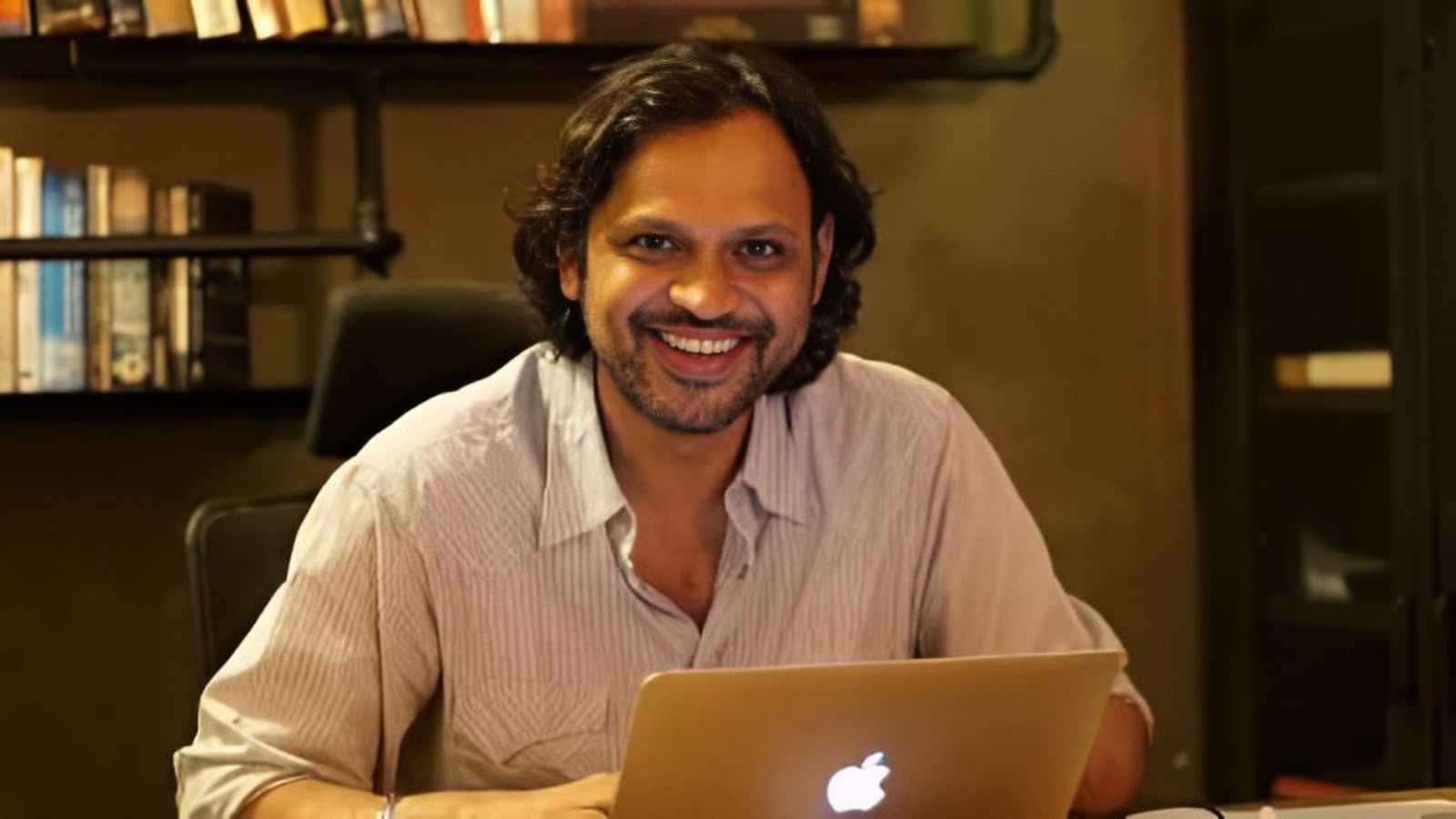
Robbie Grewal, Director
“Over the years, I have had people come up to me and discuss scenes from films that they have watched on television, be it PK or KGF: Chapter 1, amongst many others. Sometimes, they remember a particular moment or an emotion far more vividly than you would expect. As a filmmaker, those conversations are a reminder that a film’s relationship with its audience doesn’t end once it is released. Television has made this possible in a very interesting way. Sony MAX, for instance, has given several films a continued presence in people’s viewing habits. It is always gratifying to know that something you created years ago can still spark a conversation.”

Dhruv Tripathi, Director
“Growing up in a joint family, television was a big part of how we experienced cinema together. I remember watching a plethora of films on television. There were classics from before my time, films dubbed from different Indian languages, and familiar favourites we could never get enough of. Many of these memories are from lazy afternoons and school holidays, when watching films together became a ritual of its own. Television gave us the chance to revisit the same films time and again, until their characters, dialogues and moments became part of the household. In a way, stars like Amitabh Bachchan and Shah Rukh Khan were regular guests in our living room! There was a certain comfort in that familiarity, but also the excitement of stumbling upon something completely new. I think television gave countless films a life beyond their theatrical release, allowing them to find new audiences across generations. Even today, despite the many ways we consume entertainment, that ability to bring stories into people’s homes and make cinema a shared experience remains incredibly special.”
Beyond being a source of entertainment, television has helped create familiarity with stories, characters and performances, often turning them into lasting cultural memories. It has also widened access to diverse content, connecting audiences across geographies and generations. Channels such as Sony MAX have contributed to this evolving landscape, bringing popular films into households and making them a part of everyday entertainment. As formats and viewing preferences continue to change, television’s ability to create shared cultural experiences remains central to its enduring place in Indian homes.
