The new fitness goal may not be a six-pack or a faster 5K. It could be finishing a race that tests almost everything your body can do.
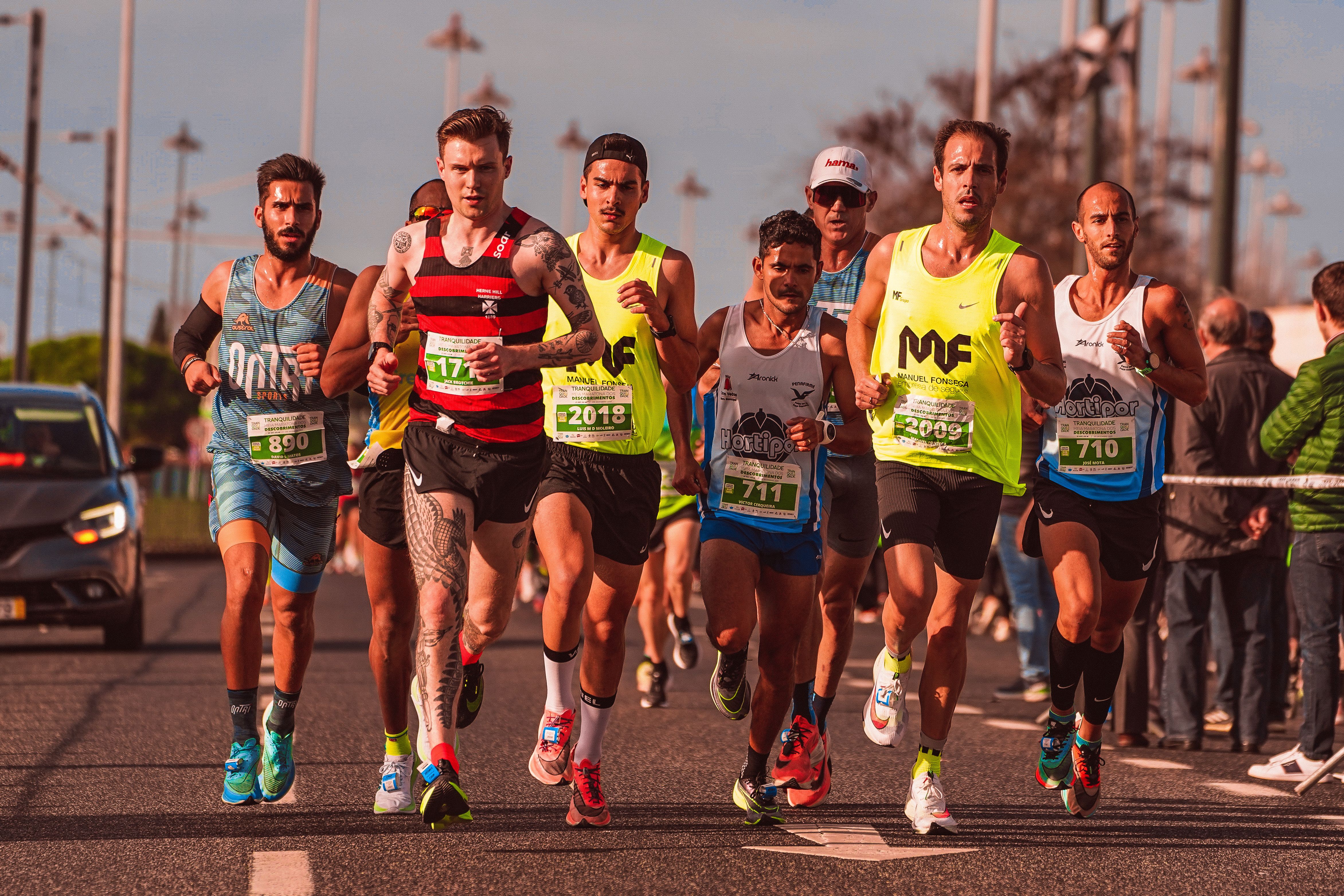
That idea is gaining traction through events such as HYROX and IRONMAN, where participants train not just to look fit but to perform under demanding conditions.
The two formats are very different. HYROX combines running with functional exercises, while IRONMAN brings swimming, cycling and running together in one endurance event.
But both reflect a bigger shift in fitness: people are increasingly measuring themselves by what their bodies can do.
From Looking Fit to Performing Fit
For years, fitness culture often focused on appearance — building muscle, losing weight or achieving a particular physique.
HYROX introduces a different target.
Participants complete eight 1-kilometre runs alongside eight functional workout stations, including sled pushes, sled pulls, rowing, farmers carries, lunges and wall balls.
IRONMAN operates on a much larger endurance scale, combining a 2.4-mile swim, 112-mile bike ride and 26.2-mile run.
Neither is simply about strength or cardiovascular fitness. Participants have to manage effort, fatigue and recovery while continuing to perform.
Why Hybrid Fitness Is Growing
The interest in these events is part of a much larger physical-activity economy.
The Global Wellness Institute’s 2025 Global Wellness Economy Monitor estimated that the global physical-activity market reached $1.14 trillion in 2024 and could grow to around $1.46 trillion by 2029.
The figure includes a broad range of activities, including fitness, sports and active recreation. It nevertheless highlights the scale of the market surrounding people’s increasing interest in physical activity.
Within that market, events such as HYROX can turn exercise into a specific, measurable goal.
You are not simply going to the gym.
You are training for something.
HYROX Tests the Ability to Switch Gears
One of the most distinctive aspects of HYROX is its repeated transition between running and functional movements.
An athlete runs a kilometre, completes a demanding station and then has to run again.
Strength alone is not enough. Running ability alone is not enough either.
The athlete has to combine both.
That makes pacing particularly important. Spending too much energy on one station can affect the next run, turning the race into a test of overall energy management.
IRONMAN Tests Long-Distance Endurance
IRONMAN represents a different kind of physical demand.
Swimming, cycling and running consecutively requires extensive preparation and the ability to manage prolonged exertion.
Training involves more than simply improving speed. Athletes have to develop endurance while paying attention to nutrition, hydration, pacing and recovery.
The challenge is not just completing three disciplines.
It is continuing to perform when the previous discipline has already contributed to fatigue.
The Race Can Become the Motivation
There is also evidence that races and events are becoming important fitness motivators.
Strava’s 2025 Year in Sport report found that Gen Z respondents were 75% more likely than Gen X respondents to say a race or event was their main motivation for exercise.
That points to a change in how some people approach training.
Instead of exercising without a specific target, they may choose an event and work backwards from the finish line.
The race creates a deadline.
The deadline creates a training plan.
And the training plan can turn exercise into a longer-term habit.
The Mental Challenge
Physical preparation is only one part of these events.
As fatigue builds, participants have to make decisions about pace and effort. Pushing too hard early can make the later stages considerably more demanding.
That makes discipline and pacing part of the performance.
For many participants, completing the event can therefore become a personal test of consistency as much as physical ability.
An Industry Built Around Performance
The rise of performance-focused events is also creating opportunities beyond the races themselves.
Training programmes, specialised gyms, coaching, running clubs, wearable technology, sports nutrition and recovery services can all become part of an athlete’s preparation.
This creates a wider ecosystem around the event.
The race may last hours.
But the business around preparing for it can begin months earlier.
Fitness Becomes an Experience
There is also a social element.
Participants can train with friends, join specialist communities and share progress through fitness platforms. The preparation itself becomes part of the experience.
That changes the role of fitness.
A gym session is no longer necessarily the final objective. It can be one step towards completing something measurable.
What HYROX and IRONMAN Say About Human Potential
HYROX and IRONMAN should not be viewed simply as two different versions of the same race.
HYROX tests repeated transitions between running and functional strength.
IRONMAN tests sustained performance across swimming, cycling and running.
But both point towards a broader definition of fitness.
The question is moving beyond “How fit do I look?”
It is becoming:
“What can I actually do?”
And perhaps that is the real appeal of these challenges. They give people a measurable way to discover how far training, discipline and consistency can take them.
Pic credit: Pexels
