• Bhubaneswar India
  • Contact+ 91-9938772605
  • Mon - Sat : 10:00AM - 6:00PM

Archive: August 16, 2026

India’s Steel Market Set for Expansion as Consumption Targets 192 MT by 2030

India’s Steel Market Set for Expansion as Consumption Targets 192 MT by 2030

Mumbai, August 16: India’s steel consumption is projected to rise to 192 million tonnes (MT) by 2030, up from around 149 MT in FY2024-25, reflecting an annual growth rate of about 6-7 per cent, according to a report by the Multi Commodity Exchange of India Ltd (MCX).

The outlook points to sustained growth in steel demand as infrastructure development, construction activity, manufacturing and the transition towards higher-value industrial products continue to reshape the domestic steel market.

The report, launched at the Global Commodity Conclave, said the next phase of India’s steel growth would not be driven merely by higher volumes. The industry is increasingly expected to focus on value-added steel, cleaner production technologies and effective management of price risks.

Construction and infrastructure currently account for around 59 per cent of India’s steel consumption. Their combined share is expected to increase to between 60 and 63 per cent by 2030, underscoring the importance of roads, railways, urban development, housing and other infrastructure projects to the country’s steel demand outlook.

The report estimates that India’s infrastructure project pipeline could generate an additional 25-30 MT of steel demand as bottlenecks related to logistics, financing and project execution are gradually addressed.

The broader government investment push is also supporting demand. The Ministry of Steel has projected India’s total steel demand at around 230 MT by FY2030-31, with building and construction and infrastructure identified as the principal growth engines.

While volume growth remains important, the report highlights an emerging opportunity for Indian steelmakers to move up the value chain.

India continues to import certain advanced and application-specific grades even as exports remain concentrated in comparatively lower-margin products. The government’s Production-Linked Incentive (PLI) scheme for specialty steel is intended to address this gap and encourage domestic production of higher-grade products.

According to the report, PLI 1.0-1.2 represents more than Rs 55,000 crore in committed investment.

Demand from sectors such as electric vehicles, renewable energy, capital goods and advanced manufacturing could create new opportunities for domestic steel producers. The shift means that competitiveness will increasingly depend on the ability to manufacture steel tailored to specific industrial applications rather than simply increasing tonnage.

Recent government data indicates that the domestic steel market has maintained strong momentum in 2026.

Finished steel consumption reached 14.33 MT in May 2026, registering a 9 per cent year-on-year increase. During April-May 2026, finished steel consumption stood at 27.36 MT, up 8.7 per cent compared with the corresponding period of the previous year.

The Ministry of Steel attributed the growth to sustained demand from construction, infrastructure and manufacturing sectors.

India’s total crude steelmaking capacity has also reached approximately 220 MT per annum in FY2025-26, keeping the sector on course towards the National Steel Policy target of 300 MT capacity by 2030-31.

The projected increase in steel consumption also brings a significant environmental challenge.

The MCX report estimates India’s steel industry emissions intensity at around 2.55 tonnes of carbon dioxide per tonne of crude steel, compared with approximately 1.4 tonnes in the US and 1.9 tonnes in the European Union.

The report expects the share of blast furnace-based production to increase from around 42 per cent to 56 per cent by 2030, making decarbonisation efforts increasingly important.

Steel producers are therefore looking at a combination of renewable energy, energy-efficiency measures, increased scrap utilisation, green hydrogen and carbon capture technologies to reduce the carbon intensity of production.

The expected increase in consumption is likely to drive further investment in steelmaking capacity, technology and downstream manufacturing.

The National Steel Policy envisages 300 MT of crude steel capacity and 255 MT of crude steel production by 2030-31, while also targeting higher domestic availability of high-grade automotive steel, electrical steel, specialty steels and strategic alloys.

For Indian steel companies, this creates a dual opportunity: expanding production to serve a growing domestic market while increasing the share of specialised, higher-margin products.

The trajectory also reinforces India’s position as a major growth market for steel at a time when demand in several developed economies remains comparatively subdued.

India’s projected rise to 192 MT of steel consumption by 2030 highlights the scale of opportunity emerging across the domestic metals and manufacturing ecosystem. However, the next stage of growth will depend on more than capacity expansion.

For steelmakers, the focus will increasingly be on product quality, cost competitiveness, supply-chain efficiency and carbon reduction. For downstream industries, rising domestic availability of specialised steel could strengthen local manufacturing and reduce dependence on imports.

With infrastructure spending, urbanisation and industrial investment continuing to support demand, India’s steel industry is entering a phase where both volume and value creation are expected to determine its long-term competitiveness.

Water Bill Relief Extended: Delhi Waives Late Payment Surcharge Till March 2027

New Delhi, August 16: The Delhi government has extended its 100 per cent Late Payment Surcharge (LPSC) waiver scheme on outstanding water bills until March 31, 2027, giving consumers additional time to clear their pending dues without paying the accumulated penalty.

Delhi Water Minister Parvesh Sahib Singh Verma announced the extension on Sunday, saying the initiative would provide relief to families and other consumers struggling with old water bill arrears. Under the extended arrangement, eligible consumers who pay the principal amount of their outstanding water bill can get the entire applicable LPSC waived.

The deadline was earlier set for August 15, 2026, but has now been extended by more than seven months. The move is aimed at encouraging consumers with long-pending bills to settle their accounts and at the same time helping the Delhi Jal Board (DJB) recover its outstanding principal dues.

Announcing the decision, Verma said old water bills had remained a source of financial stress for many families in Delhi and that the extension would provide consumers an opportunity to close their outstanding accounts without the additional burden of late-payment charges.

The minister urged consumers with pending water bills not to allow the outstanding amount to increase further and to use the extended window to settle their principal dues.

The LPSC waiver is particularly significant for consumers whose bills have accumulated over several years, as late-payment charges can substantially increase the total amount payable.

The extension also comes against the backdrop of the Delhi government’s efforts to improve revenue collection by the Delhi Jal Board and address the city’s long-standing water billing issues.

The government has previously stated that a substantial amount of money remains locked in outstanding water bills, with LPSC accounting for a significant portion of the accumulated liability. By waiving the surcharge while retaining the principal demand, the government is seeking to make settlement more attractive to consumers while improving actual collections.

According to figures cited by the Delhi government, more than 4.5 lakh domestic consumers and around 11,400 commercial consumers had already benefited from the LPSC waiver scheme.

The scheme was initially introduced in October 2025 primarily for domestic consumers. It was subsequently expanded to include commercial consumers, widening the potential beneficiary base.

The government had earlier extended the deadline from January 31, 2026, to August 15 after receiving requests from residents, public representatives and resident welfare associations. At that stage, the government reported that more than 3.3 lakh consumers had already taken advantage of the scheme, with approximately Rs 430 crore in principal dues collected and nearly Rs 1,494 crore in LPSC waived by January 29.

The latest extension is therefore being positioned as another opportunity for consumers who could not settle their bills within the earlier deadlines.

Delhi’s water billing system has faced persistent complaints over delayed billing, incorrect meter readings, estimated consumption and accumulated arrears. A Delhi Assembly review in 2024 noted that out of around 27 lakh water connections, approximately 10.6 lakh customers had pending arrears. The document also referred to concerns over inflated bills and the accumulation of late-payment charges.

The Delhi Jal Board has introduced various waiver and settlement schemes over the years to address accumulated arrears. Official DJB records show that earlier schemes included 100 per cent LPSC waivers for specified categories of consumers. A DJB budget document said more than 4 lakh consumers had benefited from an earlier waiver initiative, with rebates amounting to hundreds of crores of rupees.

For eligible consumers, the latest decision effectively provides a longer window to settle the principal water bill without the additional LPSC burden. However, consumers should verify their outstanding amount, eligibility and applicable conditions with the Delhi Jal Board before making payment.

The government is also expected to use the extended period to push consumers towards clearing long-standing dues and improve the overall efficiency of water-bill collection.

With the new deadline now fixed at March 31, 2027, the government has given Delhi’s water consumers substantially more time to resolve old liabilities while seeking to strengthen the financial position of the Delhi Jal Board.

Delhi Water Minister Parvesh Sahib Singh announced the extension on August 16, 2026; contemporary reports confirm the revised deadline and the 100 per cent LPSC waiver.

Sumitomo Chemicals India Sees Strong Profit Growth, Expands Product and Manufacturing Pipeline

New Delhi: Sumitomo Chemicals India Ltd reported a resilient performance in the first quarter of FY27, with profit after tax rising around 20 per cent year-on-year to Rs 214 crore, even as revenue remained broadly flat amid challenging monsoon conditions and weaker domestic demand.

The company reported revenue of Rs 1,063 crore for the quarter. EBITDA increased 6 per cent year-on-year to Rs 233 crore, while EBITDA margin improved to 21.9 per cent, supported by better gross margins and price hikes. Gross profit margin stood at 39.2 per cent, an improvement of around 110 basis points over the year-ago period.

The company’s performance was supported by strong growth in several businesses. Revenue from metal phosphates increased 26 per cent, while the Animal Nutrition and Environmental Health divisions grew 19 per cent. Exports also recorded strong momentum, rising around 26 per cent to Rs 170 crore. Domestic revenue, however, declined about 3 per cent to Rs 893 crore.

Sumitomo Chemicals India Sees Strong Profit Growth, Expands Product and Manufacturing Pipeline


Monsoon recovery could support agricultural business

The agricultural chemicals business faced pressure during the quarter due to the delayed southwest monsoon, rainfall deficit and lower kharif sowing during the early part of the season.

With the monsoon subsequently covering almost the entire country and the cumulative rainfall deficit narrowing to around 11 per cent in August, the outlook for sowing activity has improved. A recovery in agricultural activity could provide support to demand for the company’s crop protection portfolio.

The company has expanded its product portfolio with the launch of seven large products in FY26, including Lentigo, Excalia Max, Powerpull, Advika, Envoy and Oslava. Lentigo and Excalia Max have reportedly received a favourable market response and exceeded internal targets.

Further launches are in the pipeline, with Topgrain and Helibax expected during Q2FY27. The company also has three to four products from its parent company in the launch pipeline.

Greater focus on high-value manufacturing

Sumitomo Chemicals India is also expanding its role within the global operations of its Japanese parent, Sumitomo Chemical Company.

The Indian subsidiary has been elevated to the same tier as Japan, the US, Brazil and Europe for early-stage trials of new molecules. The development could strengthen the company’s role in the global product development and manufacturing chain.

The company is also evaluating opportunities in semiconductor chemicals in India through its operations.

A Rs 150-crore investment at the Dahej facility is progressing as planned. The facility will manufacture high-value patented molecules for the parent company, with commercialisation expected from Q2FY29.

The company has also approved investments in projects at Bhavnagar and Tarapur, which are aimed at meeting requirements of the parent company. Commissioning of these projects is targeted for Q4FY27.

Growth outlook

The company’s financial projections indicate continued growth over the next two financial years. Revenue is estimated to rise from Rs 3,238.3 crore in FY26 to Rs 3,556.7 crore in FY27 and Rs 4,007.2 crore in FY28.

EBITDA is projected to increase from Rs 670.9 crore in FY26 to Rs 800.3 crore in FY27 and Rs 921.7 crore in FY28. Adjusted profit after tax is estimated to rise from Rs 526.9 crore in FY26 to Rs 613.6 crore in FY27 and Rs 695.8 crore in FY28.

The company’s growth strategy is increasingly centred on new product launches, deeper engagement with its global parent, exports and investments in high-value manufacturing. These factors could strengthen its position within India’s agrochemical and specialty chemical sectors.

However, the business remains exposed to risks including weaker-than-expected adoption of new products and adverse weather conditions in domestic and international markets.

Market snapshot: The document cited Sumitomo Chemicals India’s market capitalisation at around Rs 26,774 crore, with a 52-week high of Rs 618 and low of Rs 363.

Disclaimer: This article is for informational and educational purposes only and is based on information available in the referenced company/research material. It should not be construed as investment advice, a recommendation, solicitation, or an offer to buy or sell any securities. Investors should conduct their own research, consider their financial objectives and risk tolerance, and consult a qualified financial adviser before making any investment decision. Stock market investments are subject to market risks, and past performance or projections do not guarantee future returns.

Children Add Patriotic Colours to 80th Independence Day Celebrations at Ashiana Anmol

Children Add Patriotic Colours to 80th Independence Day Celebrations at Ashiana Anmol


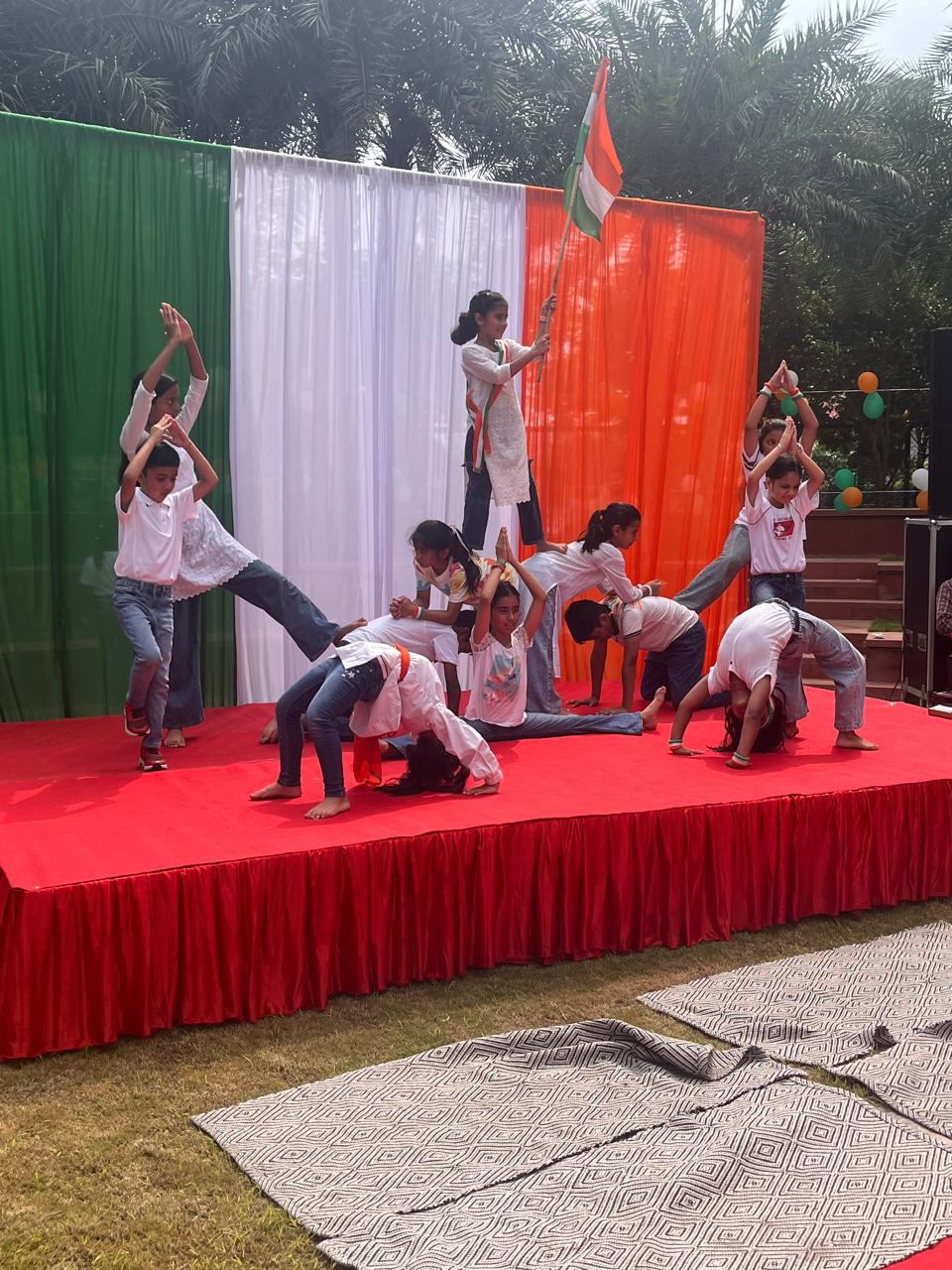
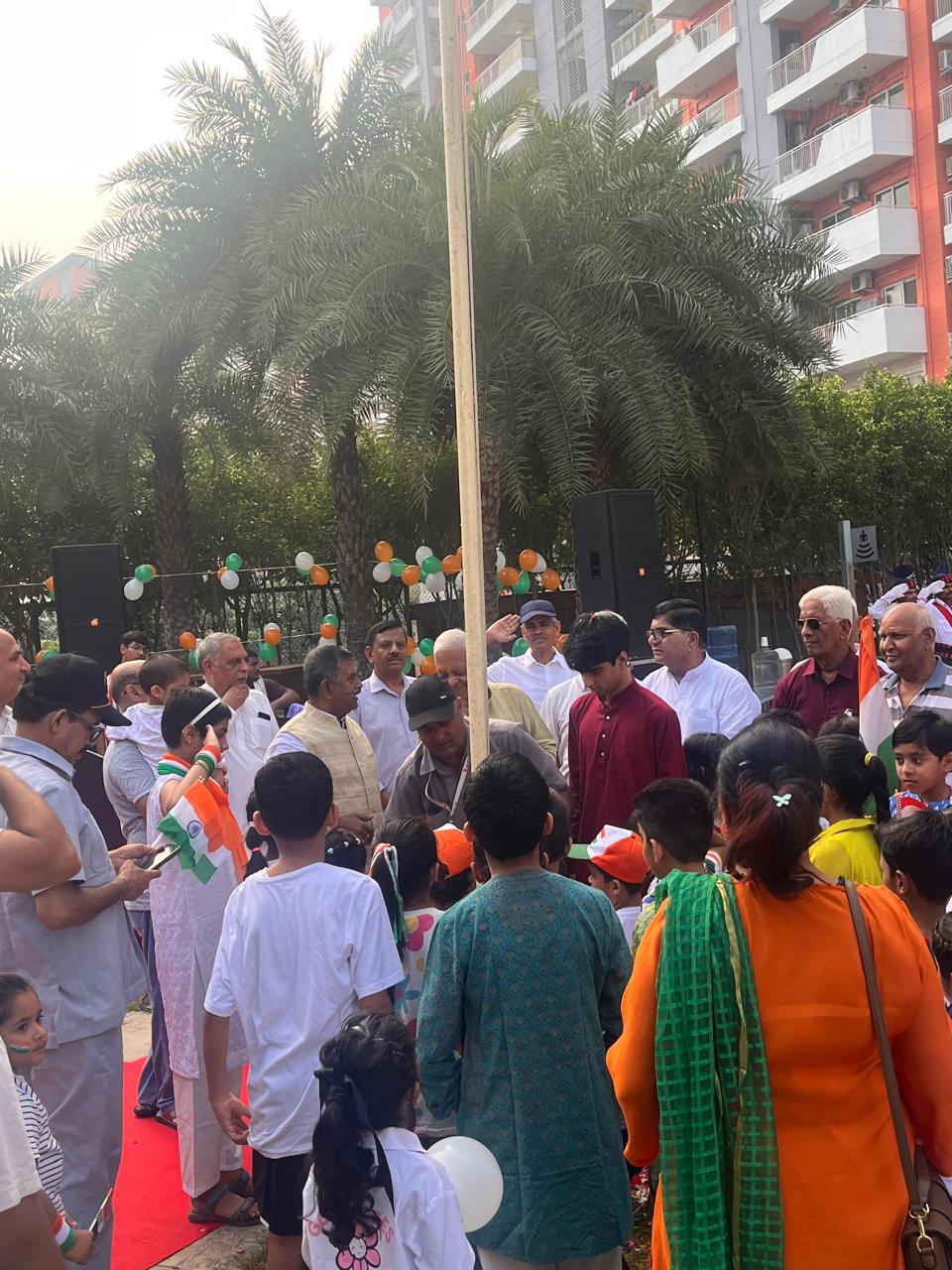
Gurugram, August 16, 2026: The 80th Independence Day was celebrated with great enthusiasm and patriotic spirit at Ashiana Anmol, located in Sector 33, Gurugram. The kid-centric residential community, designed with a focus on children’s needs and overall development, witnessed enthusiastic participation from young residents, who presented vibrant cultural performances and added a strong patriotic spirit to the celebrations.

The celebrations began with the unfurling of the National Flag, followed by a series of patriotic songs, dance performances and cultural presentations by the children. Through their performances, the young participants showcased India’s rich cultural heritage, diversity and their love and pride for the nation. Dressed in the colours of the Tricolour, the children added to the festive atmosphere across the community.

Children Add Patriotic Colours to 80th Independence Day Celebrations at Ashiana Anmol

The highlight of the celebrations was the series of cultural and theatrical performances presented by the children. Through their acts, they brought alive stories from India’s freedom struggle, the sacrifices of the nation’s bravehearts and the spirit of dedication towards the country. Their confidence, enthusiasm and creativity on stage were warmly appreciated by parents and residents, who cheered them with applause.

The celebration at Ashiana Anmol also reflected the importance of creating a residential environment where children have opportunities beyond academics and sports. Such community activities allow children to learn, express themselves, showcase their talents and actively participate in events that strengthen their sense of belonging and responsibility.The Independence Day celebration provided the young residents with an opportunity to understand the values of patriotism, unity and responsibility while expressing themselves through music, dance and creative performances.

Children, parents and residents participated enthusiastically in the celebrations, making the occasion memorable for the entire community. The event further strengthened the spirit of patriotism, unity and pride among the young residents of Ashiana Anmol.

The celebrations at Ashiana Anmol, Sector 33, Gurugram reinforced the belief that a child’s overall development goes beyond education and sports. Culture, creativity, community participation and a sense of responsibility towards the nation also play an important role in shaping confident, creative and responsible young individuals.

Union Minister Dr. Mansukh Mandaviya Interacts with MY Bharat-NSS Volunteers During Independence Day Celebrations

Union Minister Dr. Mansukh Mandaviya Interacts with MY Bharat-NSS Volunteers During Independence Day Celebrations

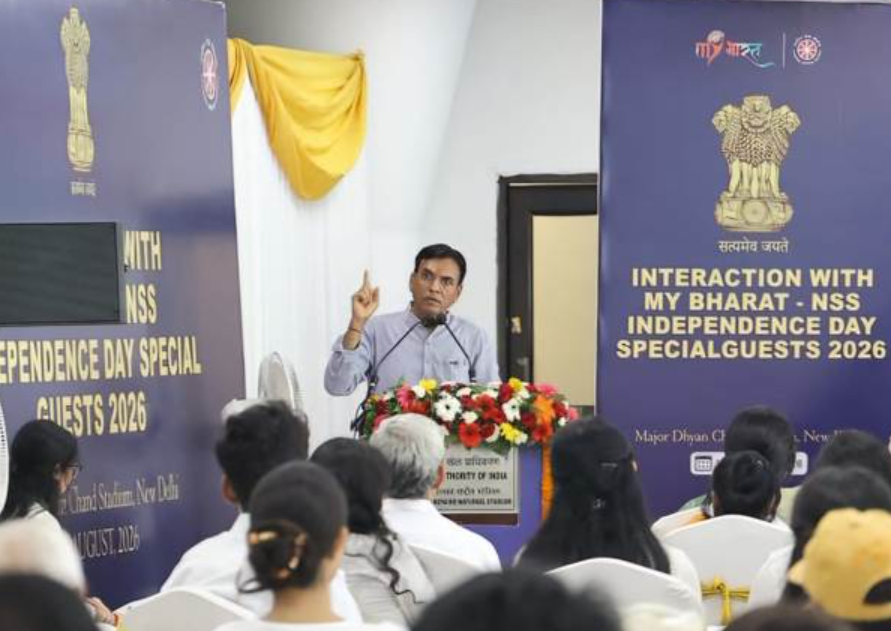
New Delhi: Union Minister for Youth Affairs and Sports Dr. Mansukh Mandaviya interacted with MY Bharat-NSS volunteers during the Independence Day celebrations at Major Dhyan Chand National Stadium in New Delhi, appreciating their participation and contribution to the national event.

The MY Bharat-NSS volunteers attended the Independence Day programme as special guests, giving them an opportunity to witness the celebrations and interact directly with the Union Minister.

During the interaction, Dr. Mandaviya appreciated the volunteers for their involvement in social service and urged them to continue contributing to nation-building and civic engagement. He said the energy, commitment and innovative ideas of young people would be crucial to achieving the vision of a Viksit Bharat and a developed, self-reliant India.

The interaction also allowed the volunteers to share their experiences, ideas and aspirations with the Minister. The engagement highlighted the importance of creating meaningful platforms for young people to participate in public life and take up leadership roles in community and nation-building initiatives.

Earlier in the day, MY Bharat-NSS volunteers and students from eight schools and educational institutions across Delhi participated in a large-scale human formation depicting ‘Vande Mataram’.

Around 500 students took part in the formation, presenting a display of patriotism, national unity and collective participation as part of the Independence Day celebrations.

The programme underlined the role of youth volunteers in national events while providing them with opportunities to engage in civic activities and contribute to the broader vision of youth-led nation building.

Government Unveils National Framework to Strengthen ITDAs and ITDPs

New framework focuses on institutional reform, convergence, digital governance and outcome-based monitoring for tribal development

Government Unveils National Framework to Strengthen ITDAs and ITDPs

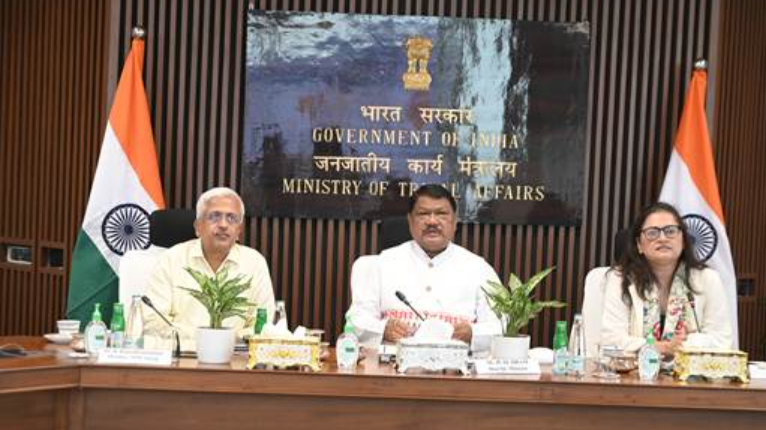
New Delhi: Union Minister for Tribal Affairs Shri Jual Oram and Dr. R. Balasubramaniam, Member, NITI Aayog, on Saturday jointly released the National Framework for Strengthening of ITDAs and ITDPs and the Operational Guidelines for Strengthening of ITDAs and ITDPs, marking a major step towards strengthening last-mile delivery of tribal development programmes across the country.

The two publications are the outcome of a comprehensive, consultative and evidence-based national exercise aimed at improving the functioning of Integrated Tribal Development Agencies and Projects (ITDAs/ITDPs), which serve as key field-level institutions connecting government programmes with tribal communities.

The release ceremony was attended by Secretary, Ministry of Tribal Affairs, Smt. Ranjana Chopra; Additional Secretary Shri Manish Thakur; and senior officials of the Ministry.

Speaking on the occasion, Shri Jual Oram said ITDAs and ITDPs have historically played an important role in translating government initiatives into outcomes for tribal communities. Their significance, he noted, has increased with the expansion of interventions under the Dharti Aaba Janjatiya Gram Utkarsh Abhiyan (DAJGUA) and PM-JANMAN.

Dr. R. Balasubramaniam said the principles of institutional ranking, real-time data-driven monitoring and convergence, which have helped improve outcomes in aspirational districts and blocks, have now been incorporated into the ITDA/ITDP reform architecture.

He said evidence-based administrative interventions can help transform regions that lag behind, and the new framework seeks to apply this approach to the tribal development ecosystem, with ITDAs serving as vehicles for achieving saturation of entitlements at the last mile.

The exercise was undertaken under the overall guidance of Secretary, Tribal Affairs, Smt. Ranjana Chopra, with a focus on moving beyond a uniform approach and developing context-specific and accountable field institutions.

The Ministry began the exercise in April 2026, covering 214 ITDAs/ITDPs across 17 States and Union Territories. The assessment involved Project Officers, State Tribal Welfare Departments and Tribal Research Institutes.

Unlike a desk-based assessment, the exercise incorporated State-level workshops, field visits and direct consultations with officials and institutions at the ground level. The process culminated in an Evidence-Weighted ITDA Diagnostic Scoring Framework, which assesses institutions across 15 parameters covering five institutional domains.

Structured consultation workshops were held across States and UTs during April and May 2026 under the leadership of Dr. Varnali Deka, Director, DAJGUA Division, and Shri Jafar Malik, Deputy Secretary, EMRS. The consultations enabled the Ministry to assess institutional capacity, identify challenges and document successful practices before validating the findings.

A major milestone in the exercise was the National Conclave on Strengthening of ITDAs and ITDPs, held at Vigyan Bhawan, New Delhi, on June 3, 2026, in the presence of President Droupadi Murmu.

The newly released National Framework sets out the assessment methodology and broader strategic direction for institutional strengthening. The Operational Guidelines, meanwhile, translate the recommendations into actionable measures covering institutional restructuring, convergence of schemes, evidence-based planning, digital governance, outcome-based monitoring and capacity building.

For the first time, States will have access to a common institutional assessment methodology through which individual ITDAs can identify gaps and prepare Performance Improvement Roadmaps tailored to their local requirements.

Shri Oram emphasised that the exercise should not be viewed merely as a mechanism for ranking institutions. Instead, its objective is to establish a culture of continuous institutional improvement.

He urged States to conduct State-level reviews involving all ITDA/ITDP Project Officers, prepare institution-specific action plans and introduce quarterly monitoring of institutional performance, drawing on the monitoring approach followed under the Aspirational Districts Programme and Aspirational Blocks Programme.

The Minister also called for measures to strengthen the ITDA/ITDP ecosystem, including improving fund-flow mechanisms and examining the possibility of directly transferring funds to ITDAs. He also stressed the need to increase technical manpower to improve project execution.

Regular meetings of Governing Councils, with active participation from Panchayati Raj Institution representatives and senior State leadership, were also recommended to strengthen convergence, accountability and implementation.

The two publications are expected to provide States with a structured roadmap for transforming ITDAs and ITDPs into more responsive, data-driven and outcome-oriented institutions capable of delivering tribal welfare and development programmes more effectively at the grassroots level.

Odisha CM Mohan Majhi Announces 20 Lakh Jobs in Five Years

Government Targets 3 Lakh Employment Opportunities Within Next 1–2 Years

Odisha CM Mohan Majhi Announces 20 Lakh Jobs in Five Years

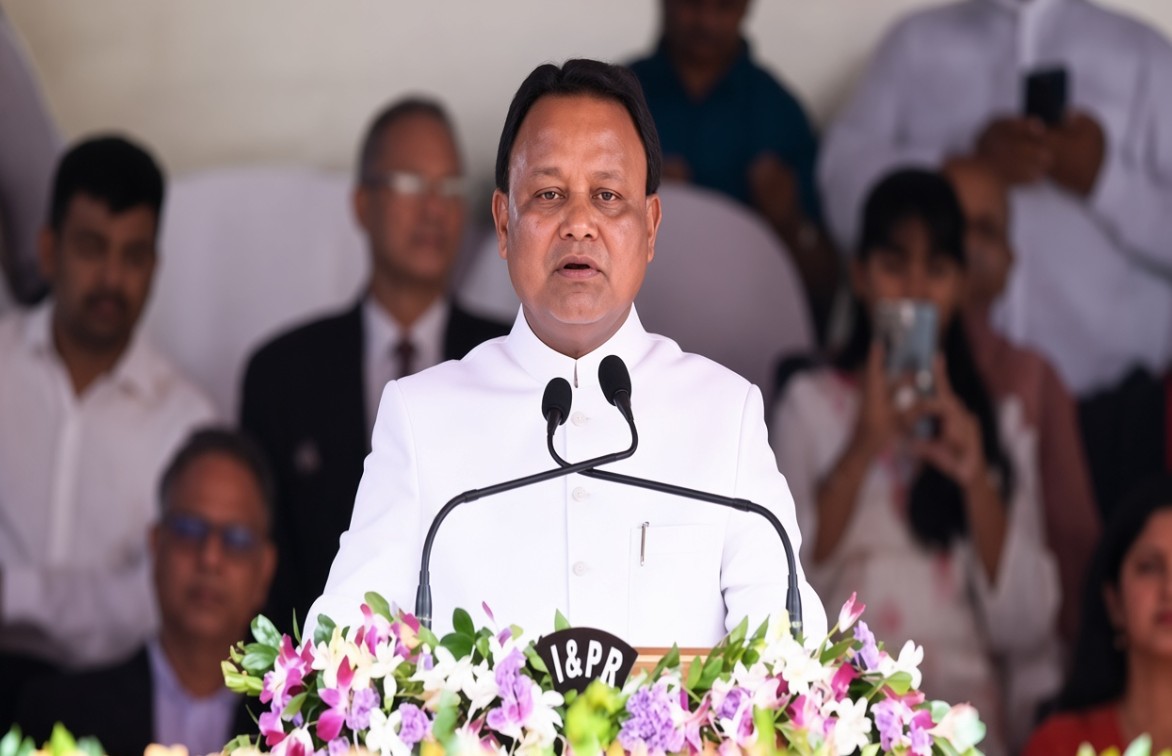
Bhubaneswar, Aug. 16 (UDN): Odisha Chief Minister Mohan Charan Majhi has set an ambitious employment target of creating 20 lakh job opportunities across the state over the next five years, with a strong focus on skill development, youth employability and expanding career opportunities across sectors.

Addressing the people on the occasion of India’s 80th Independence Day, Chief Minister Majhi said generating adequate employment for the state’s younger population remains one of the government’s key priorities.

3 Lakh Opportunities in 1–2 Years

The Chief Minister said the state government is working towards creating at least three lakh employment opportunities within the next one to two years. Over the following five years, the broader target is to generate 20 lakh attractive employment opportunities across various sectors.

The government plans to strengthen skill-development and training programmes so that young people can acquire industry-relevant skills and improve their chances of securing jobs in a rapidly changing employment market.

Major Relief for Government Job Aspirants

Alongside the employment push, Majhi announced important changes aimed at widening opportunities for candidates preparing for government examinations.

The six-attempt restriction for the Odisha Civil Services (OCS) examination has been removed. Eligible candidates will now be able to appear for the examination until they reach the prescribed upper age limit, subject to applicable rules and eligibility criteria.

The government has also raised the upper age limit for government jobs to 42 years, giving aspirants a longer opportunity window to compete for state government positions.

Focus on Skills and Employment

The announcements signal the Odisha government’s broader emphasis on creating employment opportunities while making the state’s youth more competitive in the job market.

With the combined focus on job creation, skill development, training and greater access to government recruitment, the government hopes to expand career prospects for thousands of young people across Odisha in the coming years.

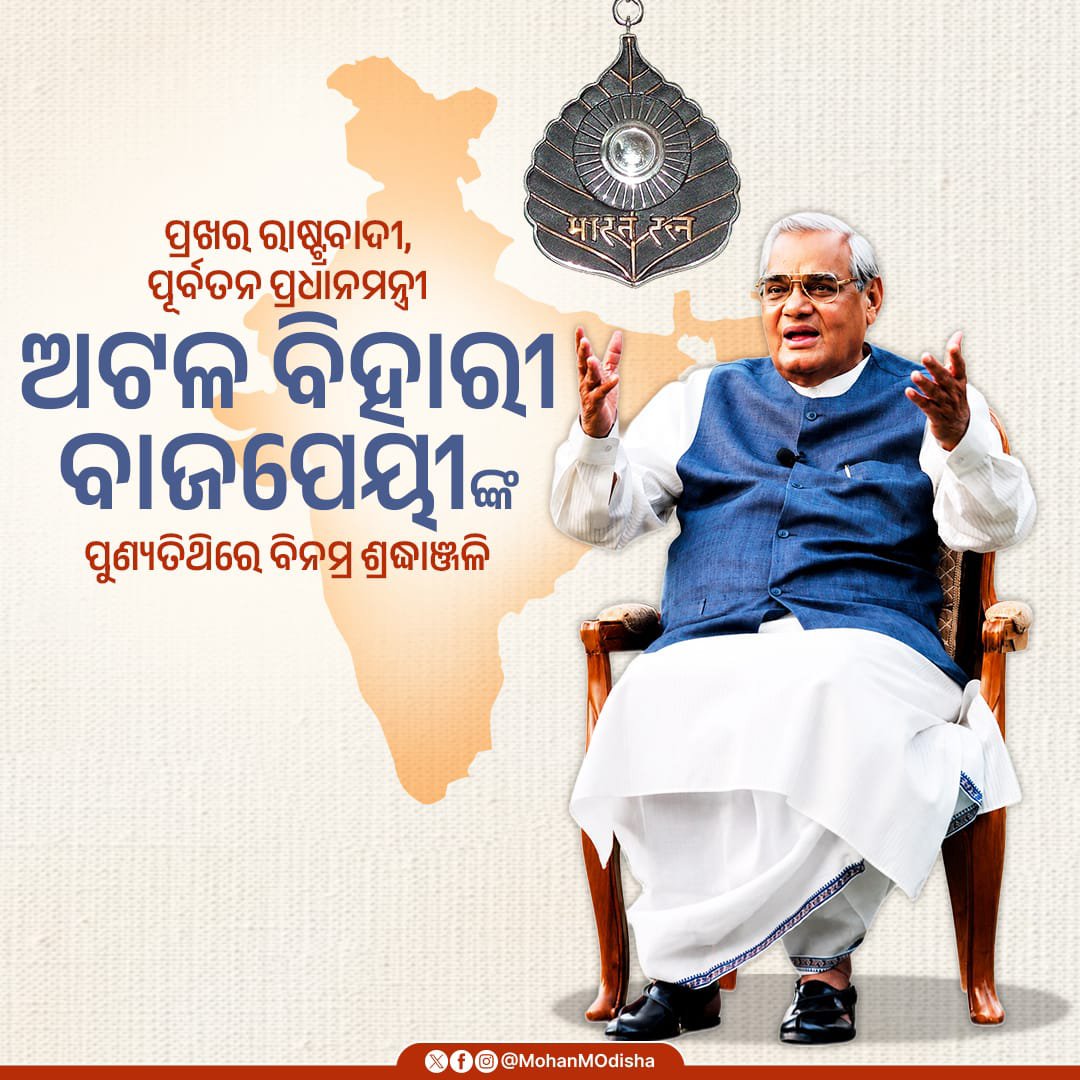
Tributes Paid to Former Prime Minister Atal Bihari Vajpayee on Death Anniversary

Bhubaneswar, Aug. 16 (UDN): Tributes were paid to former Prime Minister Atal Bihari Vajpayee on his death anniversary, remembering him as a distinguished nationalist, visionary statesman and exceptional orator who made significant contributions to India’s development and democratic traditions.

Tributes Paid to Former Prime Minister Atal Bihari Vajpayee on Death Anniversary

 Pic credit : x.com/MohanMOdisha

Vajpayee’s life and political legacy continue to inspire citizens across the country. His tenure in public life was marked by a strong emphasis on good governance, national development and India’s global stature.

His visionary outlook, unwavering faith in democratic values and commitment to inclusive development remain important chapters in India’s political history.

Vajpayee was also remembered for his exceptional dedication to public service and nation-building. His approach to politics and governance continues to be regarded as a source of inspiration for generations.

On the occasion, tributes highlighted his contribution to national unity, democratic values and the country’s development, with his ideals continuing to inspire the younger generation.

His enduring commitment to nation-building and public service remains deeply etched in the collective memory of the country.

Koraput Polytechnic Signs Two MoUs to Boost Industry-Ready Skills in Emerging Technologies

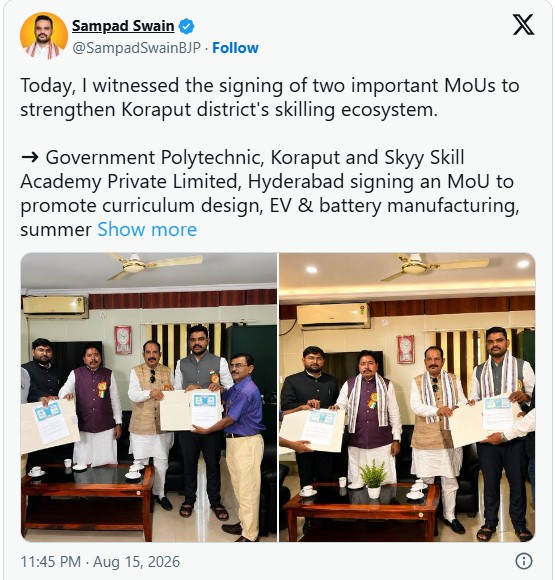
Koraput, Aug. 16 (UDN): The skilling ecosystem in Odisha’s Koraput district is set for a major boost with the signing of two Memoranda of Understanding (MoUs) aimed at strengthening technical education and equipping students with industry-relevant skills.

Koraput Polytechnic Signs Two MoUs to Boost Industry-Ready Skills in Emerging Technologies

Today, I witnessed the signing of two important MoUs to strengthen Koraput district’s skilling ecosystem. 

➜ Government Polytechnic, Koraput and Skyy Skill Academy Private Limited, Hyderabad signing an MoU to promote curriculum design, EV & battery manufacturing, summer… pic.twitter.com/6KXXu4TFWJ

— Sampad Swain (@SampadSwainBJP) August 15, 2026

The agreements were signed by Government Polytechnic, Koraput with two technology and skill-development organisations, focusing on emerging technologies, practical training, internships and improved employment opportunities.

Focus on EV and Battery Technology

Under the first MoU, Government Polytechnic, Koraput partnered with Skyy Skill Academy Private Limited, Hyderabad.

The collaboration will focus on areas such as curriculum development, electric vehicle (EV) technology, battery manufacturing, summer internships and short-term courses.

The partnership will also promote industry-oriented skill development and strengthen technical education by giving students greater exposure to technologies and practices used in the rapidly evolving EV and manufacturing sectors.

AI, Robotics and Industry 4.0

The second MoU was signed between Government Polytechnic, Koraput and Tech Communication Computer Academy Private Limited, Bhubaneswar.

The partnership will focus on developing student capabilities in Artificial Intelligence (AI), robotics, Industry 4.0, digital technologies and IT-enabled services.

Through specialised training and practical exposure, students are expected to gain a better understanding of emerging technologies and their applications across different industries.

Bridging Education and Industry

The two collaborations are aimed at narrowing the gap between classroom-based technical education and the changing requirements of industry.

The partnerships are expected to provide students with opportunities for hands-on learning, internships, research and exposure to emerging technologies, while helping them develop skills aligned with current and future employment needs.

With industry-oriented training becoming increasingly important in technical education, the MoUs could help students from Koraput build stronger professional capabilities and improve their prospects for employment in technology-driven sectors.